


⏲️ Estimated reading time: 6 min
Table of Contents
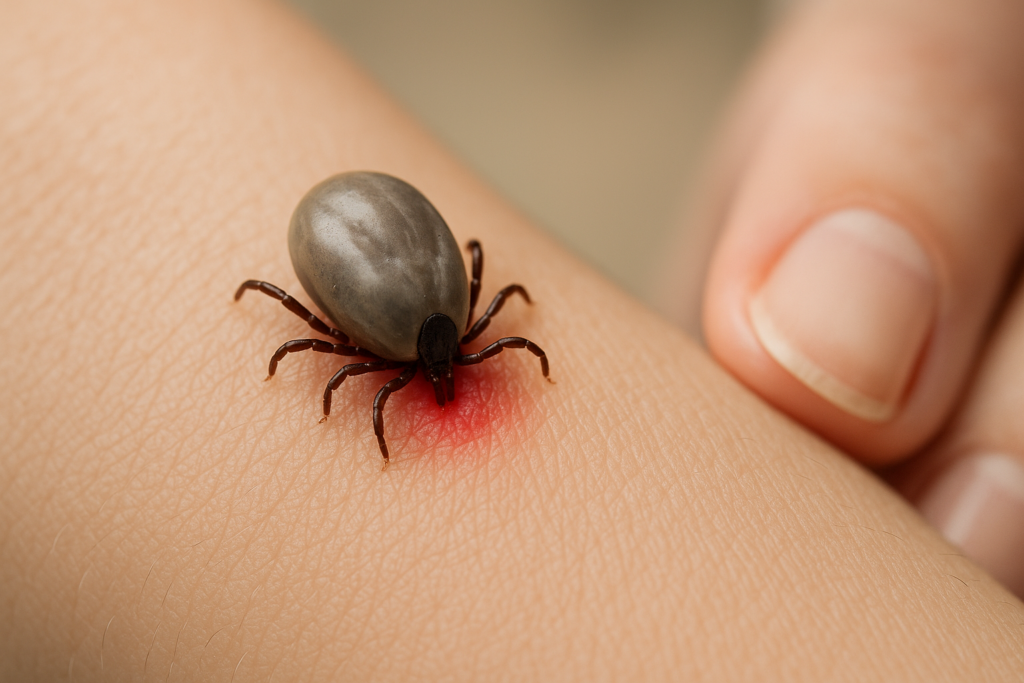
Small parasitic arachnids (Tick) that can cause serious health issues through their bites. Learn where ticks come from, what dangers tick bite pose, and how to remove one safely to avoid complications.
Small Bite, Big Problem
Ticks are more than just pesky little creatures they can pose real threats to your health and well-being. Every year, thousands of people are affected by tick bites, with many unaware of the proper precautions and responses required. This post will guide you through everything you need to know about ticks: what they are, where they come from, the dangers they pose, and what you should do before and after a bite.
What Is a Tick?
A tick is a small arachnid belonging to the order Ixodida. Unlike spiders, ticks are parasitic meaning they must feed on the blood of hosts such as mammals, birds, and sometimes reptiles. Ticks go through four life stages: egg, larva, nymph, and adult. To progress through each stage, a tick must feed on blood.
They do not jump or fly but rather wait in tall grasses or shrubs and latch onto hosts that brush past them. Their mouths are designed to pierce the skin and remain firmly attached while feeding, which can last several days.
Where Do Ticks Come From?
Ticks thrive in humid and wooded environments. You’ll typically find them in:
- Forested areas
- Tall grasses and shrubs
- Leaf piles or woodpiles
- Areas with a high population of wildlife such as deer or rodents
Ticks are particularly active in warm months (spring through fall), although some species can survive through mild winters. Suburban yards, parks, and even city gardens can also host ticks, especially if pets or wildlife frequent them.
How Bad Can a Tick Bite Be?
Tick bites may appear harmless at first a small bump or mild irritation but the hidden danger lies in disease transmission. Ticks are vectors for various illnesses, and their bite can be far more harmful than it seems.
Common Diseases Spread by Ticks:
- Lyme Disease: Caused by the Borrelia burgdorferi bacterium. Early symptoms include fever, fatigue, and a characteristic “bullseye” rash.
- Rocky Mountain Spotted Fever: A potentially fatal bacterial infection leading to fever, rash, and muscle pain.
- Anaplasmosis & Ehrlichiosis: Bacterial diseases with flu-like symptoms, often requiring immediate antibiotic treatment.
- Babesiosis: A parasitic infection affecting red blood cells.
- Tick Paralysis: Caused by toxins in tick saliva, leading to progressive muscle paralysis.
- Alpha-gal Syndrome: An allergic reaction to red meat triggered by a bite from the Lone Star tick.
The severity depends on the tick species, duration of attachment, and the host’s health. In some cases, complications can be life-threatening if not treated promptly.
What Should You Do Immediately After a Tick Bite?
The key to minimizing health risks lies in acting quickly and calmly. Here’s what to do if you discover a tick on your body:
- Stay Calm – Avoid squeezing or agitating the tick.
- Do Not Use Folk Remedies – Applying substances like petroleum jelly, alcohol, or heat to remove the tick may cause it to regurgitate infected fluids into your bloodstream.
- Remove the Tick Properly – Use fine-tipped tweezers (details below).
- Clean the Area – Wash the bite site and your hands with soap and water.
- Save the Tick – Place it in a sealed plastic bag or container with a damp paper towel. This can help medical professionals identify the species if symptoms develop.
- Monitor Your Health – Watch for fever, rash, joint pain, or flu-like symptoms over the next 30 days.
- Consult a Doctor – Especially if you can’t remove the tick entirely or experience any symptoms.
How to Properly Remove a Tick
Correct tick removal is critical in preventing the transmission of disease. Follow these steps using clean, fine-tipped tweezers:
- Grasp the Tick Close to the Skin
Place the tweezers as close to your skin’s surface as possible. Grab the tick by its head or mouthparts not the body. - Pull Upward Steadily
Apply gentle, even pressure. Do not twist, jerk, or crush the tick, as this may break its mouthparts or release harmful pathogens. - Check for Residual Parts
If any parts of the tick remain embedded, try removing them with tweezers. If you can’t, leave the area alone and let the skin heal naturally. - Clean Thoroughly
Wash the bite area with soap and water, iodine, or alcohol. - Dispose Safely or Preserve the Tick
You can flush the tick down the toilet, wrap it in tape, or save it for identification.
How to Prevent Tick Bites
While knowing how to deal with a bite is crucial, prevention remains the best strategy.
Protective Measures:
- Wear long sleeves and pants in wooded or grassy areas.
- Tuck pants into socks and shirts into pants to minimize exposed skin.
- Use tick repellents containing DEET, picaridin, or permethrin-treated clothing.
- Shower after outdoor activities and perform a full-body tick check.
- Examine pets regularly, especially after walks or play in tall grass.
- Keep yards tidy, removing leaf litter and trimming overgrown vegetation.
When to Seek Medical Attention
You should contact a healthcare professional if:
- You’re unsure if the tick was removed completely.
- A rash appears, especially a bullseye pattern.
- You develop flu-like symptoms within 2 to 4 weeks.
- The tick was attached for more than 24–48 hours.
- You live in or traveled to an area known for tick-borne diseases.
Your doctor may recommend a single dose of antibiotics as preventive treatment if Lyme disease is suspected.
Ticks may be small, but their impact can be huge if ignored. By understanding where they live, the risks they pose, and the proper removal techniques, you can protect yourself and your loved ones from potential health crises. Awareness, early detection, and prevention are your best allies in the fight against tick-borne illnesses.
📩 Do you have questions or suggestions? Leave a comment or contact us!
🏷️ Tags: tick bite, Lyme disease, remove a tick, tick dangers, insect bites, health tips, outdoor safety, tick prevention, disease symptoms, pet safety
📢 Hashtags: #TickBite #LymeDisease #HealthTips #InsectSafety #TickRemoval #PetSafety #OutdoorProtection #StayHealthy #TickPrevention #MedicalTips
Read also: Enemies Appear When You Rise
