


⏲️ Estimated reading time: 10 min
Table of Contents
Mickey Mouse Day, celebrated every year on November 18, marks the birthday of the world’s most beloved cartoon character. This article explores his history, cultural impact, emotional power and why Mickey still matters to children and adults everywhere today, globally.
Mickey Mouse Day
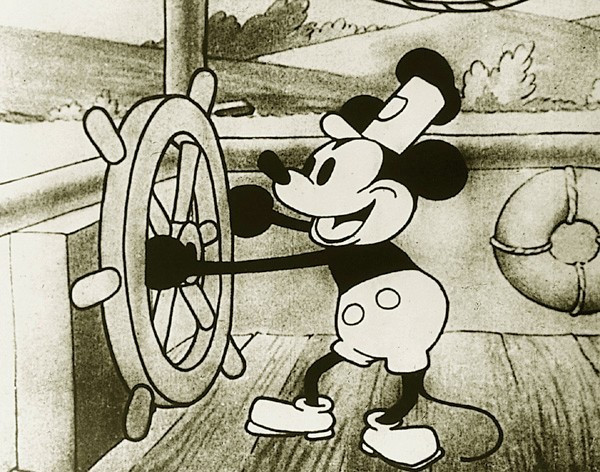
November 18 is not just another date on the calendar. For millions of people around the world – children and adults alike – it’s Mickey Mouse Day, the official anniversary of the character’s debut in the short film Steamboat Willie (November 18, 1928).
From that moment on, Mickey stopped being just a drawing and became the heart of The Walt Disney Company, a global icon and one of the most recognizable characters in entertainment history.
In this post, we explore in depth:
- how Mickey was created and how he evolved over the decades,
- why he became such a powerful cultural symbol,
- his influence on children and education,
- his role in the digital, streaming and gaming era,
- and why, almost a century later, Mickey Mouse Day is still worth celebrating.
The birth of Mickey Mouse
In 1928, Walt Disney was in trouble. His previous character, Oswald the Lucky Rabbit, had been lost because of contract issues. He needed something new, something original that would secure the future of his studio.
On a train ride back to California, he came up with the idea of a small, clever, optimistic mouse who would never give up, no matter what. That mouse would become Mickey.
The first short, Plane Crazy, never truly took off with audiences. The second, however – Steamboat Willie – changed everything. It was one of the very first cartoons with fully synchronized sound, and the impact was immediate. The audience loved it.
Mickey was born as a star.
Mickey Mouse through the decades
The 1920s – The rise of a phenomenon
At a time when films were transitioning from silent to sound, Mickey stood out thanks to perfect audio synchronization and expressive animation.
Even though his design was simple – round shapes, big eyes, exaggerated movements – people instantly connected with his energy and optimism.
Steamboat Willie, where Mickey appears as a playful steamboat pilot, is considered the true debut. It was fresh, funny and technically revolutionary for its time.
The 1930s – The Golden Age
The 1930s are considered the classic age of Mickey Mouse.
- He gets his white gloves,
- More expressive face and bigger eyes,
- A clearer, more polished personality.
Mickey becomes the star of dozens of shorts and the official face of Disney. In 1932, Walt Disney receives a special Academy Award (Oscar) for the creation of Mickey Mouse – a rare honor for an animated character.
The 1940s–1950s – Technical mastery
After World War II, Disney studios invest more in color, fluid animation and storytelling.
Mickey appears in:
- educational shorts,
- holiday specials,
- and, most famously, in Fantasia (1940) as the Sorcerer’s Apprentice – one of his most iconic roles.
He is no longer just a comic figure; he becomes part of visual and musical art.
The 1960s–1980s – Keeping the magic alive
During these decades, Disney goes through ups and downs artistically and financially, but Mickey remains the pillar of the brand.
He appears on television shows, educational programs and special events. While other characters may come and go, Mickey continues to embody the spirit of Disney and keeps the emotional bond with families strong.
The 1990s–2000s – A modern comeback
With shows like Mickey Mouse Works and House of Mouse, the character returns to the center of attention.
He moves into:
- digital animation,
- more dynamic stories,
- a faster, more modern style of humor.
But his core personality – kind, brave, optimistic – stays exactly the same.
The 2010s–2020s – Streaming and HD Mickey
Starting in 2013, Mickey appears in a new series of short episodes with a minimalist but highly creative visual style. These shorts reach huge audiences on TV, YouTube and later Disney+.
Series like The Wonderful World of Mickey Mouse introduce the character to a new generation, with fast-paced, humorous stories that still respect his legacy.
Cultural impact of Mickey Mouse
A symbol of childhood
For most people, Mickey is the face of childhood:
- joy,
- adventure,
- safety,
- simple but unforgettable moments.
He is often the first cartoon character that children recognize and love. Many associate him with happy evenings watching TV, favourite toys, pajamas with Mickey prints and the first time they ever went to a movie theater.
A global pop culture icon
Mickey is on the same recognition level as some of the biggest global brands. His face appears everywhere:
- on T-shirts, jackets and sneakers,
- toys, backpacks, lunchboxes,
- posters, home décor,
- and even on tattoos and art prints.
From streetwear to luxury fashion, from fan art to museum exhibits, Mickey has become a visual language of his own.
Ambassador of positive values
For decades, Mickey has been tied to values such as:
- friendship,
- loyalty,
- courage,
- optimism,
- kindness.
He is not a superhero with magical powers. He wins through creativity, intelligence and cooperation with his friends. That makes him easy to relate to – he feels human, even though he’s a mouse.
Mickey Mouse and children
Friendly design
Psychology studies show that children tend to feel safe and warm towards:
- large eyes,
- round shapes,
- bright expressions,
- a constant smile.
Mickey’s design is built exactly on these elements, which reduces anxiety and increases emotional attachment.
A behavioural role model
In most stories, Mickey:
- helps others,
- takes responsibility,
- apologizes when he makes mistakes,
- looks for peaceful solutions.
He teaches, without lecturing, that being kind and brave brings good results.
Reducing fear and anxiety
In some hospitals and pediatric clinics, Disney characters – including Mickey – are used in décor, videos or interactive screens to help children feel safer.
Seeing Mickey on the walls, on toys or on TV creates a familiar and comforting atmosphere, especially in difficult situations.
Mickey Mouse in education
Shows like Mickey Mouse Clubhouse are built specifically as educational tools, using play and interaction. Children are invited to:
- count objects,
- recognize shapes and colors,
- solve simple puzzles,
- think logically,
- sing and respond to Mickey’s questions.
In many countries, Disney also produced language-learning materials where Mickey helps children learn basic English words and phrases.
Disney parks and the role of Mickey
In every Disneyland around the world, Mickey is the undisputed star:
- he appears in daily parades,
- meets children for photos,
- leads night-time shows with music, lights and fireworks,
- stars in anniversary events and seasonal celebrations.
For many families, the first time their child meets a “real” Mickey in a Disney park is an emotional moment they never forget.
Mickey Mouse in the digital era
Mickey has smoothly adapted to:
- YouTube clips,
- Disney+ streaming,
- TikTok and Instagram snippets,
- digital stickers and emojis.
Short, vertical videos and meme-style content keep him relevant to younger audiences who consume entertainment in seconds, not minutes.
Mickey Mouse in video games
From early 8-bit titles to modern 3D adventures, Mickey has had a strong presence in gaming:
Famous titles include:
- Castle of Illusion,
- The Magical Quest,
- Epic Mickey,
- the Kingdom Hearts series (alongside Final Fantasy characters),
- Disney Illusion Island and more.
Through games, Mickey becomes interactive: players don’t just watch him; they control him, explore worlds and solve puzzles with him.
Mickey Mouse and the global economy
The image of Mickey generates billions of dollars every year via:
- licensing on clothing and toys,
- theme parks and merchandise,
- films, series and digital media,
- art collaborations and premium collections.
He is considered one of the most profitable characters in history, alongside Hello Kitty, Pokémon and others.
Comparative table – Mickey vs. other classic mascots
| Feature | Mickey Mouse | Bugs Bunny | SpongeBob SquarePants | Felix the Cat |
|---|---|---|---|---|
| First appearance | 1928 | 1940 | 1999 | 1919 |
| Main medium | Animated shorts, films | Animated shorts | TV series | Animated shorts |
| Typical genre | Adventure / Family | Satire / Comedy | Comedy / Fantasy | Comedy / Fantasy |
| Target audience | All ages | Teens & adults | Kids & family | All ages |
| Brand symbol role | Core Disney mascot | Looney Tunes icon | Nickelodeon icon | Classic cartoon icon |
| Theme park presence | Very strong (global parks) | Limited (Warner parks) | Some themed attractions | Minimal |
| Modern relevance | Very high | High | Very high | Nostalgic / niche |
Pros and Cons
Pros
- Iconic character with global recognition.
- Promotes positive values: friendship, courage, kindness.
- Extremely flexible: fits education, entertainment and marketing.
- Strong emotional connection with multiple generations.
- Universal humour, understandable without language.
- Pivotal role in the history of animation.
- Inspires artists, designers and animators worldwide.
- Rich universe of friends and stories.
- Works equally well in classic and modern formats (TV, cinema, streaming, games).
- A timeless symbol of creativity and imagination.
Cons
- Very intense commercialization in many industries.
- Some younger audiences may prefer more “edgy” or fast-paced characters.
- Disney’s strong cultural dominance can overshadow smaller creators.
- Very early cartoons sometimes contain outdated stereotypes (no longer representative today).
- Branding saturation – Mickey appears “everywhere” and can feel overused.
- The strength of the brand can sometimes overshadow the stories themselves.
- Some critics see him as a “too safe” character in a world asking for complexity.
November 18
- Mickey Mouse is not just a cartoon, but a cultural landmark.
- November 18 (Mickey Mouse Day) celebrates both his debut and a turning point in animation history.
- He has managed to connect with children, parents and grandparents alike, across nearly 100 years.
- Mickey shows that kindness, humour and creativity never go out of style.
- Even in the age of smartphones, streaming and VR, the simple shape of a mouse with round ears can still move people emotionally.
Nostalgia
In a world that changes faster every year, Mickey Mouse remains one of the few constants that bring joy, nostalgia and comfort. Whether someone discovers him for the first time on a tablet or rediscovers him after decades, the reaction is often the same: a smile.
On Mickey Mouse Day, we celebrate not only a fictional character, but also imagination, courage and the idea that a small drawing can change the world.
Frequently Asked Questions (FAQ)
What is Mickey Mouse Day?
Mickey Mouse Day is the official celebration of Mickey Mouse, held every year on November 18, the date Steamboat Willie premiered in 1928.
Who created Mickey Mouse?
Mickey Mouse was created by Walt Disney and Ub Iwerks in 1928, at a crucial moment in the history of Disney Studios.
Why is Mickey Mouse so popular?
Because he combines a friendly design, universal humour, positive values and a pioneering role in synchronized sound animation. He is simple, but deeply memorable.
How do people celebrate Mickey Mouse Day?
Fans celebrate by watching classic and modern Mickey cartoons, visiting Disney parks, wearing Mickey-themed clothes, sharing fan art and posting tributes on social media.
What impact does Mickey have on children?
Mickey helps reduce anxiety, encourages empathy, creativity and problem-solving, and offers a positive role model in a world full of complex messages.
🟦 Disclaimer and Source Hygiene
This article is intended for informational and cultural purposes only. It is based on publicly available information, historical materials about Disney and Mickey Mouse, interviews with animation historians and various open sources.
It is not an official document of The Walt Disney Company. For academic, legal or commercial use, readers should verify details using official Disney publications, licensed documentaries and specialist literature.
All brands and characters mentioned are the property of their respective owners. This text is an independent editorial and educational effort.
Read also: Coke Zero vs Regular Coke: What the Debate Reveals
🔔 For more tutorials like this, consider subscribing to our blog.
📩 Do you have questions or suggestions? Leave a comment or contact us!
🏷️ Tags: Mickey Mouse, Mickey Mouse Day, Disney, Walt Disney, Cartoon history, Animation icon, Disney parks, Pop culture, Kids entertainment, Classic cartoons
📢 Hashtags:
