


⏲️ Estimated reading time: 9 min
Table of Contents
Ear hair growth is usually a normal part of aging, often linked to genetics and shifts in hormone sensitivity. While it can feel annoying or embarrassing, it rarely signals a serious problem. Here’s what causes it, who gets it most, and safe ways to manage it.
Ear Hair Growth: What It Really Means (And What To Do)
Ear hair can feel like it appears overnight. One day you’re fine, and the next day you spot longer, darker strands near the ear canal or along the outer ear. Most of the time, it’s not a mystery illness. It’s biology doing what biology does as the years pass.
This article explains the real reasons ear hair grows, why it’s more common in men, what role hormones may play, and which grooming methods are safest. You’ll also learn when ear hair might be worth mentioning to a doctor.
What Ear Hair Is Supposed To Do
Ear hair is not “useless.” It serves a basic protective role.
Ear Hair Helps Filter Dust and Debris
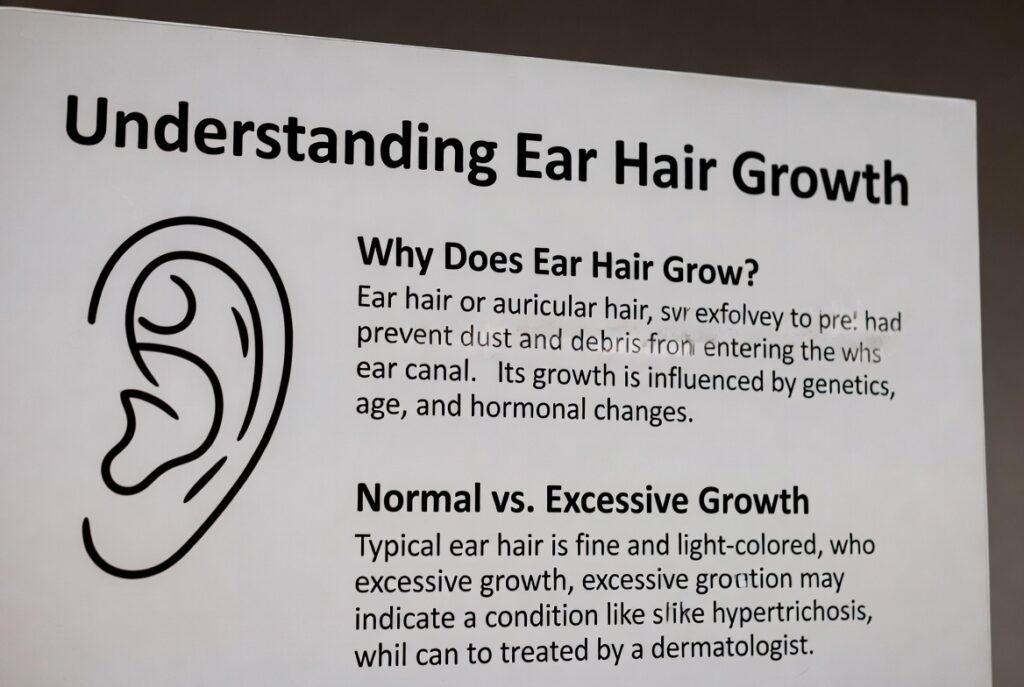
Tiny hairs near the ear canal can trap dust, pollen, and small particles before they go deeper. That’s part of your body’s natural filtering system.
Ear Hair Supports Earwax’s Protective Job
Earwax (cerumen) and fine hairs work together. Earwax catches debris, and hair helps slow down what tries to enter the canal.
Not All Ear Hair Is The Same
Some hair is “vellus” hair (soft, light, and short). Other hair is “terminal” hair (thicker, darker, and longer). With age, some areas can shift toward more terminal hair.
The “Did You Know” Claim: Is Ear Hair A Sign Your Body Is…?
You often see jokes like: “If hair grows on your ears, it’s because your body is…” followed by a punchline. The real answer is less dramatic.
The Most Accurate Explanation
Ear hair growth is commonly linked to:
- Aging
- Genetics
- Changes in hormone sensitivity (especially to androgens like testosterone)
It usually means your body is aging normally and responding to the same internal signals that affect hair patterns elsewhere.
Why The Change Feels Sudden
Hair growth cycles happen in phases. A follicle can stay quiet, then gradually start producing thicker hair over time. You might only notice once it becomes long enough to stand out.
Why Ear Hair Often Increases With Age
Aging affects skin, follicles, and the signals follicles respond to.
Follicles Can Become More “Active” In Certain Areas
With age, some hair follicles in places like the ears and nose can start producing stronger hair. At the same time, scalp hair may thin. That contrast makes ear hair feel even more noticeable.
Skin Texture and Elasticity Change Over Time
As skin changes, hair can sit differently. A hair that used to lie flat may begin to stick out more.
Grooming Habits Change Too
Many people stop looking closely at ear details until they catch a reflection or a photo. Awareness often comes later than the actual growth.
The Role of Hormones
Hormones matter, but not in a scary way.
Testosterone Isn’t Always “Higher”
Ear hair growth does not automatically mean you have “too much testosterone.” In many cases, it’s about how sensitive follicles are to androgens, not how much hormone you have.
DHT and Hair Pattern Changes
DHT (dihydrotestosterone) is an androgen made from testosterone. Some follicles react strongly to it. That reaction can lead to thicker hair growth in certain areas, while contributing to thinning hair on the scalp for some people.
Why Men Notice It More Often
Men tend to show more androgen-driven hair pattern changes over a lifetime. That’s why ear and nose hair growth is more commonly reported by men, especially later in life.
Genetics: The Biggest Piece People Ignore
If your father or grandfather had prominent ear hair, you may see a similar pattern.
Family Patterns Often Predict It
Hair distribution can be strongly hereditary. That includes where hair gets thicker with age.
Ethnic and Individual Variation Exists
Different populations can have different hair density tendencies. Even within the same family, one person may get more ear hair than another.
Ear Hair vs. Nose Hair: Why They Often Increase Together
People often notice nose hair and ear hair around the same time.
Similar Androgen Sensitivity
Both areas can respond similarly to hormonal signaling and aging.
Similar “Visibility Problem”
These hairs are small until they aren’t. Once they cross a certain length, they become easy to see.
Is Ear Hair Ever A Sign Of A Health Problem?
Usually, no. But there are a few cases where changes in body hair can be worth discussing.
When It’s Probably Just Normal
- It increases slowly over years
- It’s symmetrical or generally consistent
- You feel well otherwise
When You Should Mention It To A Doctor
- Sudden, dramatic hair changes across many areas
- New symptoms like unexplained fatigue, weight changes, or skin changes
- Signs of hormonal imbalance that affect daily life
Ear hair alone is rarely the “main clue,” but your overall health picture matters.
The Safest Ways To Remove or Manage Ear Hair
The goal is simple: look neat without injuring the skin or ear canal.
Trim, Don’t Pluck, For Most People
Trimming is usually safer than plucking because it reduces irritation risk.
Use A Dedicated Ear Hair Trimmer
Small electric trimmers made for ears can be effective and controlled. Use them on clean, dry skin and follow the device instructions.
You may also be interested in: Lightning Strike Kills Footballer During Thailand Cup Match
Scissors Can Work, With Caution
If you use small grooming scissors:
- Use good lighting
- Use a mirror you can position well
- Only trim hair you can clearly see
- Avoid going into the ear canal
Tweezing: Why It’s Riskier
Plucking can cause:
- Ingrown hairs
- Follicle irritation
- Small skin tears
- Higher infection risk
If you choose tweezing, do it sparingly and keep tools clean.
Waxing: Better Left To Professionals
Waxing around the outer ear is sometimes done, but it can irritate sensitive skin. It’s not ideal for everyone.
Laser Hair Reduction: A Long-Term Option
Laser treatment can reduce hair growth, but it’s a commitment and costs more. It’s typically best for visible outer-ear hair, not inside the canal.
What Not To Do
Bad habits create problems fast around the ear.
Don’t Put Sharp Tools Into Your Ear Canal
No blades. No deep trimming. No “digging.” The ear canal is delicate and injuries can be serious.
Don’t Use Hair Removal Cream Inside or Near The Canal
Depilatory creams can burn sensitive skin. The risk is not worth it.
Don’t Overdo It
Over-trimming can make hair look blunt and spiky. Light maintenance usually looks better than aggressive removal.
Quick Grooming Routine You Can Stick To
A simple routine avoids constant worry.
Weekly Check
Once a week:
- Check both ears in bright light
- Trim only what’s visible
- Wipe and clean trimmer head after use
Monthly Reset
Once a month:
- Replace or clean trimmer attachments
- Sanitize grooming tools
- Check for irritation or redness
Consistency beats perfection.
Confidence and Social Reality
A lot of people feel embarrassed about ear hair. You’re not alone.
It’s Extremely Common
Many adults develop more visible ear hair with age. Most people just don’t talk about it.
Small Maintenance Goes A Long Way
You don’t need to remove every strand. Keeping it neat is usually enough to feel confident.
Pro & Contra: Removing Ear Hair
It helps to think in tradeoffs.
Pros
- Cleaner appearance
- More confidence in photos and social situations
- Less distraction when grooming beard or hair
Cons
- Risk of irritation if you pluck or go too deep
- Over-trimming can look unnatural
- Frequent maintenance can become annoying if you chase “perfect”
Frequently Asked Questions
Is ear hair growth normal as you get older?
Yes. It’s often a normal aging change influenced by genetics and hormone sensitivity.
Does ear hair mean I have high testosterone?
Not necessarily. It’s usually about follicle sensitivity to androgens, not hormone levels being “too high.”
Why do some men get ear hair but others don’t?
Genetics plays a major role. Age and individual hormone response also matter.
Is it safe to pluck ear hair?
Plucking can cause irritation or infection, especially if done often. Trimming is usually safer.
Can ear hair removal cause infections?
Yes, if you injure the skin or introduce bacteria with unclean tools. Keep tools clean and avoid deep trimming.
What is the best method for removing ear hair?
For most people, a small electric ear trimmer is the easiest and safest option.
Should I remove hair inside the ear canal?
It’s better to avoid going inside the canal. Only trim hair you can see clearly from the outside.
Can laser remove ear hair permanently?
Laser can reduce growth long-term, but “permanent” varies. It works best on visible outer-ear hair.
Does ear hair grow back thicker after trimming?
No. Trimming doesn’t change thickness, but blunt ends can feel stiffer as it grows out.
When should I talk to a doctor about hair changes?
If hair changes are sudden and come with other symptoms, it’s worth discussing with a healthcare professional.
Key Takeaways You’ll Actually Use
Ear hair growth is usually normal and common with age. Hormone sensitivity and genetics explain most cases. Trimming is safer than plucking for many people. Avoid tools inside the ear canal, and keep grooming equipment clean. If changes feel sudden and unusual, consider medical advice.
🟦 Disclaimer and Source Hygiene
This article is for educational purposes and does not replace medical advice. If you have concerns about sudden body changes, irritation, infections, or hormonal issues, consult a qualified healthcare professional. Information here is based on general medical knowledge and research commonly found in authoritative health references.
🔔 For more tutorials like this, consider subscribing to our blog.
📩 Do you have questions or suggestions? Leave a comment or contact us!
🏷️ Tags: ear hair growth, ear hair removal, aging and hair changes, testosterone and hair, DHT and hair, men grooming tips, hygiene routine, electric ear trimmer, body hair patterns, hormonal sensitivity
📢 Hashtags: #EarHair #MensGrooming #AgingGracefully #GroomingTips #SelfCare #Hygiene #HairHealth #HealthyAging #BeardAndGrooming #Confidence
📚 Sources and References
Dermatology and trichology guidelines on hair types (vellus vs. terminal)
General medical resources on androgens, DHT, and hair changes with age
Educational materials for personal care and hygiene (safe grooming)
🕊️ Secondary Sources and Testimonials
General safety recommendations for preventing irritations and infections
Common observations from grooming and personal care practices
User-reported experiences (without diagnostic value)
