


⏲️ Estimated reading time: 4 min
Table of Contents
9 Beautiful Songbirds in Photos: From Amethyst-Throated Hummingbird to Yellow Warbler. Discover nine stunning birds in the exact order of their photos: Amethyst-Throated Hummingbird, Bluethroat, House Finch, Icterine Warbler, Black Cardinal, Indigo Bunting, Common Cuckoo, European Robin, and Yellow Warbler. Learn about habitats, feeding, songs, migration, and their ecological roles.
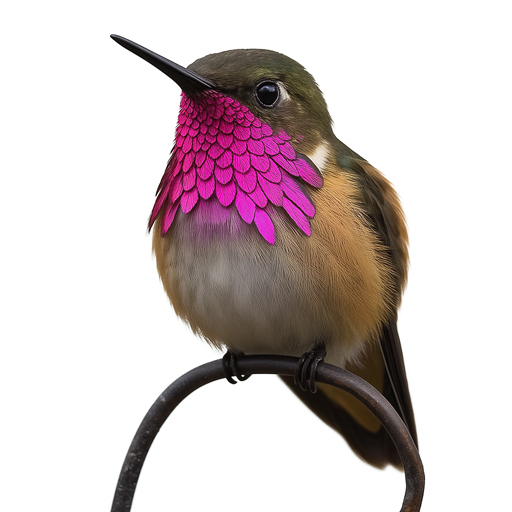
1) Amethyst-Throated Hummingbird
Quick ID: tiny male with violet-pink iridescent throat, olive-green back, and straight slender bill.
Size: 8–10 cm, 3–5 g.
Habitat & range: tropical forests and gardens of South America.
Diet: nectar from tubular flowers (excellent pollinator) plus tiny insects.
Behavior: hovers in place with 50–80 wingbeats per second, can fly backward or hover. Iridescence appears only when the light hits at the right angle.
Why important: a key pollinator linking ecosystems. In gardens, planting sage, penstemon, and columbine helps attract them.
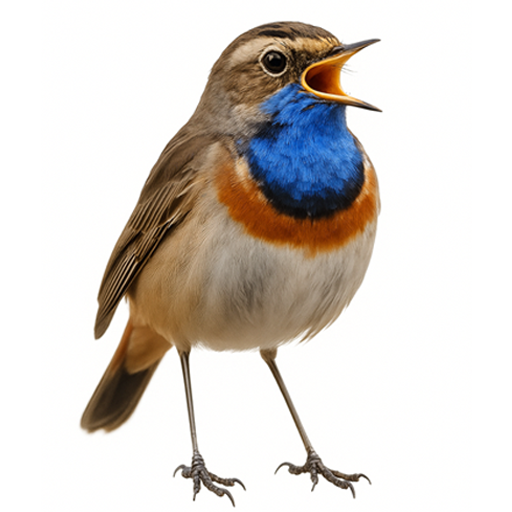
2) Bluethroat (Luscinia svecica)
ID: male with bright blue bib bordered by white and orange; female is duller.
Habitat: willow thickets, reedbeds, wetlands, and shrub valleys from Europe to Asia; winters in Africa and South Asia.
Song: rich, varied, full of mimicry.
Diet: insects, larvae, spiders; fruits during migration.
Note: males display bib flashing during territorial fights.
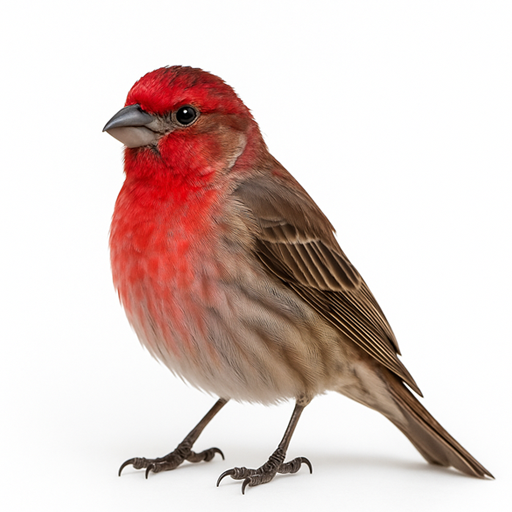
3) House Finch (Haemorhous mexicanus)
ID: male with red head and chest (hue varies by diet), brown streaked back; female streaky brown.
Habitat: adaptable deserts, canyons, suburbs, cities.
Diet: seeds, buds, fruits, insects.
Song: cheerful rolling warbles.
Curiosity: carotenoids in diet create the red tones; brighter males are healthier.
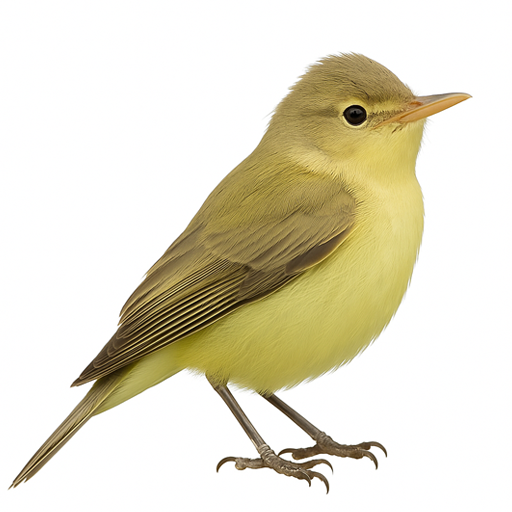
4) Icterine Warbler (Hippolais icterina)
ID: yellow-green underparts, olive back, slightly orange slender bill.
Habitat: orchards, parks, shrubby woods in Europe; winters in Africa.
Song: fast cascading phrases with imitations.
Diet: insects, spiders; soft fruits in autumn.
Field tip: looks yellower than similar species, often moves energetically in branches.
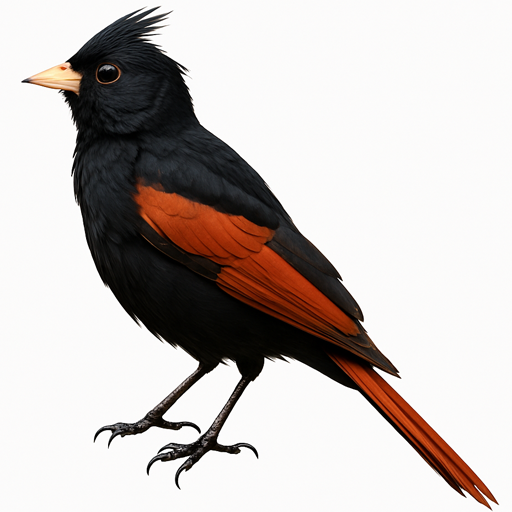
5) Black Cardinal (red-winged black cardinal-like bird)
ID: glossy black plumage with brick-red wings and tail, short crest, pale bill.
Habitat: tropical/subtropical forests and shrubs.
Diet: seeds, fruits, insects.
Song: strong repeated whistles.
Role: seed disperser and insect controller.
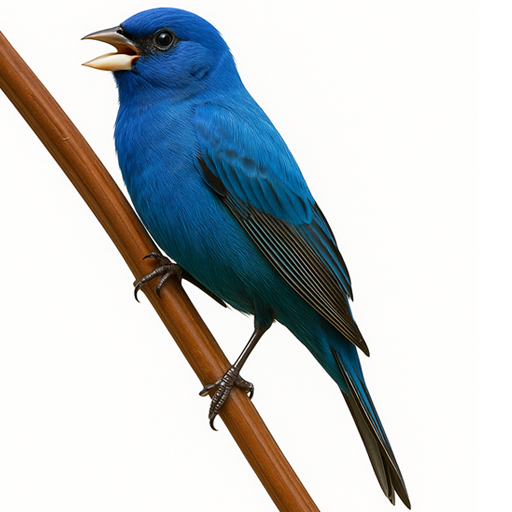
6) Indigo Bunting (Passerina cyanea)
ID: male electric blue (structural coloration, not pigment); female brown.
Habitat: forest edges, thickets, farmlands of eastern North America; winters in Central America.
Song: paired phrases repeated; each male learns local “dialect.”
Diet: insects in summer, seeds in winter.
You may also be interested in: From Internet Fame to Mainstream Success
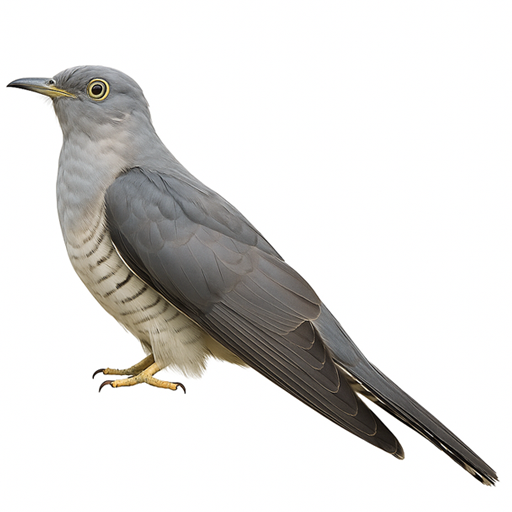
7) Common Cuckoo (Cuculus canorus)
ID: gray upperparts, white underparts with thin barring, yellow eye.
Habitat: meadows, reedbeds, woodland edges across Europe and Asia.
Song: unmistakable “cuck-oo.”
Unique breeding: brood parasite lays eggs in other birds’ nests.
Diet: mainly insects, especially hairy caterpillars avoided by others.
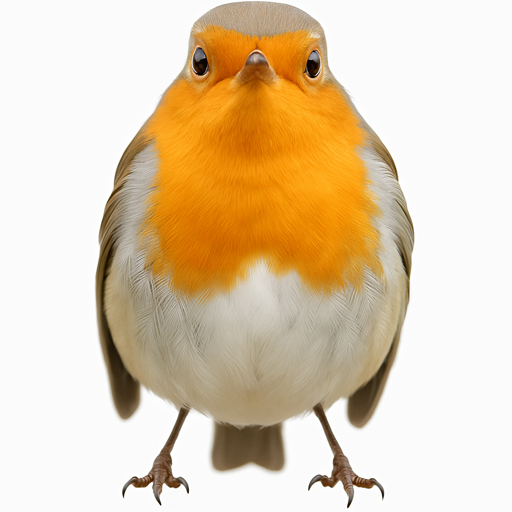
8) European Robin (Erithacus rubecula)
ID: orange-red chest, white belly, brown back.
Habitat: woodlands, gardens, parks all over Europe.
Song: clear silvery notes, sung year-round, even in winter.
Diet: insects, worms, spiders, berries.
Culture: symbol of winter and hope; often on Christmas cards.
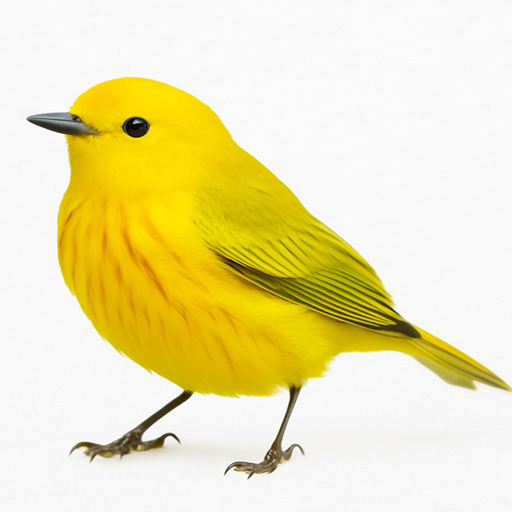
9) Yellow Warbler (Setophaga petechia)
ID: bright yellow, male with fine reddish streaks on breast, olive wings.
Habitat: willows, stream edges, shrubs across the Americas; winters in tropics.
Song: cheerful “sweet-sweet-sweeter-than-sweet.”
Diet: insects, larvae; excellent pest controller.
Anti-parasitism: some females bury foreign eggs under new nesting layers.
Quick Habitat & Diet Overview
- Pollinator in flower gardens: Hummingbird.
- Wetlands & reedbeds: Bluethroat, Yellow Warbler.
- Urban & suburban: House Finch, European Robin.
- Orchards & shrubby woods: Icterine Warbler.
- Tropical shrubs: Black Cardinal.
- Forest edges: Indigo Bunting.
- Mixed landscapes with host species: Cuckoo.
Conclusion
From the shimmering Amethyst-Throated Hummingbird to the golden Yellow Warbler, each of these nine birds has a unique ecological role and beauty. Some pollinate flowers, others control insects, and some, like the cuckoo, challenge our views of nature’s balance. Together, they remind us that biodiversity enriches our lives whether in tropical forests, European gardens, or North American meadows. By creating bird-friendly spaces with native plants, water, and safe shelter, we invite these jewels of the sky closer to us.
🔔 For more tutorials like this, consider subscribing to our blog.
📩 Do you have questions or suggestions? Leave a comment or contact us!
🏷️ Tags: hummingbird, bluethroat, house finch, icterine warbler, black cardinal, indigo bunting, common cuckoo, european robin, yellow warbler, birdwatching
📢 Hashtags: #Birds #Hummingbird #Bluethroat #HouseFinch #IcterineWarbler #IndigoBunting #Cuckoo #EuropeanRobin #YellowWarbler #Birdwatching
