


⏲️ Estimated reading time: 5 min
Table of Contents
Humans are the only creatures on Earth that burn so easily in the sun.
At first glance, this fact seems ordinary. Yet, when examined closely, it becomes deeply unsettling.
See also: Klaus-Michael Kühne Dies at 89, Leaving a Global Logistics
Why Humans Don’t Seem Adapted to Earth: A Theory That Changes Perspective
Most living organisms are perfectly equipped for their environment. Nature does not waste resources. Evolution constantly optimizes survival. Still, the human body appears to struggle with the very planet it inhabits.
The simple observation that raises a huge question
This apparent mismatch has given rise to one of the most provocative theories about human origins.
Nature and the perfection of biological adaptation
In the natural world, protection is built directly into the body.
Birds have feathers that insulate and shield them from solar radiation.
Reptiles possess scales that act as natural armor.
Whales and dolphins have thick, specialized skin adapted to sunlight, saltwater, and pressure.
Primates are covered in dense fur that protects them from environmental exposure.
Every species seems “designed” precisely for the place it lives.
Humans – the species that needs help to survive
Humans are different.
Human skin burns quickly.
Body temperature rises easily.
We need clothes, shelter, tools, and artificial protection.
Without these, survival would be extremely difficult.
This dependence raises an uncomfortable question:
why does such an intelligent species appear so poorly adapted biologically?
The fragility of the human body in everyday life
The human body is prone to:
- back pain
- joint problems
- allergies
- chronic stress
- autoimmune conditions
Bipedal walking, often praised as an evolutionary advantage, causes numerous spinal issues. Teeth decay easily. Vision deteriorates quickly. The immune system often overreacts to natural elements.
All of this contrasts sharply with the resilience of other species.
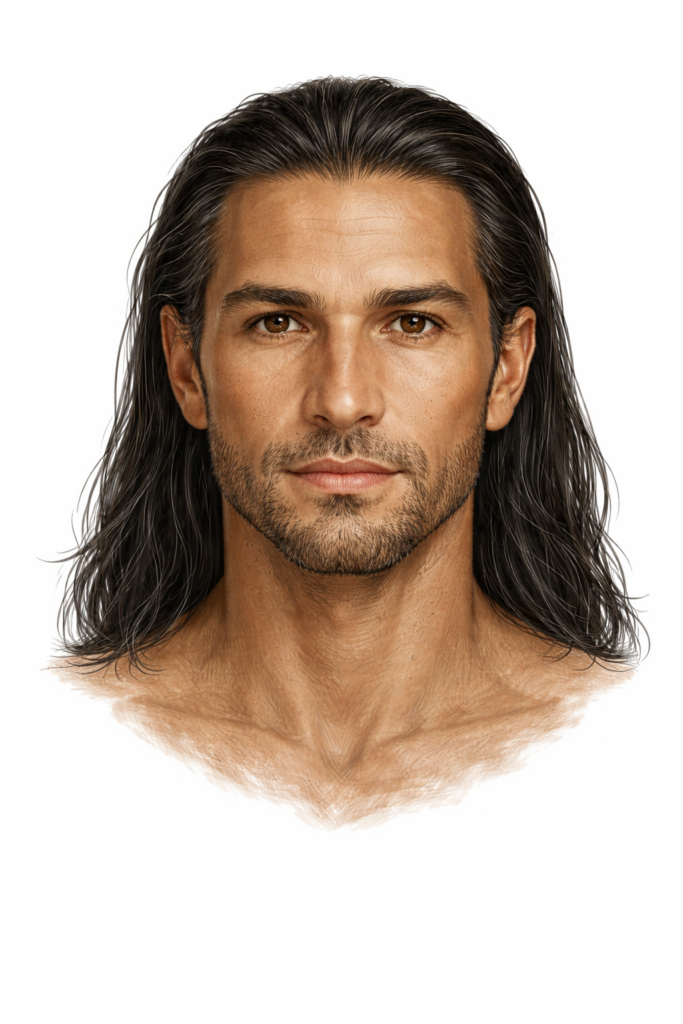
Human babies and the paradox of vulnerability
An even more striking aspect is the condition of human newborns.
Most animals can walk, see, or defend themselves shortly after birth.
Human babies are completely dependent for years.
This extreme vulnerability is rare in nature.
Without constant care, the human species would not survive.
This suggests that our biological adaptation may be incomplete.
Earth – a planet built for harsh survival
Earth is a world shaped by natural selection.
Extreme temperatures.
Solar radiation.
Aggressive microorganisms.
Constant competition for resources.
Animals are adapted to face these challenges without external aid.
Humans, by contrast, bypass them through technology.
The emergence of a controversial theory
Based on these observations, Dr. Ellis Silver proposed an unconventional idea.
He suggests that humans may not have originally evolved on Earth.
This is not a claim, but a hypothesis built on biological inconsistencies.
The core arguments of the theory
The theory focuses on several key points:
- extreme sensitivity to sunlight
- fragile skeletal structure
- the need for footwear
- dependence on technology
- high levels of psychological stress
These traits appear unusual for a “native” species.
A transplanted species?
One idea explored is that humans originated in an environment with different gravity, softer light, and more stable conditions.
Arriving on Earth, humans would have been forced to adapt quickly.
That adaptation may still be incomplete and ongoing.
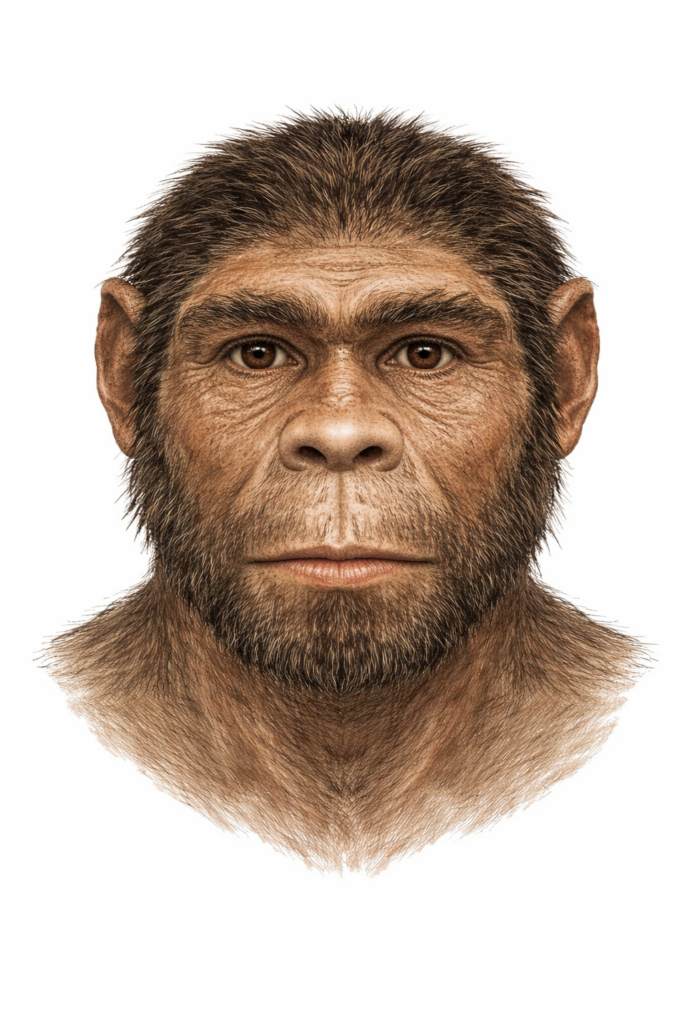
Experiment, colony, or accident?
The theory goes further by exploring several possibilities:
- planned colonization
- genetic experimentation
- forced exile
- accidental migration
None can be proven, yet all raise legitimate questions.
Does evolution explain everything?
Evolution explains many things.
However, it struggles to explain why humans must constantly modify their environment to survive.
No other species does this on the same scale.
Humans do not adapt to the environment.
The environment is adapted to humans.
Technology as a biological prosthesis
Technology can be seen as an extension of the human body.
Clothing replaces fur.
Houses replace natural shelters.
Medicine compensates for biological limitations.
This level of dependence is unique.
Human psychology and modern stress
Beyond physical issues, humans suffer from persistent psychological stress.
Anxiety, depression, and burnout are widespread.
These conditions are rare in wild animals.
Perhaps the environment is misaligned with our psychological structure.
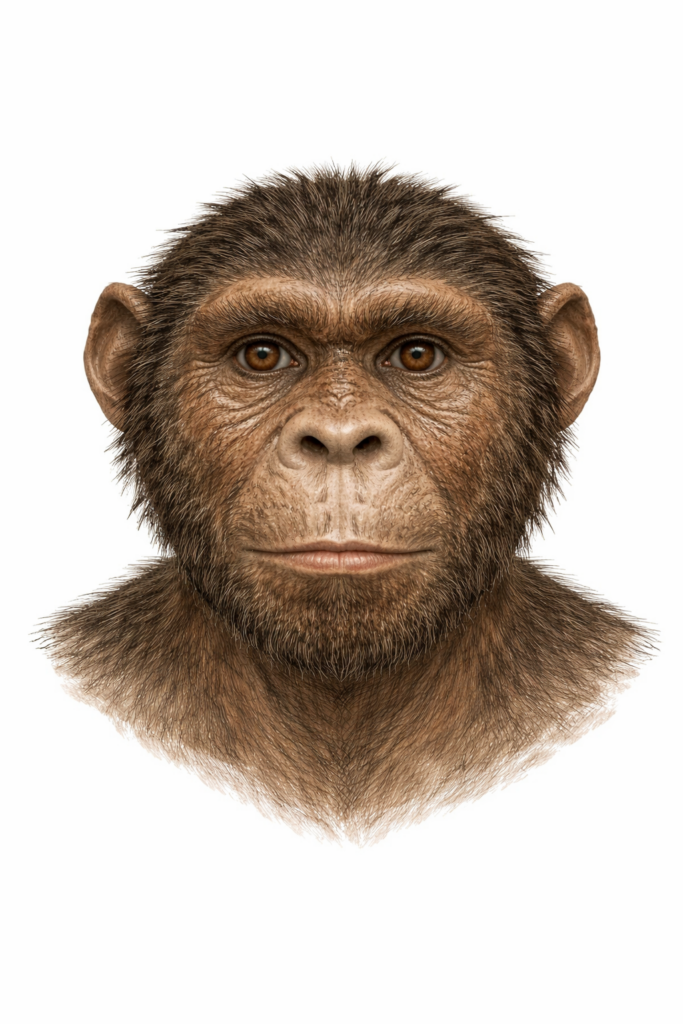
Humans as a species in transition
A more moderate interpretation suggests humans are still evolving.
Perhaps the evolutionary process is unfinished.
Perhaps we exist between two stages.
This explanation aligns more closely with mainstream science.
Why the idea of a different origin fascinates us
Because it resonates with a deep internal feeling.
Many people sense that they do not fully belong.
This feeling appears in myths, religions, and stories about the sky.
The sky as a symbol of origin
Throughout history, humans have looked upward for answers.
Gods descending from the heavens.
Angels.
Advanced beings from the stars.
These stories may be metaphors or echoes of collective imagination.
Science, speculation, and curiosity
It is essential to separate facts from hypotheses.
This theory is not scientifically accepted.
There is no direct evidence.
Yet exploring unconventional ideas fuels intellectual progress.
What does our body tell us?
The human body tells a compelling story.
Intelligent yet fragile.
Adaptive yet vulnerable.
Creative yet dependent.
This combination is rare in nature.
Are we truly at home on Earth?
Perhaps yes.
Perhaps not entirely.
Perhaps Earth is our adopted home.
The question remains open.
A final thought that stays with you
The next time the sun burns your skin, pause for a moment.
Not to seek definitive answers.
But to ask better questions.
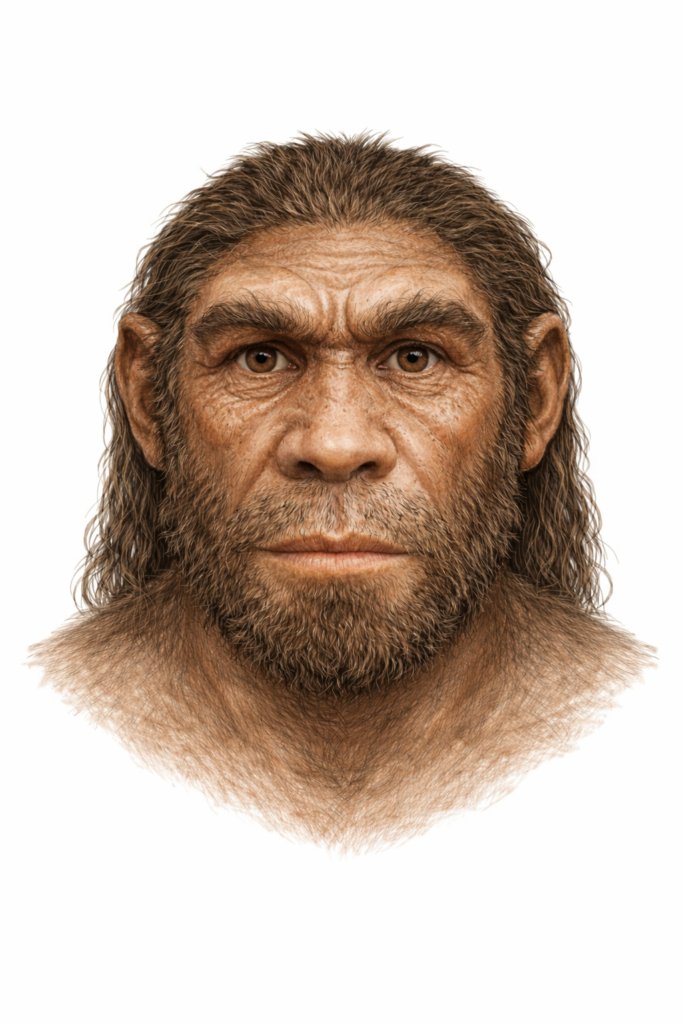
The idea that remains after you close the page
Maybe humans are not flawed.
Maybe Earth is not wrong.
Maybe the story is bigger than we ever imagined.
⚠️ DISCLAIMER
This article is for informational and exploratory purposes only. The theory discussed is not officially accepted by the scientific community. The content is based on biological observations, hypotheses, and publicly discussed ideas, not definitive scientific proof.
🔔 For more tutorials like this, consider subscribing to our blog.
📩 Do you have questions or suggestions? Leave a comment or contact us!
🏷️ Tags: human origins, human adaptation, alien theory, Dr Ellis Silver, evolution, biology, mysteries, Earth, human body, science
📢 Hashtags: #humanorigins, #science, #evolution, #mysteries, #humanity, #earth, #biology, #curiosity, #longread, #discover
