


⏲️ Estimated reading time: 5 min
Table of Contents
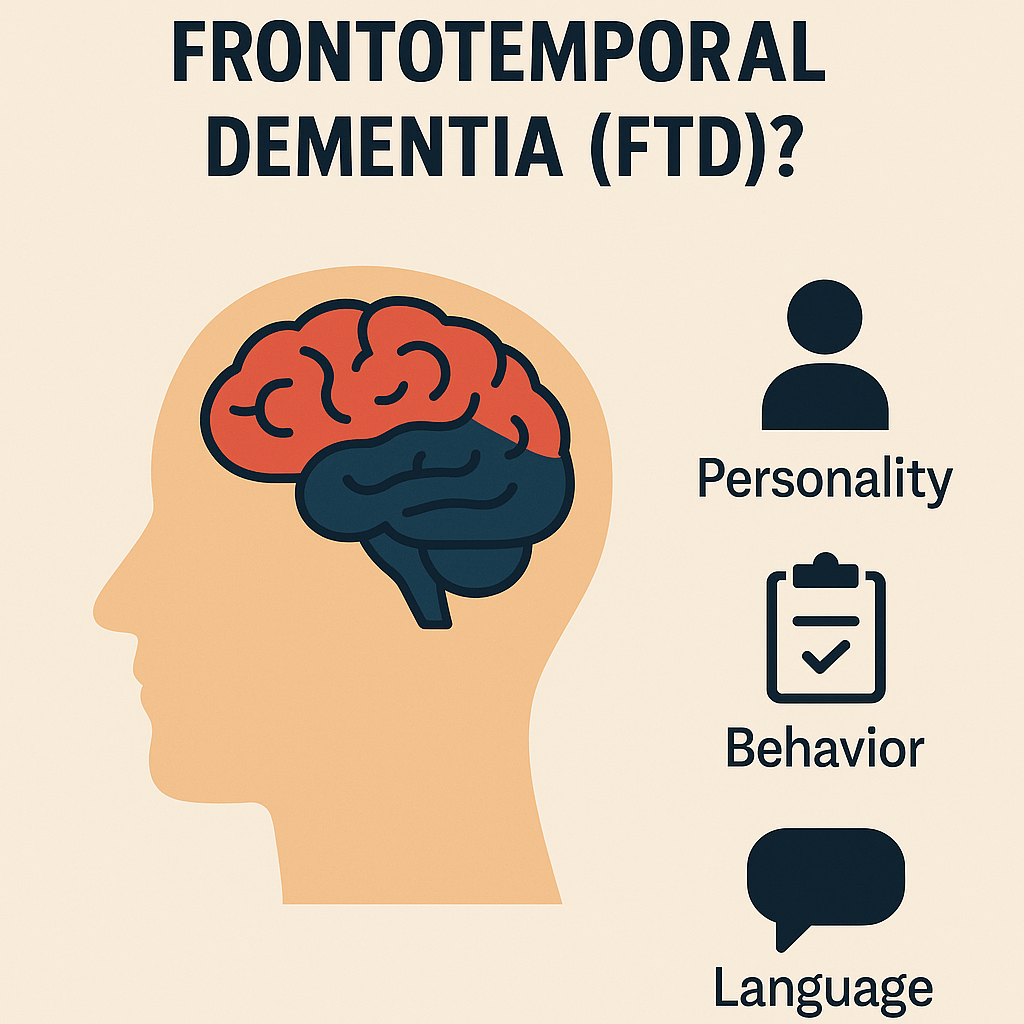
Frontotemporal dementia (FTD) is a rare but serious neurodegenerative disease that affects the areas of the brain responsible for personality, behavior, and language. The condition progresses over time and deeply alters the way a person thinks, feels, and acts. Discover what it is, how it manifests, and what support options are available.
See also: The Young Hero Who Sacrificed Everything for Love: The Story
What Does Frontotemporal Dementia (FTD) Represent?
Frontotemporal dementia is a type of dementia characterized by the progressive degeneration of the frontal and temporal lobes of the brain. These zones regulate decision-making, emotions, impulses, empathy, social behavior, and communication.
Unlike Alzheimer’s disease which primarily affects memory FTD mainly impacts personality and behavior. This is why it is often confused at first with depression, bipolar disorder, or substance-related conditions.
FTD is one of the leading causes of dementia in people under 60 years old, making it a condition that frequently strikes during the prime working and family years.
Main Types of FTD
1. Behavioral Variant FTD (bvFTD)
This form affects the frontal lobe and causes dramatic changes in personality and behavior, such as:
- loss of empathy
- impulsivity
- neglect of personal hygiene
- lack of inhibition
- inappropriate social actions
It is the most common subtype of FTD.
2. Primary Progressive Aphasia (PPA)
This type affects language and communication. It includes:
- Non-fluent PPA – slow, effortful speech and short sentences
- Semantic PPA – difficulty understanding the meaning of words
Memory may remain intact for a long time, but language skills gradually decline.
3. FTD-Related Movement Disorders
Some individuals develop:
- amyotrophic lateral sclerosis (ALS)
- progressive supranuclear palsy
- corticobasal degeneration
These disorders affect movement, balance, and muscle function.
Symptoms of Frontotemporal Dementia
Symptoms differ by type, but common signs include:
- sudden personality changes
- lack of empathy or interest in loved ones
- impulse-control problems or inappropriate behavior
- repetitive or obsessive routines
- difficulty finding words
- reduced executive function (planning, organizing)
- motor problems in certain variants
Because the disease is progressive, symptoms worsen over time.
What Causes FTD?
The exact cause remains unclear, but research highlights several factors:
- abnormal protein buildup in the brain (tau, TDP-43)
- genetic predisposition
- inherited gene mutations
Up to 40% of cases have a genetic component, making genetic testing relevant for some families.
How Is FTD Diagnosed?
Diagnosis is complex and may involve:
- neurological evaluation
- cognitive tests
- imaging tests (MRI, CT, PET scans)
- blood tests to rule out other conditions
- behavioral history reported by family members
In many situations, family members are the first to notice changes, especially those involving behavior.
Is There a Treatment for FTD?
There is currently no cure for FTD and no treatment that stops its progression. However, certain interventions can help:
Symptom Management
- medication for anxiety or depression
- antipsychotics (only when absolutely necessary)
- behavioral therapy
- speech therapy for progressive aphasia
Family Support
FTD deeply impacts family dynamics. Psychological support and caregiver groups are essential.
Long-Term Care
As the disease advances, patients may require constant supervision.
Who Is More at Risk for FTD?
- adults between 40–65 years old
- those with a family history of FTD or ALS
- individuals with specific genetic mutations
FTD can also develop after age 70, though less commonly.
How Does FTD Affect Family and Relationships?
Because memory often remains intact in early stages, many patients appear “physically normal” while losing empathy, impulse control, and social appropriateness.
For family members, this can be extremely painful:
- the loved one appears “like a different person”
- communication becomes difficult
- financial strain may appear
- emotional stress and burnout become common
Many relatives describe FTD as the “loss of the person’s identity.”
Living With FTD – What Can Be Done?
Although the disease is incurable, the right approach can improve quality of life:
- maintaining a stable routine
- avoiding stressful situations
- using gestures or visual tools for communication in aphasia
- occupational therapy
- simple, enjoyable activities
- continuous family support
Adaptation is challenging, but with proper resources, patients can experience more comfort and stability.
Frequently Asked Questions
1. Is FTD the same as Alzheimer’s disease?
No. Alzheimer’s primarily affects memory, while FTD affects behavior, personality, and language.
2. How quickly does FTD progress?
It may progress over 2–10 years, depending on the subtype and the individual.
3. Is FTD inherited?
About 40% of cases have a genetic component. Genetic testing may be recommended for relatives.
4. Can people with FTD still recognize their families?
Sometimes yes, sometimes no. Even when recognition is impaired, many still respond emotionally to loved ones.
5. Is there a treatment that stops the disease?
Not at the moment. Treatments focus on symptom relief and emotional support.
6. Can frontotemporal dementia be prevented?
There is no confirmed prevention method, but a healthy lifestyle and regular medical check-ups may help reduce risk.
Future Perspectives and Hope
Research in neurodegeneration is evolving rapidly. Scientists are working on:
- targeted treatments for abnormal proteins
- genetic therapies
- drugs that slow neuronal damage
There is hope that major breakthroughs in FTD treatment are on the horizon.
Disclaimer and Source Information
This article provides general information based on medical research, neurology studies, and public scientific resources. It does not replace medical advice. For symptoms or concerns, consult a neurologist or a specialist in cognitive disorders.
Sources: academic publications, FTD organizations, neurological education materials.
🔔 For more tutorials like this, consider subscribing to our blog.
📩 Do you have questions or suggestions? Leave a comment or contact us!
🏷️ Tags: frontotemporal dementia, ftd, dementia, cognitive disorders, neurology, mental health, neurodegenerative diseases, FTD symptoms, FTD treatment, brain disorders
📢 Hashtags: #FTD #FrontotemporalDementia #MentalHealth #Neurology #CognitiveHealth #NeurodegenerativeDisease #HealthInformation #BrainHealth #MedicalEducation #HelpZoneBlog
