


⏲️ Estimated reading time: 5 min
Table of Contents
Born in 1756, Wolfgang Amadeus Mozart remains one of the greatest composers of all time. A child prodigy, fearless innovator, and free spirit, Mozart redefined classical music through brilliance, emotion, and astonishing productivity during a tragically short life.
January 27 1756 – The Birth of Wolfgang Amadeus Mozart, the Genius Who Changed Music Forever
The Historical Context of 1756
The year 1756 was far from ordinary in European history. The continent stood at a cultural crossroads. Enlightenment ideas were spreading, and reason began to challenge rigid tradition.
Imperial cities overflowed with music. Royal courts employed composers, orchestras, and conductors. Music was not just art. It was power, prestige, and social influence.
Into this world stepped a child who would surpass every expectation.
The Birth of a Genius: Mozart’s Beginning
On January 27, 1756, in Salzburg, Wolfgang Amadeus Mozart was born. His father, Leopold Mozart, was a respected violinist and music teacher.
From infancy, Mozart was surrounded by sound. Music was not a pastime in the household. It was daily language.
Leopold quickly realized something extraordinary was unfolding.
An Unusual Childhood
By the age of three, Mozart could reproduce melodies on the harpsichord. At four, he began composing short pieces. At five, he wrote complete musical works.
His talent was not merely early. It was profound.
Many children can imitate. Very few can create. Mozart did both with unsettling ease.
European Tours and the Shaping of Genius
Leopold decided to introduce his son to the world. What followed were extensive tours across Europe’s major capitals.
Royal Courts and Aristocracy
Mozart performed before kings, emperors, and nobility. He was regarded as a living miracle.
Multicultural Influence
Each city shaped him. Italy refined his operatic sense. France influenced elegance and form. Germany strengthened structure and discipline.
The Cost of Early Fame
Behind the applause, Mozart’s childhood lacked normality. Endless travel, rehearsals, and expectations left lasting marks.
Mozart and the Enlightenment Spirit
Mozart lived during an era when freedom of thought began challenging absolute authority. That spirit echoes throughout his music.
His compositions brought:
- clarity
- balance
- emotional honesty
- human warmth
His music did not intimidate. It invited reflection.
Mozart’s Musical Style
Mozart mastered nearly every genre of his time.
Symphonies
He composed over 40 symphonies, each marked by clarity, energy, and emotional contrast.
Operas
His operas transformed the genre. Characters became human, flawed, and deeply relatable.
Chamber Music
Mozart reshaped instrumental dialogue. Every voice mattered.
Sacred Music
His sacred works blended reverence with genuine emotion.
The Man Behind the Genius
Mozart was more than a brilliant composer. He was a complex human being.
Personality
Playful, impulsive, and unconventional, Mozart often clashed with rigid court expectations.
See also: When Motherhood Feels Lonely in a Relationship
Authority and Independence
He refused to remain a submissive court employee. Artistic freedom mattered more than security.
Financial Struggles and Artistic Freedom
Despite fame, Mozart often lived in financial hardship.
Why?
- No permanent patron
- High living expenses
- Refusal to compromise artistic integrity
Consequences
Stress and exhaustion took a heavy toll on his health.
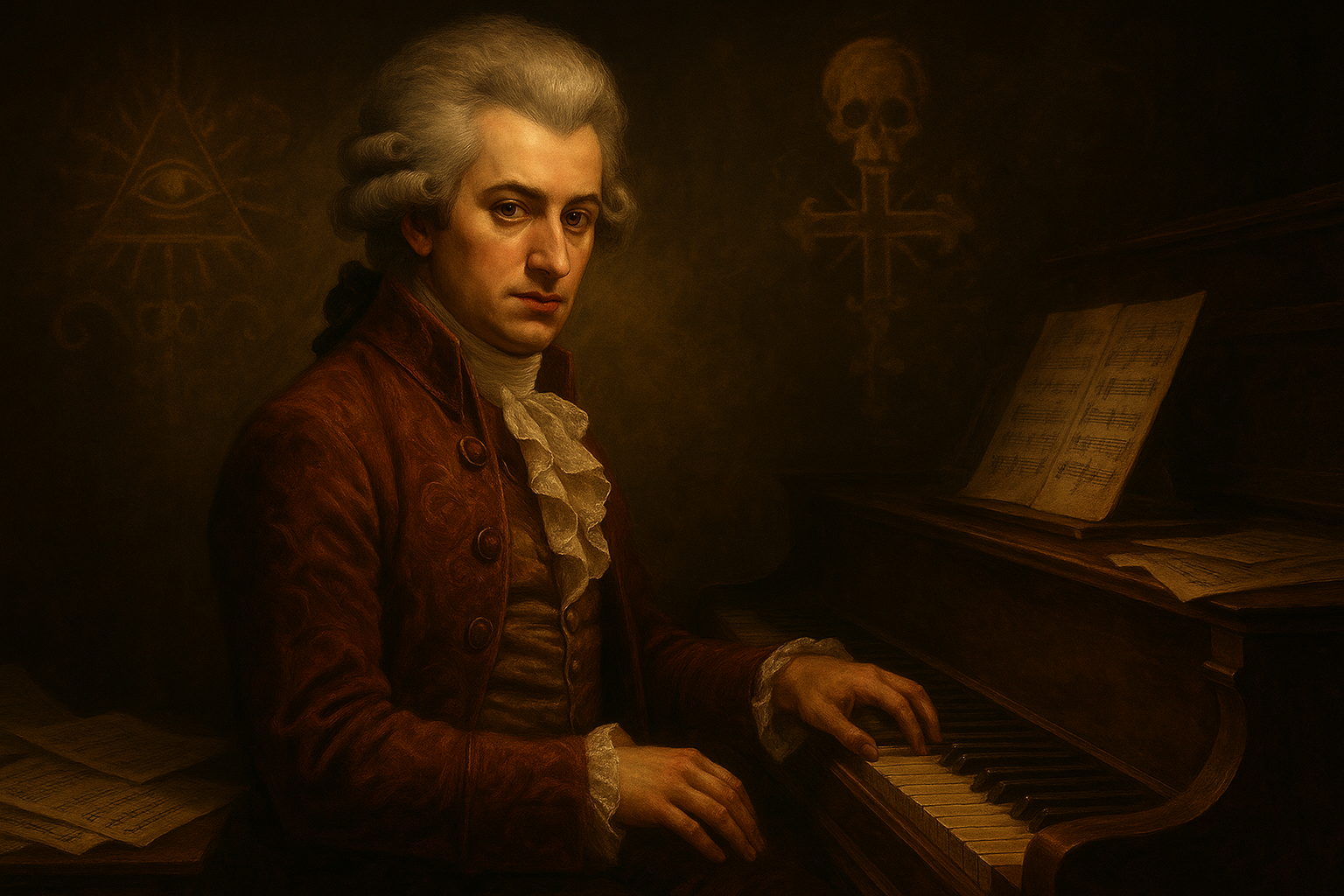
Opera as a Mirror of Society
Mozart used opera to subtly critique social structures.
Recurring Themes
- power
- love
- hypocrisy
- freedom
Audiences recognized themselves in his characters. That connection made his operas timeless.
A Short Life and Enduring Mysteries
Mozart died in 1791 at the age of just 35. The exact cause remains debated.
Popular Myths
- poisoning
- conspiracies
- jealous rivals
Likely Reality
Illness, overwork, and chronic stress were likely decisive factors.
Global Impact on Music
Mozart’s influence is immeasurable.
Inspired Composers
- Beethoven
- Schubert
- Chopin
His Legacy
His music is studied, performed, and loved worldwide.
Mozart in Modern Culture
Mozart belongs to no single era.
Education
He remains central to music education across the globe.
Film and Literature
His life inspired countless artistic interpretations.
Contemporary Music
Modern composers still draw from his structures and harmony.
Why Mozart Still Matters
Mozart is not just technique. He is pure emotion.
His music:
- does not age
- does not fade
- never loses relevance
It speaks directly to the human soul.
Mozart and the Human Mind
Numerous studies have examined how his music affects focus and emotional balance.
The So-called “Mozart Effect”
Though often exaggerated, the idea highlights the clarity and harmony embedded in his work.
Lessons from Mozart’s Life
About Talent
Talent must be nurtured, not exploited.
About Freedom
True art demands courage.
About Time
Greatness is measured by impact, not years lived.
Frequently Asked Questions
When was Mozart born?
Mozart was born on January 27, 1756, in Salzburg.
Why is Mozart considered a genius?
Because of his extraordinary ability to compose complex music from early childhood.
How many works did he compose?
Over 600 catalogued compositions.
What musical genres did he write?
Symphonies, operas, chamber music, sacred works, and concertos.
Was Mozart wealthy?
No. Despite fame, he struggled financially.
How did Mozart die?
The exact cause is unknown, but illness and exhaustion are most likely.
Is Mozart still studied today?
Yes. He is a cornerstone of classical music education.
What sets Mozart apart from others?
Perfect balance between emotional depth and structural clarity.
A Legacy That Never Fades
Mozart was not merely a composer. He was a force of nature. Proof that true genius needs no justification.
More than two centuries after his birth, his music continues to inspire, move, and unite people around the world.
⚠️ Disclaimer and Source Hygiene
This article is intended for informational and educational purposes only. The content is based on historical research, academic biographies, and recognized musicological sources. For in-depth study, consult specialized literature or accredited musical institutions.
🔔 For more tutorials like this, consider subscribing to our blog.
📩 Do you have questions or suggestions? Leave a comment or contact us!
🏷️ Tags: Mozart, classical music, famous composers, music history, musical genius, Salzburg, Enlightenment, opera, symphonies
📢 Hashtags:
📚 Sources and References
- European musicological archives
- Academic biographies of Mozart
- Historical studies on the Enlightenment and classical music
