

⏲️ Estimated reading time: 5 min
Table of Contents
- ✅ Neutral tone (no glorification of recreational cannabis use)
- ✅ Educational and medical context only
- ✅ Legal disclaimers
- ✅ Focus on scientific information
- ✅ No encouragement to use or purchase cannabis
Cannabis is often discussed for its potential medical effects, but it also carries important health and legal considerations. This article offers an educational overview of cannabis use, focusing on both scientific insights and safety concerns.
Understanding the Effects of Cannabis Use: A Balanced Medical Overview
Read also: Top 5 PUBG Players of All Time by Prize Money
Disclaimer: This article is for educational purposes only. It does not encourage or promote the use, possession, or distribution of cannabis. Always consult a licensed medical professional regarding your health, and verify local laws before considering any substance-related treatments.
Cannabis, also known as marijuana, has been studied for its potential effects on human health. In recent decades, scientific and medical research has explored how specific compounds in cannabis namely THC (tetrahydrocannabinol) and CBD (cannabidiol) interact with the body’s systems.
This article provides an objective overview of how cannabis is being studied in medical contexts, as well as the known risks and limitations associated with its use.
🧬 How Does Cannabis Interact with the Human Body?
Cannabis affects the body through the endocannabinoid system, a network of receptors involved in regulating pain, mood, appetite, and other physiological processes. THC and CBD two key cannabinoids have been observed to influence this system in different ways.
- THC: Known for psychoactive effects; may influence perception, mood, and motor control.
- CBD: Non-psychoactive; being studied for potential anti-inflammatory and neuroprotective properties.
The effects vary based on dose, method of use, individual health status, and genetics.
✅ Scientific Insights Into Potential Medical Applications
Although research is ongoing and regulations vary by country, the following applications are under active investigation or already approved in some jurisdictions:
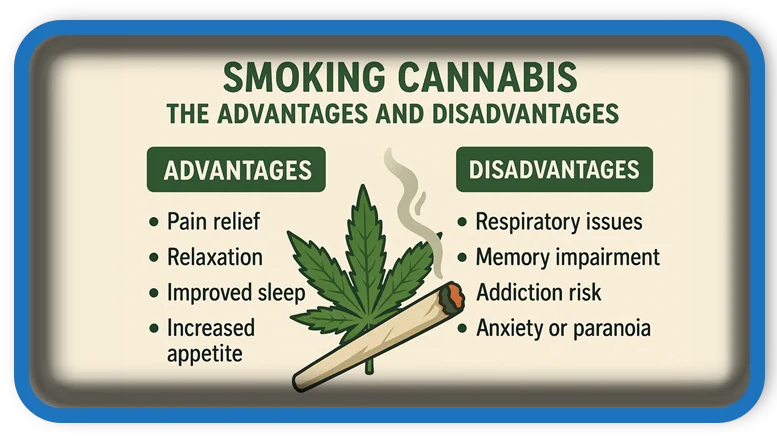
1. Pain Management
Cannabinoids may play a role in reducing certain types of chronic pain, especially neuropathic pain. Some medical systems allow the prescription of cannabis-based treatments for:
- Arthritis
- Multiple sclerosis (MS)
- Cancer-related pain
- Fibromyalgia
2. Support During Chemotherapy
Studies suggest that cannabis-based medicines can help reduce nausea and vomiting in cancer patients undergoing chemotherapy. These effects are often linked to THC and are considered helpful in supportive care.
3. Appetite Stimulation
Cannabis is being studied for its ability to stimulate appetite, particularly in patients with HIV/AIDS or those experiencing wasting syndromes.
4. Neurological Conditions
CBD-based medications have been approved in some countries to treat rare forms of epilepsy, such as Dravet Syndrome and Lennox-Gastaut Syndrome. Other neurological applications remain under review.
5. Sleep Disturbances
Some patients with insomnia report that cannabis-based treatments help improve sleep quality. However, clinical data is mixed, and long-term safety requires further investigation.
⚠️ Known Risks and Side Effects
While there are medical contexts where cannabis may offer benefits, researchers and health organizations have also documented several risks associated with its use:
1. Cognitive Impairment
Cannabis, particularly high-THC strains, may affect short-term memory, attention span, and decision-making especially in younger users or those who use it frequently.
2. Mental Health Risks
Regular or high-dose use may increase the risk of:
- Anxiety
- Depression
- Psychosis or schizophrenia in individuals with genetic predisposition
3. Respiratory Irritation (if smoked)
Smoking cannabis may irritate the lungs and airways, leading to:
- Chronic bronchitis
- Cough
- Lung inflammation
Alternative delivery methods (e.g., vaporization or medical-grade oral extracts) may reduce these effects.
4. Dependency Risk
While cannabis is generally considered less addictive than other substances, some individuals may develop cannabis use disorder involving:
- Loss of control over use
- Psychological dependency
- Withdrawal symptoms (irritability, insomnia)
5. Potential Cardiovascular Effects
Cannabis can cause elevated heart rate and blood pressure fluctuations. This may present risks for individuals with pre-existing heart conditions.
📜 Legal Considerations
Cannabis laws vary significantly across countries and even between regions within the same country. In many areas, the possession, use, or distribution of cannabis is illegal and subject to criminal penalties.
Even in jurisdictions where medical or recreational cannabis is legal, regulations around advertising, driving, workplace use, and age restrictions still apply.
Always verify your local laws and consult with a licensed physician before considering any treatment involving cannabis or related compounds.
🔍 The Importance of Ongoing Research
As cannabis becomes more widely studied, institutions such as the World Health Organization (WHO) and National Institutes of Health (NIH) continue to examine its medical potential and public health implications.
Key areas under investigation:
- Long-term cognitive effects
- Impacts on adolescent brain development
- Dosage standardization for medical use
- Drug interactions with common medications
🧠 Public Health Recommendations
Leading medical associations often recommend caution in the use of cannabis, particularly in the following cases:
- Teenagers and young adults
- Pregnant or breastfeeding individuals
- Patients with mental health disorders
- People with cardiovascular risk
- Those operating vehicles or machinery
The Centers for Disease Control and Prevention (CDC) and American Psychiatric Association (APA) emphasize evidence-based approaches and encourage patients to seek professional guidance.
Final Thoughts
Cannabis use is a complex issue that blends science, law, medicine, and personal choice. While medical cannabis may offer benefits in specific contexts under strict supervision, it is not without risks.
Education, responsible use, and professional consultation are essential to ensure safety and compliance with local regulations.
🔔 For more educational health articles, consider subscribing to our blog.
📩 Have questions or suggestions? Leave a comment or contact us!
🏷️ Tags: cannabis education, THC, CBD, endocannabinoid system, chronic pain, epilepsy, medical cannabis, public health, cannabis risks, responsible use
📢 Hashtags: #CannabisEducation, #CBD, #MedicalCannabis, #THC, #PainRelief, #HealthRisks, #MentalHealth, #SleepAid, #PublicHealth, #LegalCannabis
