


⏲️ Estimated reading time: 8 min
Table of Contents
NATO fighter jets intercepted Russian military aircraft over the Baltic Sea, underscoring growing tensions in Europe. This article explores the incident, its geopolitical implications, air policing strategies, and what it means for regional security and global stability in today’s complex defense landscape.
NATO Intercepts Russian Aircraft Over Baltic Sea: What It Means for Global Security; Understanding the Baltic Sea Incident. Overview of the Interception Event
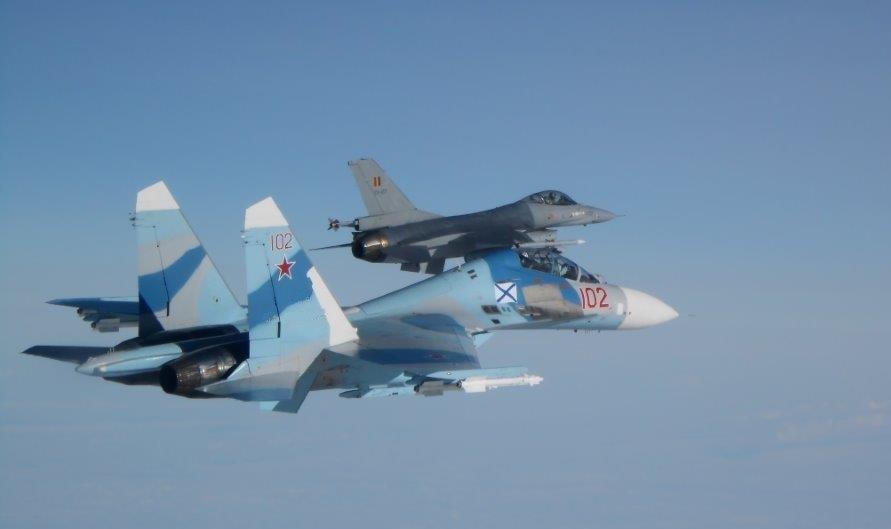
NATO fighter jets recently intercepted Russian military aircraft flying over the Baltic Sea. This type of encounter is not entirely new, but it has gained renewed attention due to rising geopolitical tensions in Europe. The interception occurred during routine air policing operations conducted by NATO forces.
The Russian aircraft reportedly did not respond to standard communication protocols. As a result, NATO jets were deployed to visually identify and monitor the aircraft. These operations are standard practice when unidentified or unresponsive aircraft approach NATO-controlled airspace.
Why the Baltic Sea Matters
The Baltic Sea region is one of the most strategically sensitive areas in Europe. It borders several NATO member states, including Estonia, Latvia, Lithuania, Poland, and Germany. Additionally, Russia maintains a significant military presence in Kaliningrad, a heavily fortified enclave along the Baltic coast.
Because of this geography, the Baltic Sea has become a focal point for military activity, surveillance, and defense readiness. Any unusual or aggressive movement in this region quickly attracts international attention.
What Is NATO Air Policing?
The Purpose of Air Policing Missions
NATO Air Policing is a peacetime mission designed to protect the airspace of member countries. It ensures that any aircraft entering or approaching NATO airspace is properly identified and monitored.
This mission is especially important for smaller nations that may not have the resources to maintain their own air defense systems. NATO provides collective security by rotating fighter jet deployments among member states.
How Interceptions Work
When an unidentified aircraft is detected, NATO command centers assess the situation. If necessary, fighter jets are scrambled within minutes. These jets approach the aircraft, establish visual contact, and attempt communication.
If the aircraft remains unresponsive, NATO pilots escort it until it leaves the monitored area. The goal is to prevent any potential threat while avoiding escalation.
Russia’s Military Presence in the Baltic Region
Strategic Importance of Kaliningrad
Kaliningrad is a key Russian military hub located between Poland and Lithuania. It hosts advanced missile systems, naval forces, and air defense units. This region plays a crucial role in Russia’s strategy for projecting power in Europe.
Because of its location, Kaliningrad allows Russia to monitor NATO activities closely. It also enables rapid deployment of military assets in the Baltic Sea region.
Frequency of Russian Flights
Russian military aircraft frequently operate near NATO airspace. These flights often occur without filed flight plans or active transponders. This lack of transparency increases the risk of misunderstandings or accidents.
While Russia considers these flights routine, NATO views them as provocative and potentially destabilizing.
Rising Tensions Between NATO and Russia
Historical Context
Tensions between NATO and Russia have been building for years. Events such as the annexation of Crimea in 2014 and the ongoing conflict in Ukraine have significantly strained relations.
Since then, both sides have increased military activity in Eastern Europe. NATO has strengthened its presence in member states near Russia’s borders. Meanwhile, Russia has conducted large-scale military exercises and expanded its capabilities.
Recent Developments
The interception over the Baltic Sea is part of a broader pattern. Both NATO and Russia are engaging in more frequent military maneuvers. These actions reflect growing mistrust and competition for influence.
Although these encounters rarely lead to direct conflict, they contribute to an atmosphere of tension and uncertainty.
The Role of Fighter Jets in Air Interceptions
Types of Aircraft Used
NATO typically deploys advanced fighter jets such as the F-16, Eurofighter Typhoon, and F-35 for interception missions. These aircraft are equipped with cutting-edge radar systems and communication tools.
Their speed and agility allow them to respond quickly to potential threats.
Pilot Training and Protocols
Pilots involved in air policing missions undergo rigorous training. They must follow strict rules of engagement to ensure safety and professionalism.
Their primary objective is to identify and monitor, not to engage in combat. Clear communication and precise maneuvering are essential during these operations.
Geopolitical Implications of the Incident
Impact on European Security
The interception highlights ongoing concerns about European security. It shows that NATO remains vigilant and prepared to respond to potential threats.
At the same time, it underscores the fragile nature of relations between NATO and Russia. Any miscalculation could have serious consequences.
Global Reactions
Incidents like this often draw international attention. Governments, analysts, and media outlets closely monitor these developments.
While most countries support NATO’s actions as defensive, some call for increased dialogue to reduce tensions.
The Risk of Escalation
Close Encounters in the Sky
Air interceptions can be risky. Aircraft often operate at high speeds and close distances. A small mistake could lead to a collision or misunderstanding.
To minimize risks, both NATO and Russia have established protocols. However, these measures are not always followed.
Communication Challenges
One of the main issues is the lack of communication. When aircraft do not respond to radio calls, it creates uncertainty.
Improving communication channels could help prevent unnecessary escalation.
NATO’s Strategy Moving Forward
Strengthening Air Defenses
NATO continues to invest in advanced defense systems. This includes upgrading radar networks and deploying more capable aircraft.
Read also: Narcissism: A Disorder or a Chosen Behavior?
These efforts aim to ensure rapid response and maintain airspace integrity.
Enhancing Cooperation Among Members
Cooperation is a key strength of NATO. Member states regularly participate in joint exercises and share intelligence.
This collaboration improves readiness and ensures a coordinated response to potential threats.
Russia’s Perspective
Military Readiness and Strategy
From Russia’s perspective, these flights demonstrate military readiness. They also serve as a way to test NATO’s response capabilities.
Russia often argues that its actions are within international law.
Diplomatic Messaging
Military activities can also send political messages. By operating near NATO airspace, Russia signals its presence and influence in the region.
These actions are part of a broader strategy to assert power on the global stage.
The Importance of International Law
Airspace Regulations
International law governs the use of airspace. Aircraft must follow certain rules, including filing flight plans and maintaining communication.
When these rules are not followed, it raises concerns about safety and intent.
Efforts to Maintain Stability
Organizations such as the International Civil Aviation Organization (ICAO) work to promote safe and orderly air travel.
Adhering to these standards is essential for reducing risks.
Public Perception and Media Coverage
How the Media Reports These Events
Media coverage plays a significant role in shaping public perception. Headlines often emphasize tension and conflict.
While this attracts attention, it can sometimes oversimplify complex situations.
Public Concerns
People are naturally concerned about security and stability. Incidents like this raise questions about the possibility of conflict.
Clear communication from authorities helps reassure the public.
Future Outlook for the Baltic Region
Continued Monitoring
The Baltic Sea will remain a key area of interest. Both NATO and Russia are likely to continue their activities.
Monitoring and preparedness will be essential.
Potential for Dialogue
Despite tensions, there is still room for diplomacy. Dialogue between NATO and Russia could help reduce misunderstandings.
Building trust will take time, but it remains an important goal.
Frequently Asked Questions
What does it mean when NATO intercepts an aircraft?
It means NATO fighter jets identify and monitor an aircraft approaching or flying near its airspace.
Why do Russian aircraft fly near NATO airspace?
These flights are often part of military exercises or strategic signaling.
Is an interception considered an act of war?
No, interceptions are standard defensive measures and not acts of war.
How often do these incidents occur?
They happen regularly, especially in regions with high military activity.
What is NATO Air Policing?
It is a mission to protect and monitor the airspace of NATO member countries.
Are these encounters dangerous?
They can be risky, but strict protocols help reduce danger.
What role does the Baltic Sea play in geopolitics?
It is a strategic region with significant military and economic importance.
How does NATO respond to unresponsive aircraft?
It deploys fighter jets to visually identify and escort them.
Can these incidents lead to conflict?
While unlikely, miscalculations could increase tensions.
What can be done to reduce tensions?
Improved communication and diplomatic efforts can help.
Thoughts on a Tense Sky Over Europe
The interception of Russian aircraft over the Baltic Sea is more than a routine military operation. It reflects deeper geopolitical tensions and highlights the importance of vigilance, communication, and cooperation. As both NATO and Russia continue to operate in close proximity, the need for stability and dialogue becomes increasingly important.
⚠️ Disclaimer and Source Hygiene
This article is for informational purposes only. It is based on publicly available reports and analysis from defense and geopolitical sources. Readers should consult official statements and professional experts for detailed insights.
🔔 For more tutorials like this, consider subscribing to our blog.
📩 Do you have questions or suggestions? Leave a comment or contact us!
🏷️ Tags: NATO, Russia, Baltic Sea, Air Interception, Military Aviation, Geopolitics, Fighter Jets, European Security, Defense News, Air Policing
📢 Hashtags: #NATO #Russia #BalticSea #MilitaryAviation #AirInterception #Geopolitics #DefenseNews #FighterJets #EuropeanSecurity #AirPolicing
📚 Sources and References
- NATO official statements on Air Policing missions
- Reports from Reuters and BBC on Baltic airspace incidents
- Analysis from defense think tanks such as RAND Corporation
- European security briefings and aviation safety reports
