


⏲️ Estimated reading time: 8 min
Table of Contents
Get Off the Wrong Train: A Psychological Guide to Changing Your Life. Many people stay on the wrong path because they fear change, failure, or the unknown. This article explains the psychological meaning behind the quote “If you get on the wrong train, get off at the next station,” showing how to stop harmful habits, leave wrong situations, and reclaim your life.
See also: How to Fix “Too Many Preconnect Connections” in
Understanding the Psychological Meaning Behind the Wrong Train Metaphor
Life places us on many “trains.” These trains can be relationships, careers, habits, beliefs, friendships, routines, or environments. Some trains carry us toward growth, confidence, and stability. Others move in the opposite direction, pushing us toward stress, anxiety, regret, or emotional exhaustion.
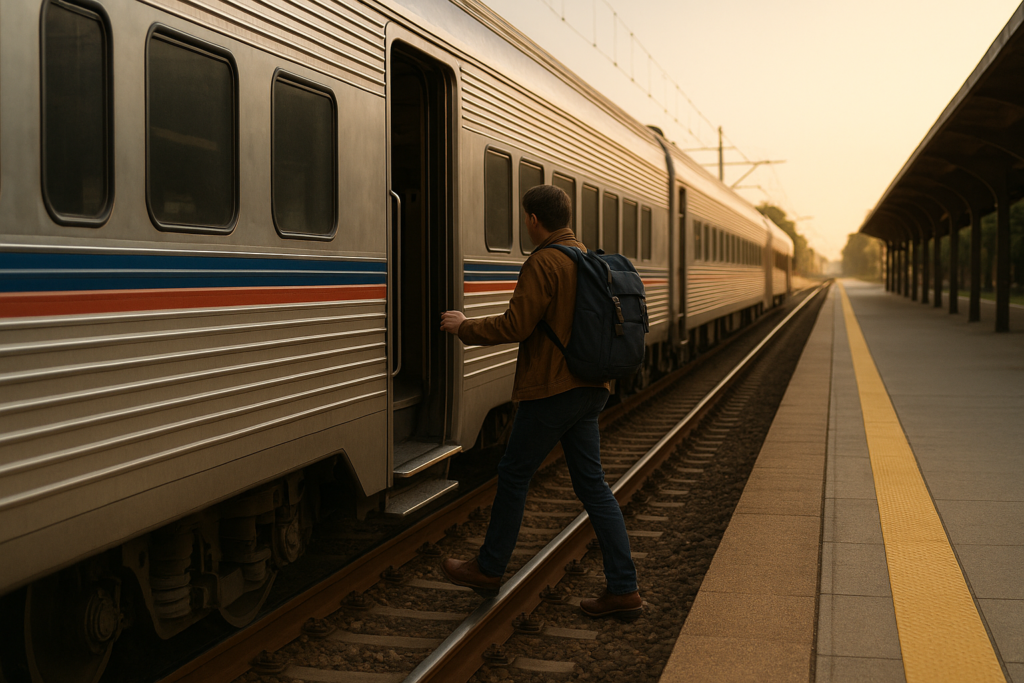
The quote “If you get on the wrong train, get off at the next station” offers a simple but powerful life lesson. It teaches us that mistakes are natural, but staying in the wrong place for too long comes at a high cost. Every extra day on the wrong path drains your time, energy, mental health, and opportunities.
In this post, you will learn the deep psychological meaning behind this analogy. You will understand why people stay in harmful situations, how to identify your wrong “train,” and how to step off even when fear tries to hold you back.
Why People Stay on the Wrong Train
Many individuals remain stuck not because they lack intelligence, but because psychology plays a major role. Below are the main psychological forces that keep people on the wrong train.
Fear of the Unknown
The unknown often feels more frightening than a known discomfort. Many choose predictable suffering over uncertain freedom.
This mindset creates emotional paralysis.
Sunk Cost Fallacy
The mind says:
“I already invested so much time… I cannot quit now.”
However, the past investment will never return. Staying only increases the emotional cost.
Hope for Improvement
Even when a situation shows no realistic chance of changing, people hope the next “station” will magically become better.
Hope is beautiful, but unrealistic hope becomes a trap.
Social Pressure
Expectations from family, society, or partners often prevent individuals from stepping away.
People fear being judged more than they fear long-term unhappiness.
Low Self-Worth
When a person feels unworthy, they accept the wrong train as if it is the only train they deserve.
Psychological Signs You Are on the Wrong Train
Identifying your emotional signals is essential. The body and mind always send warnings.
Constant Anxiety
You feel anxious without a clear reason.
You wake up with tension in your chest or stomach.
Persistent Exhaustion
Your energy declines even without physical effort.
Your brain tries to warn you through fatigue.
Loss of Motivation
You force yourself to continue. There is no joy, no spark, no connection.
Avoidance Behaviors
You begin avoiding tasks, conversations, or even people linked to the situation.
Feeling Trapped
You think:
“I want to leave, but I cannot.”
This is the clearest psychological sign.
Repeated Patterns of Pain
The same cycles return again and again.
When these signs appear frequently, you are no longer growing. You are surviving.
Why the Journey Back Becomes More Expensive
Staying on the wrong train has hidden psychological costs. The longer you remain, the harder it becomes to return to yourself.
Loss of Identity
You slowly forget who you were before the wrong train.
Your values fade. Your dreams shrink.
Emotional Damage
Toxic environments damage your confidence.
You begin doubting your decisions and instincts.
Wasted Time
Time is the one resource you cannot recover.
The more you lose, the more painful the regret becomes.
Habit Strengthening
The longer you stay, the deeper the habit roots grow.
Changing becomes emotionally challenging, even if it is necessary.
Reduced Opportunities
When you stay in the wrong place, new chances pass by unnoticed.
Each month on the wrong train increases the difficulty of stepping off, mentally and emotionally. Yet the truth remains: the next stop is still available.
How to Get Off the Wrong Train
Leaving the wrong situation requires clarity, courage, and action. Below are psychological strategies to exit in the healthiest way.
1. Acknowledge the Reality
Acceptance is the first station.
Say to yourself:
“I am on the wrong train.”
Awareness creates mental space for change.
2. Stop Justifying the Pain
When you stop creating excuses for a bad situation, you free your mind.
3. Reduce the Emotional Pressure
Take small steps instead of dramatic jumps.
Tiny actions create momentum.
4. Visualize the Destination
Picture yourself in a healthier future.
Visualization reduces fear and increases motivation.
5. Set Boundaries
Boundaries protect your mind.
Decide clearly what you no longer accept.
6. Speak the Truth
Tell yourself the truth even if it hurts.
Honesty is liberation.
7. Take the Exit Decision
It may feel uncomfortable at first, but your peace depends on it.
Psychological Transformation After Leaving the Wrong Train
Stepping off changes you deeply.
Renewed Confidence
You prove to yourself that you can take control.
Emotional Lightness
Your mind becomes clearer.
Your body relaxes.
Stronger Identity
You rediscover your values, passions, and desires.
Higher Standards
Once you leave one wrong train, you stop accepting any wrong trains in the future.
Inner Peace
Peace appears when you stop fighting yourself.
Examples of Wrong Trains in Real Life
Toxic Relationships
You stay because of love or fear of being alone.
Meanwhile, your emotional well-being collapses.
Unfulfilling Jobs
A paycheck keeps you trapped.
But the psychological cost becomes enormous.
Negative Habits
Smoking, overspending, overeating, emotional avoidance all trains that lead to internal damage.
Friendships That Drain You
You give energy, but you receive stress.
Living for Others Instead of Yourself
This train leads to long-term emotional emptiness.
When Should You Get Off?
The best moment is always the same: as soon as you realize the train is wrong.
However, because fear and doubt interfere, here is a psychological rule:
If something consistently takes more from you than it gives back, get off.
Why People Regret Staying Too Long
In therapy, the most common regret is not leaving sooner.
People rarely regret leaving.
They regret delaying the decision.
Regret comes from:
- Lost years
- Lost energy
- Emotional scars
- Missed opportunities
- Lost confidence
Every minute on the wrong train adds weight to your life.
Turning the Quote Into Personal Power
The quote is not about trains.
It is about personal responsibility.
It is about choosing your path, not simply accepting what happens.
How to Apply It Daily
- Listen to your emotions
- Question your direction
- Prioritize your mental health
- Make decisions based on growth
- Leave when something becomes harmful
- Trust your inner voice
- Value your time
When you take control of your train, you take control of your destiny.
A Deep Psychological Reinterpretation of the Quote
This quote teaches the essence of cognitive psychology and behavioral therapy in one sentence:
The mind must interrupt harmful patterns early.
If you interrupt late, the recovery takes longer.
If you interrupt early, you save your future.
Your life is a train journey.
Choose the right direction.
Change the train when needed.
And do not let comfort or fear lead you into years of regret.
FAQ – Psychology Behind the Wrong Train Metaphor
Why is it so hard to leave a bad situation?
Because the mind fears uncertainty more than discomfort. Also, the sunk cost fallacy keeps people stuck.
How do I know if a situation is wrong for me?
If it consistently drains your peace, energy, happiness, or identity, it is the wrong situation.
Is leaving always the right choice?
If a situation harms your growth and continues to worsen, leaving becomes healthier than staying.
What if I feel guilty for leaving?
Guilt is normal but temporary. Staying too long leads to long-term emotional damage.
Disclaimer and Source Hygiene
The information in this article is for educational and motivational purposes only. It does not replace professional psychological counseling, therapy, or medical advice. All interpretations are original and not sourced from copyrighted material.
🔔 For more tutorials like this, consider subscribing to our blog.
📩 Do you have questions or suggestions? Leave a comment or contact us!
🏷️ Tags: psychology, life lessons, motivation, self development, emotional health, mental clarity, behavioral psychology, personal growth, decision making, mindset shift
📢 Hashtags: #psychology, #motivation, #lifelessons, #selfgrowth, #mentalhealth, #mindset, #change, #personaldevelopment, #quotes, #inspiration
Stepping Into Your Next Destination
Life gives you many chances to change direction. You are never stuck forever. The next station is always within reach. When you choose courage over comfort, you finally step onto the train that leads you toward clarity, peace, and the future you deserve.
