


⏲️ Estimated reading time: 8 min
Table of Contents
On April 23, 2005, the first YouTube video changed the internet forever. Discover how “Me at the Zoo” sparked a global revolution in online video, content creation, and digital culture that continues to shape how we watch, share, and connect today.
The Moment That Started It All
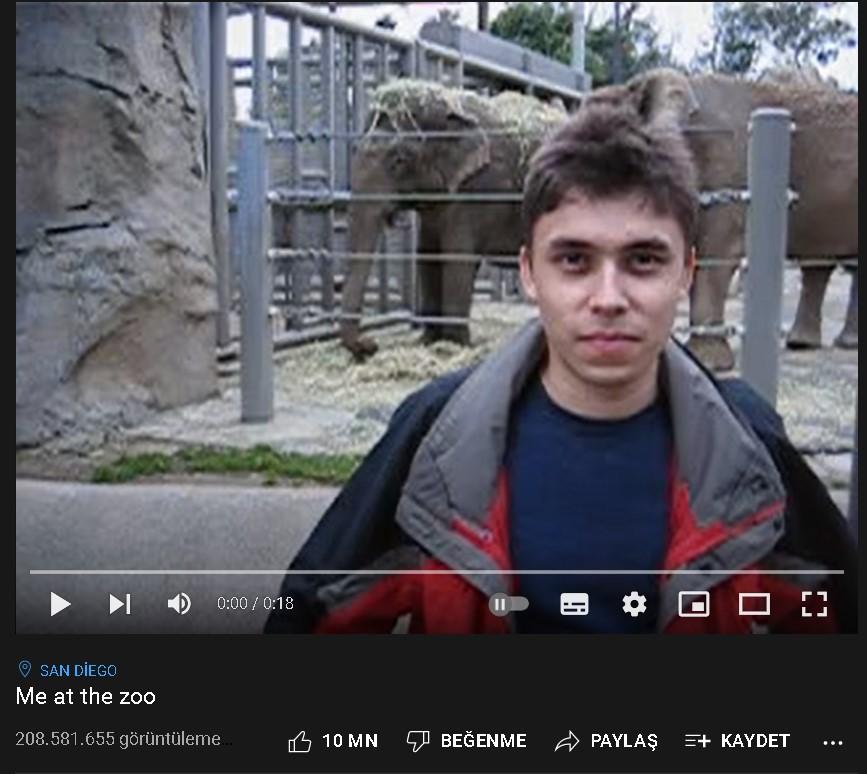
On April 23, 2005, a quiet but powerful moment reshaped the digital world. A simple 18-second video titled “Me at the Zoo” appeared online. At first glance, it looked ordinary. A young man stood in front of elephants at a zoo. He spoke casually. There was no music, no editing, and no production value.
Yet, that short clip marked the birth of something extraordinary.
That video became the first upload on YouTube. It introduced a new way for people to express themselves, share experiences, and connect globally. It laid the foundation for one of the most influential platforms in internet history.
Today, billions of videos are uploaded every day. But everything started with that one moment.
Who Is Jawed Karim?
Jawed Karim is one of YouTube’s co-founders. He played a key role in creating the platform alongside Chad Hurley and Steve Chen.
Karim had a vision. He saw a gap in how people shared videos online. At the time, uploading videos was complicated. There were technical barriers. Streaming was not smooth. Sharing content required advanced skills.
Karim wanted something simpler.
He envisioned a platform where anyone could upload a video in seconds. No coding. No special tools. Just click, upload, and share.
That idea changed everything.
The Story Behind “Me at the Zoo”
The first YouTube video was not planned as a historic moment. It was spontaneous and natural.
Jawed Karim visited the San Diego Zoo. Standing in front of elephants, he recorded himself speaking about their trunks. That was it. No script. No intention to go viral.
Yet, the video became iconic.
Why?
Because it represented authenticity. It showed that content did not need to be perfect. It just needed to be real.
That concept became the foundation of YouTube culture.
The Birth of YouTube
YouTube officially launched in 2005. The founders aimed to solve a simple problem: sharing videos online was too difficult.
At the time, websites did not support easy video uploads. File sizes were limited. Streaming quality was poor. Platforms were not user-friendly.
YouTube changed that by offering:
- Easy video uploads
- Simple sharing through links
- Built-in video playback
- Accessible interface for everyone
These features made video sharing effortless. Anyone with a camera could become a creator.
Why April 23, 2005 Matters
That date marks more than just the first upload. It represents a shift in digital communication.
Before YouTube, content was controlled by large media companies. Television networks decided what people watched. Film studios controlled storytelling.
After YouTube, everything changed.
People gained the power to create and share content freely. Voices that were once unheard found a global audience.
April 23, 2005, became the starting point of user-generated content at scale.
The Rise of User-Generated Content
YouTube transformed viewers into creators.
Instead of consuming content passively, people began to participate actively. They recorded videos, shared opinions, and built communities.
This shift led to:
- The rise of vloggers
- Educational content creators
- Gaming streamers
- DIY experts
- Influencers
User-generated content became the backbone of the internet.
From Simple Clips to Global Influence
The first video was simple. But its impact was massive.
Over time, YouTube evolved into a powerful platform that influences:
- Entertainment
- Education
- Marketing
- News distribution
- Social trends
Creators now reach millions of viewers worldwide. Some even build careers entirely on YouTube.
What started as a casual zoo video became a multi-billion-dollar ecosystem.
Google’s Acquisition and Growth
In 2006, Google acquired YouTube for $1.65 billion.
At the time, some people questioned the decision. But it quickly proved to be one of the smartest moves in tech history.
Google helped YouTube scale rapidly. It improved infrastructure, enhanced video quality, and introduced monetization features.
This allowed creators to earn money from their content. The platform grew exponentially.
The Evolution of Content Creation
YouTube reshaped how content is created and consumed.
Before YouTube:
- Content required expensive equipment
- Distribution was limited
- Opportunities were restricted
After YouTube:
- Anyone could create content
- Distribution became global
- Opportunities expanded
This democratization of content changed industries forever.
The Birth of Influencer Culture
YouTube played a major role in the rise of influencers. Creators built loyal audiences. They developed personal brands. They influenced opinions and trends.
This led to new career paths, including:
- YouTubers
- Content strategists
- Social media managers
- Digital marketers
Influencer culture now dominates online platforms.
The Power of Authenticity
“Me at the Zoo” succeeded because it was authentic.
That principle still applies today.
Audiences connect with real people. They value honesty over perfection. They prefer relatable content over polished productions.
YouTube continues to reward authenticity.
How YouTube Changed Entertainment
Traditional media once controlled entertainment. YouTube disrupted that model.
Now:
- Independent creators produce viral content
- Web series rival television shows
- Music artists gain fame online
- Comedians build audiences without networks
YouTube became a global stage.
Educational Impact of YouTube
YouTube is not just for entertainment. It is also a powerful educational tool.
People learn new skills every day through videos.
Popular categories include:
- Tutorials
- Language learning
- Coding lessons
- Academic explanations
- DIY projects
YouTube has become a global classroom.
The Algorithm Revolution
YouTube introduced algorithms that recommend content.
These algorithms analyze user behavior. They suggest videos based on interests.
This keeps viewers engaged. It also helps creators reach the right audience.
However, it also raises questions about:
- Content visibility
- Algorithm bias
- Viewer behavior
Despite challenges, algorithms drive YouTube’s success.
The Impact on Social Media
YouTube influenced the development of other platforms.
Many features we see today originated from YouTube, including:
- Video sharing
- Subscriptions
- Comments and engagement
- Creator monetization
Platforms like TikTok, Instagram, and Facebook built on these ideas.
The Economic Impact of YouTube
YouTube created a new digital economy.
Creators earn money through:
- Ads
- Sponsorships
- Memberships
- Merchandise
Entire businesses now revolve around content creation.
The creator economy continues to grow rapidly.
Challenges Faced by YouTube
Despite its success, YouTube faces challenges.
These include:
- Content moderation
- Copyright issues
- Misinformation
- Platform policies
Balancing freedom and responsibility remains a key concern.
The Cultural Impact of YouTube
YouTube shapes global culture.
It influences:
- Trends
- Language
- Music
- Fashion
Memes, viral videos, and challenges spread rapidly through the platform.
It connects people across cultures.
The Legacy of “Me at the Zoo”
That first video still exists today.
It serves as a reminder of humble beginnings.
It shows that big ideas often start small.
Without “Me at the Zoo,” YouTube might not exist as we know it.
Lessons for Content Creators
The story of YouTube’s first video offers valuable lessons:
- Start simple
- Focus on authenticity
- Share your perspective
- Be consistent
- Engage with your audience
Success does not require perfection.
It requires action.
The Future of YouTube
YouTube continues to evolve.
Future trends include:
- AI-generated content
- Virtual reality videos
- Interactive experiences
- Enhanced monetization
The platform remains at the forefront of digital innovation.
Frequently Asked Questions
What was the first YouTube video?
The first YouTube video was “Me at the Zoo,” uploaded by Jawed Karim on April 23, 2005.
Who created YouTube?
YouTube was created by Jawed Karim, Chad Hurley, and Steve Chen.
Why is “Me at the Zoo” important?
It marked the beginning of user-generated video content on a global scale.
How long is the first YouTube video?
The video is 18 seconds long.
When did Google buy YouTube?
Google acquired YouTube in 2006.
How did YouTube change the internet?
It made video sharing easy and accessible to everyone.
Can anyone upload videos on YouTube?
Yes, anyone with an account can upload videos.
How do YouTubers make money?
They earn through ads, sponsorships, and other monetization methods.
Is YouTube still growing?
Yes, it continues to expand and evolve globally.
What can we learn from the first video?
That simple ideas can lead to massive change.
A Small Clip That Sparked a Global Shift
The first YouTube video may seem simple, but its impact is profound. It transformed how people communicate, learn, and entertain themselves. From a short clip at the zoo to a global platform, YouTube proves that innovation often begins with a single idea.
You may also be interested in: 8 Qualities Women Often Value Most in a Long-Term Partner
⚠️ Disclaimer and Source Hygiene
This article is for informational purposes only. It is based on research from publicly available and authoritative sources. For professional or technical advice, consult qualified experts in digital media or technology.
🔔 For more tutorials like this, consider subscribing to our blog.
📩 Do you have questions or suggestions? Leave a comment or contact us!
🏷️ Tags: YouTube history, first YouTube video, Jawed Karim, Me at the Zoo, digital revolution, content creation, social media evolution, online video, creator economy, internet milestones
📢 Hashtags: #YouTube #FirstYouTubeVideo #MeAtTheZoo #JawedKarim #InternetHistory #DigitalRevolution #ContentCreation #SocialMedia #OnlineVideo #CreatorEconomy
📚 Sources and References
- YouTube Official Platform History
- Google Corporate Announcements
- Interviews with YouTube Founders
- Tech industry reports on digital media evolution
🕊️ Secondary Sources and Testimonials
- Creator interviews and case studies
- Digital marketing insights
- Online community discussions about early YouTube experiences
