

⏲️ Estimated reading time: 6 min
Table of Contents
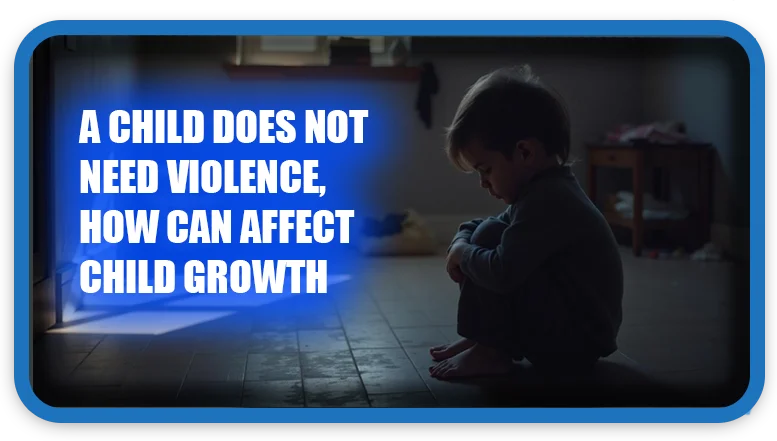
🚨 Violence and Child Development: Understanding the Negative Effects. Violence has devastating effects on a child’s growth and development. From emotional distress to academic struggles, its impact can last a lifetime. Learn how exposure to violence affects children and why creating a safe environment is essential for healthy growth.
Child Development
Every child deserves to grow up in an environment filled with love, safety, and encouragement. However, when children are exposed to violence whether at home, in school, or in their communities their growth and development can be profoundly disrupted. Violence not only leaves physical scars but also deeply influences emotional, cognitive, and social well-being. Over time, this exposure can create patterns that extend into adulthood, shaping future behaviors, relationships, and opportunities.
In this post, we will explore in detail how violence affects child development. We will examine the psychological, behavioral, physical, and academic consequences, while also providing insights into how a nurturing environment fosters resilience, empathy, and success.
Why Violence is Never Necessary in Raising a Child
Violence, whether physical, verbal, or psychological, is sometimes mistakenly seen as a way of disciplining or controlling children. However, research consistently shows that violent approaches undermine growth rather than strengthen it. Children thrive in environments where they feel secure, respected, and understood. Exposure to violence leads to confusion, insecurity, and fear, creating barriers to healthy development.
A safe environment, on the other hand, promotes confidence, builds resilience, and nurtures empathy. It allows children to explore the world, learn effectively, and form strong, healthy relationships.
Emotional Distress
One of the most immediate consequences of violence is emotional instability. Children exposed to violent behavior often develop:
- Anxiety – They may constantly fear future incidents, making them hypervigilant.
- Depression – Feelings of sadness, hopelessness, and low self-worth often arise.
- Emotional numbing – Some children suppress feelings to cope, leading to long-term mental health issues.
When emotional health is compromised, children struggle to manage daily stress and may carry these burdens into adolescence and adulthood.

Behavioral Problems
Violence teaches children harmful patterns of behavior. Instead of learning how to express themselves constructively, they may:
- Exhibit aggression toward peers or siblings.
- Have difficulty managing anger, leading to conflicts at school or home.
- Struggle with respecting authority figures such as teachers or caregivers.
Over time, these behaviors can alienate them from their support networks, leading to further isolation and risky choices.
Cognitive Development
A child’s brain is highly sensitive to stress. Continuous exposure to violent environments disrupts normal cognitive growth by:
- Reducing attention span, making learning difficult.
- Affecting memory and retention, which are crucial for school performance.
- Slowing problem-solving abilities, hindering creativity and adaptability.
This cognitive disruption explains why children from violent homes often underperform academically despite having potential.
Physical Health Issues
The mind and body are closely connected. Chronic stress caused by violence can manifest physically in children. Common health issues include:
- Headaches and frequent stomachaches.
- Sleep disturbances, including nightmares and insomnia.
- Weakened immune systems, making them more susceptible to illnesses.
Long-term stress may even contribute to cardiovascular problems later in life.
Attachment Issues
Secure attachment to caregivers is a cornerstone of healthy childhood development. When violence interferes with this bond, children may:
- Become fearful of closeness and resist emotional connections.
- Exhibit clingy or avoidant behavior, unsure of how to seek comfort.
- Struggle with trust, which can hinder future romantic and social relationships.
This difficulty in building strong attachments carries forward into adulthood, affecting friendships, marriage, and parenting.
Desensitization
Repeated exposure to violence can normalize harmful behaviors. Instead of rejecting violence, children may:
- Accept it as part of daily life.
- Reproduce violent behaviors with peers or siblings.
- Grow up believing that aggression is a valid method of solving conflicts.
This cycle often perpetuates generational violence, making intervention crucial.
Increased Risk of Future Violence
Children who experience violence are at higher risk of engaging in or becoming victims of violence in the future. Studies show that:
- Boys exposed to domestic violence may grow up more likely to abuse partners.
- Girls may normalize victimization, tolerating unhealthy relationships.
- Communities with higher exposure often see increased rates of youth crime.
Breaking this cycle requires early prevention and supportive environments.
Developmental Delays
The trauma of violence can slow overall development, leading to:
- Delayed speech and communication skills.
- Poor motor development, particularly in toddlers.
- Social immaturity, making it hard to interact appropriately with peers.
These delays affect not only academic progress but also long-term career and social opportunities.
Academic Challenges
Education is a vital pathway to success, but children affected by violence often face significant academic obstacles:
- Inability to focus during lessons.
- Frequent absenteeism due to fear or stress-related illness.
- Lower grades, which reduce future opportunities.
Teachers often notice that children exposed to violence appear distracted, tired, or withdrawn, making it difficult to engage in learning.
Social Isolation
Children who live with or witness violence often withdraw socially. They may:
- Avoid friendships out of fear or distrust.
- Struggle to participate in group activities.
- Experience loneliness and exclusion.
This isolation compounds emotional distress and reduces opportunities for social learning and support.
Building a Nurturing Environment
If violence damages growth, what can replace it? The answer is a nurturing and supportive environment built on:
- Positive discipline – Using guidance and communication instead of punishment.
- Emotional validation – Acknowledging children’s feelings and teaching them healthy expression.
- Consistency and stability – Creating routines that provide security and predictability.
- Encouragement – Praising effort, not just achievement, to build resilience.
These approaches foster confidence, empathy, and problem-solving skills that last a lifetime.
Role of Parents, Schools, and Communities
Preventing violence requires collective effort:
- Parents should model calm conflict resolution and provide emotional support.
- Schools must create safe spaces, train teachers to recognize signs of abuse, and promote anti-bullying initiatives.
- Communities should provide accessible counseling, mentorship programs, and family support services.
When these pillars work together, children can grow up in environments where they feel valued, respected, and safe.
🟢 Final Thoughts
Violence is never an acceptable or necessary part of a child’s development. Its effects ranging from emotional distress to academic struggles can last a lifetime if left unaddressed. Yet, with early intervention, nurturing care, and community support, children can heal and thrive. Every child has the right to grow up in peace, surrounded by love and guidance. It is our collective responsibility to provide that safe foundation.
See also: Tragic Crime in Brazil: Lessons on Justice and Society
⚠️ Disclaimer and Source Hygiene
The information provided in this post is for educational and informational purposes only and is not a substitute for professional advice. If you suspect a child is experiencing violence or is in danger, or if you need mental health support, please contact a qualified professional or a local child protection service immediately.
🔔 For more tutorials like this, consider subscribing to our blog.
📩 Do you have questions or suggestions? Leave a comment or contact us!
🏷️ Tags: child development, effects of violence, child psychology, parenting tips, emotional well-being, education challenges, childhood trauma, healthy parenting, social behavior, child growth
📢 Hashtags: #ChildDevelopment, #ParentingTips, #StopViolence, #ChildWellbeing, #HealthyParenting, #EmotionalHealth, #TraumaAwareness, #EducationMatters, #PeacefulParenting, #ProtectChildren
