


⏲️ Estimated reading time: 7 min
Table of Contents
A tragic incident in Brazil shocked communities and raised difficult questions about justice, public anger, and accountability. This article explores the events, the legal aftermath, and broader societal lessons, offering a thoughtful and respectful perspective on a deeply sensitive case.
Understanding a Tragic Event in Brazil
A Community Shaken by Violence
In September 2024, a heartbreaking incident occurred in Jutaí, a small municipality in the Amazonas region of Brazil. The case quickly drew national and international attention due to its severity and the emotional response it triggered within the local community.
At the center of this tragedy was a very young child, whose life was taken in a violent and unlawful act. The accused, a local ice cream vendor, was later taken into police custody after admitting involvement in the crime. Authorities began their investigation immediately, working to gather facts and ensure due legal process.
This case deeply affected the local population. Communities like Jutaí are often close-knit, and events of this nature can create waves of grief, anger, and confusion that spread far beyond those directly involved.
The Immediate Aftermath
Public Reaction and Emotional Response
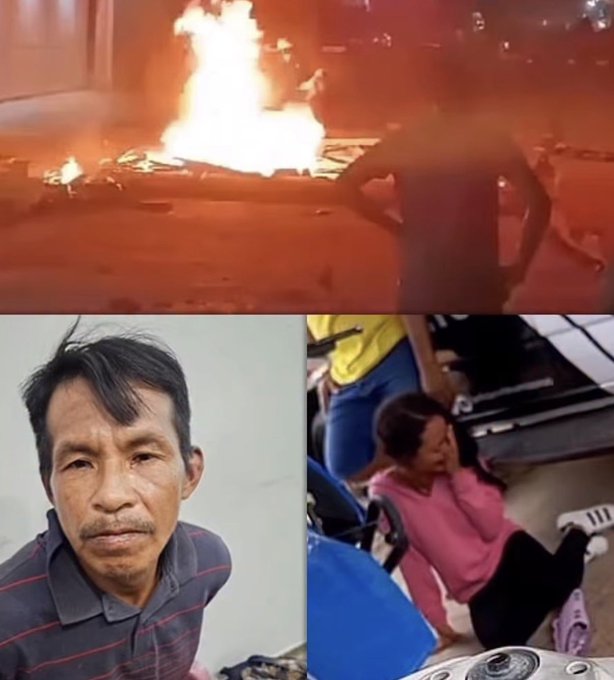
Shortly after the suspect was brought to the police station, news of the crime spread rapidly. Understandably, emotions ran high among residents. Many people gathered outside the police facility, demanding justice and accountability.
In emotionally charged situations, crowds can sometimes act impulsively. In this case, the situation escalated quickly. A group forced entry into the police station and took matters into their own hands. The suspect was removed from custody and subjected to violence by members of the crowd.
Authorities later confirmed that the situation spiraled out of control, leading to the suspect’s death. The incident unfolded publicly, and parts of it were shared widely online, amplifying its impact.
The Legal Consequences
Charges and Ongoing Investigations
Following the events, law enforcement agencies launched a second investigation. This time, the focus shifted to those involved in the mob action. Sixteen individuals were identified and now face serious legal charges related to the suspect’s death.
Among those charged was the child’s mother. Reports indicated that she had been detained for several months before being released while awaiting further legal proceedings. Her situation has drawn significant attention, as it highlights the complex intersection of grief, justice, and the law.
Legal experts emphasize that even in cases involving intense emotional distress, individuals must follow the rule of law. Vigilante actions, regardless of motive, are treated as criminal offenses under Brazilian law.
Justice System vs. Vigilante Action
Why Due Process Matters
The justice system is designed to ensure fairness, accountability, and protection of rights for all individuals. When legal processes are bypassed, it can lead to further harm and complications.
Vigilante justice often arises from frustration or a lack of trust in institutions. However, it carries serious risks:
- Innocent people may be harmed
- Evidence may be lost or compromised
- Legal clarity becomes more difficult
- Additional crimes are committed
In this case, what began as a demand for justice resulted in further loss of life and additional legal consequences for many involved.
The Role of Law Enforcement
Challenges in Crisis Situations
Police forces, particularly in smaller or remote regions, often face logistical challenges. Limited resources, staffing constraints, and infrastructure issues can make it difficult to manage large crowds or highly emotional situations.
In Jutaí, authorities are now reviewing what happened inside and outside the police station. Questions have been raised about:
- Security protocols
- Crowd control measures
- Response times
- Communication with the public
These reviews are essential to prevent similar incidents in the future and to strengthen public trust in law enforcement.
The Power of Social Media
How Online Sharing Amplifies Events
The rapid spread of information played a major role in this case. Videos and updates circulated widely on social platforms, bringing global attention to the tragedy.
While social media can help raise awareness, it also presents challenges:
- Misinformation can spread quickly
- Graphic content may be shared without context
- Emotional reactions can escalate
- Privacy concerns arise
Responsible sharing and consumption of information are critical, especially during sensitive situations.
Emotional Impact on Families and Communities
Grief, Anger, and Healing
The emotional toll of such events is immense. Families affected by violence experience deep grief that can last a lifetime. Communities also suffer, particularly when the incident becomes widely known.
See also: Kyiv Hit by Massive Russian Missile and Drone Strike
Common emotional responses include:
- Shock and disbelief
- Anger and frustration
- Fear and insecurity
- A desire for justice
Support systems, including counseling services and community outreach, play an important role in helping people cope and begin healing.
Balancing Justice and Compassion
Understanding Human Reactions
While the law must be upheld, it is also important to recognize the emotional context in which people act. The loss of a loved one, especially under tragic circumstances, can lead to overwhelming feelings.
However, societies function best when:
- Laws are respected
- Justice is carried out fairly
- Emotions are acknowledged but not allowed to drive harmful actions
This balance is difficult but essential.
Preventing Future Tragedies
Steps Toward Safer Communities
To reduce the likelihood of similar events, several measures can be considered:
Strengthening Law Enforcement
- Better training in crisis management
- Improved infrastructure and resources
- Clear communication strategies
Community Education
- Awareness of legal rights and responsibilities
- Programs promoting conflict resolution
- Encouraging trust in institutions
Mental Health Support
- Access to counseling services
- Community support groups
- Early intervention programs
Responsible Media Practices
- Ethical reporting standards
- Limiting the spread of harmful content
- Promoting factual information
Cultural and Legal Perspectives
How Different Societies Respond to Crime
Responses to crime vary widely across cultures and legal systems. In some areas, public reactions can be influenced by:
- Historical distrust in institutions
- Cultural attitudes toward justice
- Socioeconomic conditions
Understanding these factors helps explain why incidents like this occur and how they can be addressed more effectively.
Frequently Asked Questions
What happened in Jutaí, Brazil?
A tragic crime involving a young child led to the arrest of a suspect. Later, a crowd intervened and caused the suspect’s death, resulting in additional legal cases.
Why are multiple people facing charges?
Authorities identified individuals involved in the mob action, and they are now facing charges related to unlawful violence.
Was the victim’s family involved?
Yes, reports indicate that the child’s mother was among those charged, though legal proceedings are ongoing.
What is vigilante justice?
It refers to individuals taking the law into their own hands instead of relying on the legal system.
Is vigilante action legal?
No, it is generally considered a criminal act in most legal systems, including Brazil.
What role did social media play?
It helped spread information quickly but also amplified emotional reactions and public attention.
How are authorities responding?
Investigations are ongoing into both the original crime and the subsequent mob action.
What lessons can be learned?
The importance of due process, responsible communication, and community support systems.
How can communities prevent similar incidents?
By strengthening trust in institutions, improving education, and providing mental health support.
Key Reflections on Justice and Society
A Difficult but Necessary Conversation
This case highlights the complex relationship between justice, emotion, and societal response. It reminds us that while anger and grief are natural, actions taken in those moments can have lasting consequences.
Building safer communities requires:
- Trust in legal systems
- Strong institutional frameworks
- Compassionate support for victims
- Responsible public behavior
Only by addressing these areas can societies move forward and reduce the risk of similar tragedies.
⚠️ Disclaimer and Source Hygiene
This article discusses a sensitive real-world incident and is intended for informational and educational purposes only. Readers are encouraged to consult legal professionals or official authorities for specific guidance. Information presented here is based on publicly available reports and reputable sources.
🔔 For more tutorials like this, consider subscribing to our blog.
📩 Do you have questions or suggestions? Leave a comment or contact us!
🏷️ Tags: Brazil crime case, vigilante justice, legal system, community response, crime awareness, law enforcement, justice system, social impact, public safety, crime prevention
📢 Hashtags: #BrazilNews #JusticeSystem #CrimeAwareness #PublicSafety #LawAndOrder #CommunityImpact #SocialIssues #LegalEducation #HumanRights #StayInformed
📚 Sources and References
- Public law enforcement briefings
- Regional news coverage from Brazil
- Legal analysis articles on vigilante justice
- Academic resources on community response to crime
🕊️ Secondary Sources and Testimonials
- Expert commentary from legal professionals
- Community outreach perspectives
- Social impact studies on crime and justice systems
