


⏲️ Estimated reading time: 6 min
Table of Contents
At least 35 passengers are missing after a bus plunged into the Padma River in Bangladesh. As rescue efforts continue, the tragedy highlights deeper issues about safety, overcrowding, and how fragile human life can be in dangerous conditions.
Padma River Bus Tragedy: A Heartbreaking Incident in Bangladesh. The Incident That Shook Bangladesh
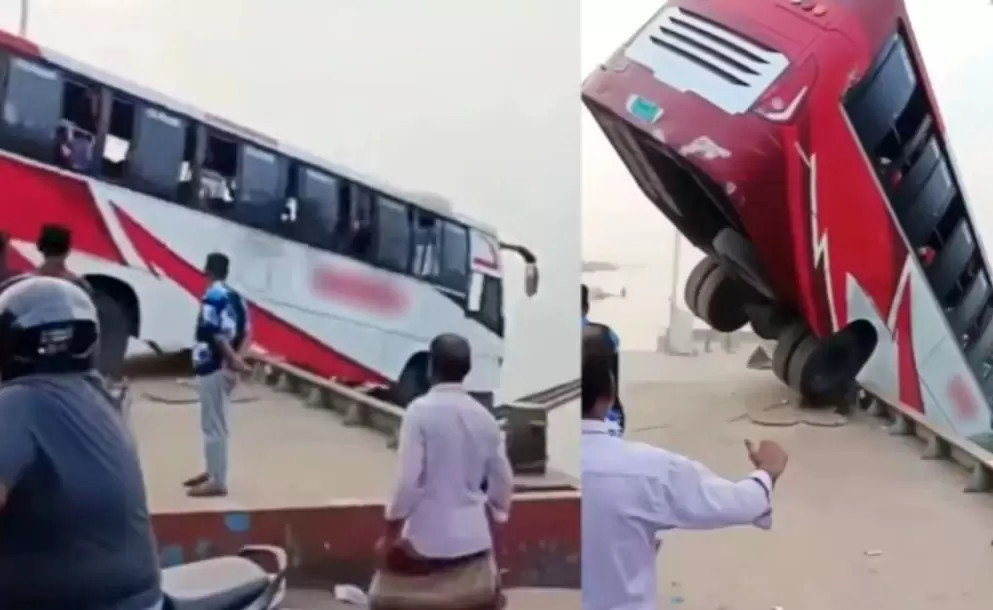
A devastating accident unfolded at Daulatdia Ghat, one of the busiest ferry terminals in Bangladesh. A passenger bus, reportedly carrying dozens of people, plunged into the massive waters of the Padma River.
Initial reports confirmed that at least 35 passengers are missing. Rescue teams managed to recover two bodies, while many others remain unaccounted for. Families now stand at the riverbanks, hoping for a miracle that may never come.
This tragedy is not just about numbers. It is about human lives, stories interrupted, and families left broken in seconds.
What Happened at Daulatdia Ghat
A Routine Journey Turned Fatal
The bus was reportedly waiting to board a ferry at Daulatdia Ghat, a location known for its heavy congestion and chaotic movement of vehicles. Witnesses say the vehicle suddenly lost control and plunged directly into the river.
Within seconds, the bus disappeared beneath the surface.
Passengers inside had little to no time to react.
Overcrowding and Poor Infrastructure
Daulatdia Ghat is infamous for:
- Extreme congestion
- Long waiting hours
- Limited safety barriers
- Poor traffic management
These factors often create a dangerous environment where one mistake can lead to catastrophic consequences.
Rescue Operations: A Race Against Time
Who Is Involved in the Rescue?
Rescue efforts include:
- Local divers
- Fire service teams
- Fishermen from nearby villages
- Authorities from regional emergency services
Despite their efforts, strong currents in the Padma River make the mission extremely difficult.
Why Rescue Is So Difficult
The Padma River is not an ordinary river. It is:
- Deep and wide
- Known for unpredictable currents
- Often murky, reducing visibility
These conditions slow down recovery operations and reduce survival chances significantly after the first few minutes.
Human Lives Behind the Headlines
Families Waiting in Despair
Behind every number is a person:
- A father returning home
- A student traveling for studies
- A worker heading to a job
Families gathered near the riverbank are living through unimaginable pain. Some cling to hope, while others are already preparing for loss.
The Emotional Weight of Sudden Tragedy
Sudden accidents like this create deep psychological trauma:
- Shock and disbelief
- Long-term grief
- Survivor’s guilt for those who escape
These are invisible wounds that last far longer than the headlines.
“People Live Like Cockroaches and Die Like Cockroaches” – A Harsh Reality
Understanding the Meaning Behind the Words
The phrase may sound brutal, but it reflects frustration and reality in some parts of the world.
It points to:
- Overcrowded living conditions
- Lack of safety measures
- Systems that fail to protect human life
In places where infrastructure struggles to keep up with population demands, human life can feel dangerously fragile.
Why This Mindset Exists
In developing regions, many people face:
- Limited transportation options
- Economic pressure forcing risky travel
- Weak enforcement of safety regulations
People do not choose danger. Often, they have no safer alternative.
The Bigger Problem: Transportation Safety in Bangladesh
A Pattern of Accidents
Unfortunately, this is not an isolated case. Bangladesh has faced multiple transportation accidents over the years involving:
- Buses
- Ferries
- Boats
Many incidents share common causes:
- Overcrowding
- Lack of regulation enforcement
- Poor vehicle maintenance
What Needs to Change
To prevent such tragedies:
- Stronger safety regulations must be enforced
- Infrastructure must improve
- Training for drivers and operators must be enhanced
- Emergency response systems must be modernized
Could This Tragedy Have Been Prevented?
Warning Signs Were Already There
Locations like Daulatdia Ghat have long been known as high-risk zones.
The absence of:
- Protective barriers
- Clear traffic control systems
- Strict boarding protocols
…makes accidents like this almost inevitable.
Prevention Is Always Cheaper Than Tragedy
Investing in safety measures costs far less than the human and emotional cost of disasters. Yet, prevention often comes too late.
The Role of Authorities and Accountability
Who Is Responsible?
Responsibility may fall on multiple parties:
- Transport authorities
- Local government
- Bus operators
- Infrastructure planners
Each plays a role in ensuring passenger safety.
The Need for Accountability
Without accountability:
- Mistakes repeat
- Systems remain broken
- Lives continue to be lost
Real change begins only when responsibility is acknowledged.
Global Perspective: Not Just a Local Problem
Similar Incidents Around the World
Tragedies like this have happened globally:
- Ferry accidents in Southeast Asia
- Bus crashes in mountainous regions
- Overcrowded transport disasters in urban areas
This shows that the issue is not limited to one country.
A Universal Lesson
Every tragedy carries the same message: Human life must never be treated as expendable.
Frequently Asked Questions
What caused the bus to fall into the river?
The exact cause is still under investigation, but early reports suggest loss of control and lack of proper safety barriers.
How many people are missing?
At least 35 passengers are reported missing.
How many bodies have been recovered?
So far, two bodies have been recovered.
Where did the accident happen?
At Daulatdia Ghat in Bangladesh.
Why is the rescue operation difficult?
Strong currents, deep water, and low visibility in the Padma River make rescue efforts challenging.
Are such accidents common in Bangladesh?
Unfortunately, transportation accidents involving buses and ferries are not uncommon.
Could passengers have survived?
Survival chances decrease rapidly after submersion, especially in strong river currents.
What safety measures could prevent such incidents?
Better infrastructure, strict regulation enforcement, and improved emergency systems.
Who is conducting the rescue operation?
Local authorities, divers, and emergency services are involved.
What is the current status?
Rescue operations are ongoing, and many passengers are still missing.
A Tragedy That Demands Change
This incident is more than just news. It is a reflection of deeper systemic issues. When people are forced to travel in unsafe conditions, tragedies become predictable rather than accidental. The painful truth is that no one should live or die like this.
Every life deserves protection, dignity, and safety.
Read also: Perez Hilton Treated After Disturbing Livestream Incident
⚠️ Disclaimer and Source Hygiene
This article is based on publicly available reports and general research about transportation safety. For official updates, consult local authorities and verified news sources.
🔔 For more tutorials like this, consider subscribing to our blog.
📩 Do you have questions or suggestions? Leave a comment or contact us!
🏷️ Tags: Padma River accident, Bangladesh bus tragedy, Daulatdia Ghat incident, river accidents, transport safety, bus crash Bangladesh, ferry terminal safety, emergency rescue, infrastructure issues, global accidents
📢 Hashtags: #Bangladesh #PadmaRiver #BusAccident #BreakingNews #TransportSafety #RescueOperation #Tragedy #Infrastructure #GlobalIssues #HumanLife
📚 Sources and References
- Local news reports from Bangladesh
- Emergency service updates
- Transportation safety studies
🕊️ Secondary Sources and Testimonials
- Eyewitness accounts from Daulatdia Ghat
- Statements from rescue workers
- Public reactions and social media discussions
