


⏲️ Estimated reading time: 6 min
Table of Contents
The U.S. Department of Justice has released over 3.5 million pages from the Epstein files under a new transparency law. The documents revive questions about Jeffrey Epstein’s death, powerful connections, surveillance failures, and why accountability still feels incomplete.
🔍 Epstein Files Released: Inside the 3.5 Million Pages That Reignited Global Questions. A Historic Document Release That Shook Washington
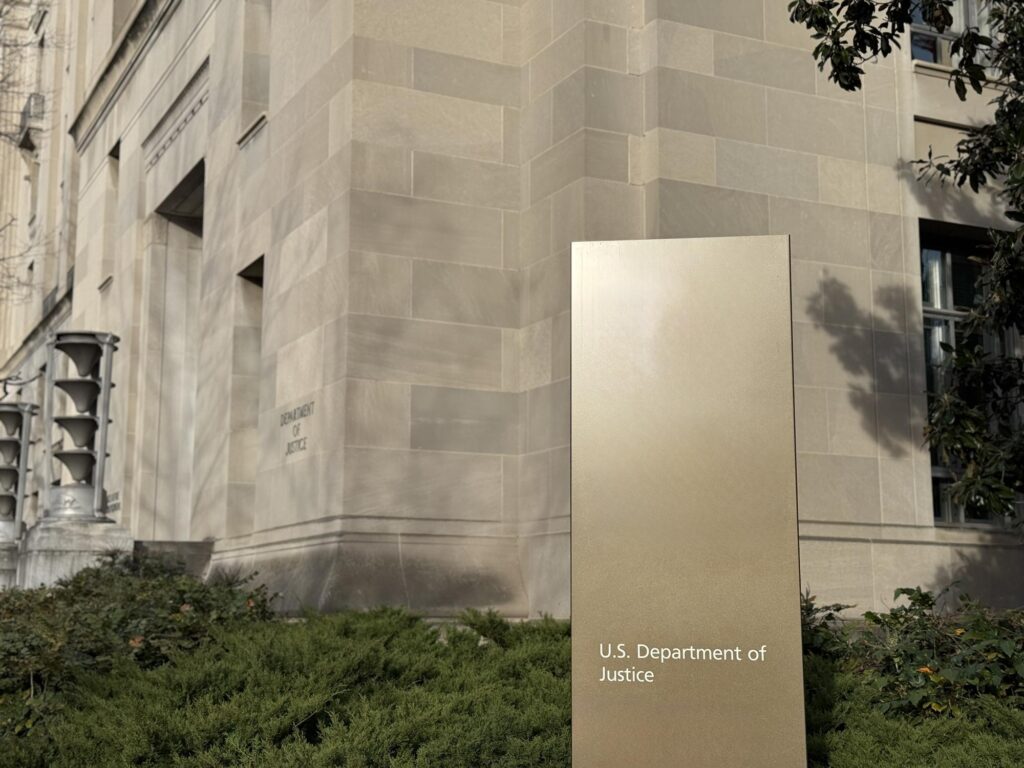
In early 2025, the U.S. Department of Justice released more than 3.5 million pages of documents tied to the Jeffrey Epstein investigations.
This unprecedented disclosure followed the passage of the 2025 Epstein Files Transparency Act, a law designed to force long-delayed openness around one of the most disturbing criminal cases in modern American history.
The files cover:
- Epstein’s Florida and New York criminal cases
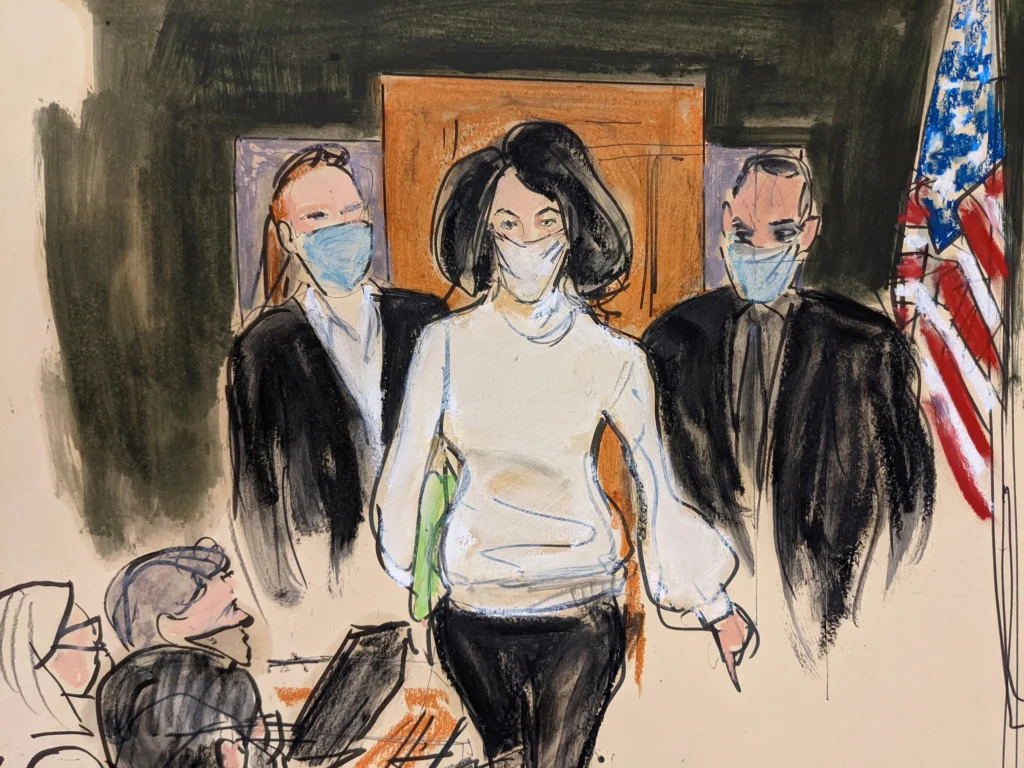
- The full scope of Ghislaine Maxwell’s trial
- Internal records surrounding Epstein’s death at the Metropolitan Correctional Center
While many hoped for closure, the documents instead reopened wounds and intensified suspicion.
What Is the 2025 Epstein Files Transparency Act?
The Transparency Act was passed after years of pressure from:
- Victims’ rights groups
- Investigative journalists
- Bipartisan lawmakers
Its purpose was simple in theory:
Expose what the public was never meant to see.
The law mandated:
- Full release of investigative records
- Removal of excessive redactions
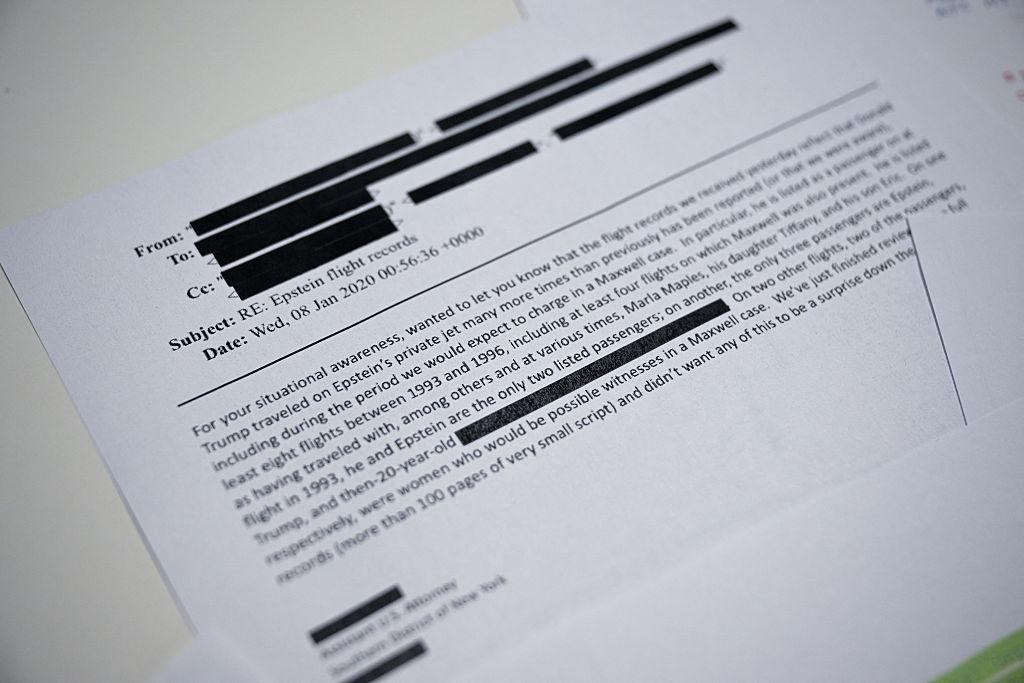
- Disclosure of internal communications
Yet as the pages became public, it became clear that transparency does not always equal clarity.
Inside the Newly Released Epstein Documents
The scale of the release alone is staggering. Millions of pages include:
- Emails
- Guard statements
- Autopsy-related materials
- Surveillance logs
- Trial exhibits
Despite the volume, the documents raise more questions than they answer.
The Night of August 9, 2019: Still No Clear Answers
Jeffrey Epstein was found dead in his cell at the Metropolitan Correctional Center on August 10, 2019.
According to official reports, the time window of interest centers around 10:39 p.m. on August 9.
The Blurry Surveillance Footage
One of the most anticipated pieces of evidence was jail surveillance video.
What emerged instead was deeply unsettling.
- The footage is blurry and incomplete
- A mysterious shape appears near Epstein’s cell
- The video does not clearly identify any individual
- Crucial angles appear missing
Experts reviewing the footage say it is insufficient for definitive conclusions.

Guards Asleep and Falsified Checks
The documents confirm what had long been rumored.
Two correctional officers:
- Admitted falling asleep
- Falsified mandatory inmate checks
- Failed to conduct required rounds
These admissions appear repeatedly throughout internal reports and sworn statements.
The implications are severe:
- Epstein was left unsupervised for hours
- Safety protocols were systematically ignored
- Oversight failures were never adequately explained
Conflicting Accounts of the Noose
Perhaps most disturbing are the contradictions surrounding the alleged noose.
The files reveal:
- Multiple descriptions of the ligature
- Disagreements about its construction
- Inconsistent timelines for discovery
Some accounts describe:
- A bedsheet torn into strips
Others suggest:
- A different material altogether
These inconsistencies have fueled years of speculation and the documents offer no final resolution.
Epstein’s Network: Emails With Influential Figures
Beyond the death itself, the files expose Epstein’s extensive contact list.
Academic Correspondence Revealed
Among the newly released emails are communications with:
- Mitchell D. Webber
- Mark J. Tramo
The emails show:
- Discussions about research
- Invitations to events
- Professional exchanges
Importantly, no criminal wrongdoing is alleged in these communications.
Still, the connections highlight how Epstein moved freely among elite academic circles long after his prior conviction.
The Role of Power and Influence
The files reinforce a central theme of the Epstein case:
Access to power often shields accountability.
Despite being a registered sex offender, Epstein maintained:
- High-level social ties
- Financial influence
- Continued access to institutions
This raises difficult questions about:
- Background checks
- Ethical blind spots
- Institutional responsibility
Congress Steps In: Depositions Planned
The document release has triggered renewed congressional action.
Lawmakers announced plans to seek depositions from:
- Bill Clinton
- Hillary Clinton
- Ghislaine Maxwell
What These Depositions Mean
These depositions are not criminal charges.
They are part of an effort to:
- Establish timelines
- Clarify relationships
- Address inconsistencies
Victims’ advocates stress that testimony under oath is long overdue.

Victims’ Voices: Still Waiting for Justice
Survivors of Epstein’s abuse have responded with mixed emotions.
Many say:
- The document release validates long-held concerns
- Institutional failures are now undeniable
Others express frustration:
- Accountability remains elusive
- Powerful figures still avoid consequences
For victims, transparency without justice feels incomplete.
Why the Epstein Case Still Matters
This case is no longer just about one man.
It represents:
- Systemic failures in corrections
- The dangers of unchecked privilege
- The cost of secrecy in justice systems
The Epstein files have become a case study in how institutions can fail the most vulnerable.
Media, Misinformation, and Public Trust
The massive release also created challenges.
Millions of pages mean:
- Selective interpretation
- Viral misinformation
- Out-of-context claims
Responsible analysis requires patience, verification, and restraint qualities often missing in social media cycles.
What Happens Next?
Several outcomes are possible:
- Additional hearings
- Further document releases
- Civil litigation against institutions
Yet many experts warn that without sustained pressure, momentum could fade once again.
Frequently Asked Questions
Q1: Why were the Epstein files released in 2025?
The release was mandated by the 2025 Epstein Files Transparency Act to increase public accountability.
Q2: Do the documents prove Epstein was murdered?
No. The files raise questions but do not provide definitive proof of homicide.
Q3: Was the surveillance footage altered?
The footage is incomplete and blurry, but no conclusive evidence of tampering has been confirmed.
Q4: Are new criminal charges expected?
At this time, no new charges have been announced.
Q5: Why are the Clintons being deposed?
Congress seeks sworn testimony to clarify timelines and associations.
Q6: Did academics knowingly assist Epstein?
There is no evidence of criminal wrongdoing in the academic emails released.
Q7: Why did guards falsify records?
The documents suggest negligence and systemic staffing failures.
Q8: Will more files be released?
Lawmakers and advocates continue pushing for additional disclosures.
Q9: How does this affect Epstein’s victims?
Many survivors say it validates their experiences but does not replace justice.
When Transparency Isn’t the Same as Closure
The release of 3.5 million pages was supposed to end speculation.
Instead, it confirmed something far more troubling.
The Epstein case remains unresolved not because of missing documents, but because of unanswered responsibility.
Until institutions confront their failures honestly, the truth will remain fragmented.
Read also: How to Fix “Too Many Preconnect Connections” in
⚠️ Disclaimer and Source Hygiene
This article is based on publicly released documents, court records, and reputable investigative reporting. It does not allege criminal guilt beyond established legal findings. Readers should consult official sources and legal professionals for definitive interpretations.
🔔 For more tutorials like this, consider subscribing to our blog.
📩 Do you have questions or suggestions? Leave a comment or contact us!
🏷️ Tags: Epstein files, DOJ documents, Ghislaine Maxwell, Epstein death, transparency act, political accountability, prison failures, justice system, investigative journalism, victims rights
📢 Hashtags: #EpsteinFiles #DOJ #Transparency #JusticeSystem #Accountability #InvestigativeNews #HumanRights #CourtDocuments #PoliticalPower #Truth
📚 Sources
- U.S. Department of Justice document archives
- Federal court records
- Congressional statements and hearings
- Victims’ advocacy organizations
