


⏲️ Estimated reading time: 6 min
Table of Contents
Iran’s president has declared that the country is engaged in a “full-scale” confrontation with the United States, Israel, and European powers. The statement escalates tensions across the Middle East, raising fears of wider conflict, economic disruption, cyber warfare, and intensified proxy battles that could reshape global security dynamics.
See also: Recover Windows Product Key With a VBS File
A Stark Declaration From Tehran
Iran’s leadership has sharply raised the tone of its rhetoric. Speaking publicly, President Masoud Pezeshkian said the country is already facing a “full-scale” war involving the United States, Israel, and several European Union member states.
The statement does not mean a formal declaration of war in the legal sense. Instead, it reflects Tehran’s view that confrontation now spans military pressure, sanctions, cyber operations, intelligence warfare, and regional proxy conflicts.
This framing signals a critical moment in Middle Eastern geopolitics.
What Iran Means by “Full-Scale” War
Iranian officials often use broader definitions of warfare than Western governments. In this context, “full-scale” does not refer only to tanks and missiles. It includes several overlapping battlefields.
Economic and Sanctions Warfare
Iran remains under some of the toughest sanctions regimes in modern history. These measures restrict oil exports, banking access, and international trade.
From Tehran’s perspective:
- Sanctions equal economic warfare
- Currency pressure equals social destabilization
- Energy restrictions equal strategic attack
Iranian leaders argue that Europe’s alignment with US sanctions places it firmly inside this conflict.
Military Pressure on Multiple Fronts
Iran faces constant military pressure in the region.
US Military Presence
The United States Armed Forces maintains bases across the Middle East, including in Iraq, Syria, Qatar, and Bahrain. Tehran sees these deployments as direct threats.
Israel and Covert Conflict
With Israel Defense Forces, Iran has engaged in a long-running shadow war:
- Airstrikes on Iranian-linked targets in Syria
- Alleged sabotage inside Iran
- Targeted killings of Iranian military advisers
Iran considers these actions acts of war, even if undeclared.
Europe’s Role in the Conflict
European leaders often describe themselves as mediators. Iran disagrees.
Diplomatic Breakdown
The collapse of the nuclear agreement talks has widened distrust. Tehran accuses Europe of:
- Failing to uphold economic guarantees
- Following Washington’s lead
- Providing political cover for Israel
From Iran’s viewpoint, Europe is no longer neutral.
Cyber Warfare: The Invisible Battlefield
Cyber operations are now central to modern conflict.
Iran claims it faces:
- Attacks on nuclear infrastructure
- Disruptions to fuel systems
- Espionage targeting military networks
Western intelligence agencies have also accused Iran of cyberattacks. This mutual accusation reinforces Tehran’s claim that the war is already underway.
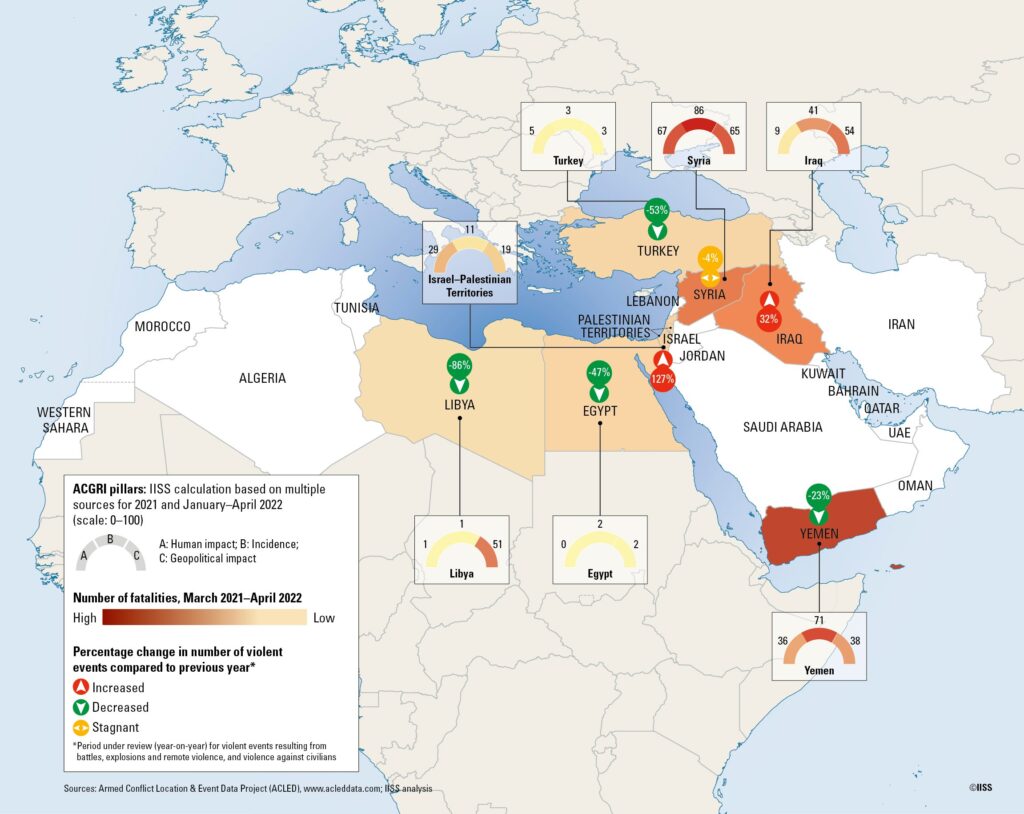
Proxy Conflicts Across the Middle East
Iran’s influence stretches through allied groups and militias.
Lebanon, Gaza, Yemen, and Iraq
Groups linked to Iran operate in:
- Southern Lebanon
- Gaza
- Yemen
- Iraq and Syria
Iran argues that attacks on these allies are indirect attacks on Iran itself. Western governments reject this framing, saying Tehran chooses escalation by supporting armed groups.
Why This Statement Matters Now
Timing is critical.
Several factors have converged:
- Rising Israel–Iran tensions
- Intensified US military readiness
- European sanctions expansion
- Growing instability in the Red Sea
Iran’s declaration signals that it expects long-term confrontation, not short-term crisis management.
Risks of Escalation
The most dangerous aspect of this situation is miscalculation.
Accidental War Scenarios
A single event could trigger open conflict:
- A deadly strike on a US base
- A direct hit on Israeli territory
- A major cyberattack on civilian infrastructure
None of the actors publicly want total war. Yet history shows that wars often begin without intent.
Global Economic Consequences
Any escalation involving Iran threatens global markets.
Energy Security at Risk
Iran sits near key shipping lanes:
- Strait of Hormuz
- Red Sea routes via allied groups
Disruption here could:
- Spike oil prices
- Increase inflation
- Destabilize emerging economies
Europe would feel these effects quickly.
How Washington Responds
The White House has not accepted Iran’s framing. US officials insist they seek deterrence, not war.
However:
- US forces remain on high alert
- Naval patrols have increased
- Diplomatic channels remain strained
Washington’s challenge is avoiding escalation while maintaining pressure.
Israel’s Strategic Calculations
For Israel, Iran represents the primary long-term threat.
Israeli officials argue:
- Iran’s regional presence is unacceptable
- Nuclear capability is a red line
- Deterrence must remain credible
This stance leaves little room for compromise.
Europe’s Dilemma
European governments face conflicting pressures.
On one side:
- Security alignment with the US
- Support for Israel
On the other:
- Energy dependence
- Fear of refugee flows
- Desire for regional stability
Iran’s statement increases pressure on Europe to clarify its position.
Is Diplomacy Still Possible?
Despite harsh rhetoric, diplomacy is not dead.
Iran has left the door open to:
- Indirect talks
- Regional security frameworks
- Economic de-escalation
Yet trust remains dangerously low.
Information Warfare and Public Messaging
Iran’s declaration is also meant for audiences beyond its borders.
It serves to:
- Signal strength to domestic audiences
- Warn adversaries against escalation
- Shape international narratives
Words themselves become weapons.
Historical Parallels
This moment echoes earlier periods:
- Cold War proxy conflicts
- US–Iran tensions after 1979
- Regional wars framed as existential struggles
History suggests such standoffs can last decades.
What Happens Next
Several paths remain possible:
- Continued low-intensity conflict
- Diplomatic re-engagement
- Sudden escalation after a trigger event
The coming months will be decisive.
Frequently Asked Questions
Is Iran officially at war with the US and Israel?
No formal declaration exists. Iran uses a broader definition of warfare that includes sanctions and proxy conflicts.
Why did Iran include Europe in its statement?
Iran accuses European countries of supporting sanctions and aligning politically with Washington and Israel.
Does this mean a regional war is imminent?
Not necessarily, but the risk of escalation has increased.
How does this affect global oil prices?
Any conflict involving Iran can disrupt shipping routes and raise prices quickly.
Are diplomatic talks ongoing?
Indirect contacts exist, but no major breakthrough has occurred.
What role do proxy groups play?
Iran sees them as defensive allies. Western states see them as destabilizing forces.
Can cyberattacks trigger real war?
Yes. Severe cyber incidents could provoke military responses.
How should civilians interpret this news?
As a warning sign of prolonged instability, not immediate invasion.
A Dangerous Phase of Global Tension
Iran’s declaration marks a shift from episodic crises to a narrative of permanent confrontation. Whether this leads to diplomacy or disaster depends on restraint, communication, and political will on all sides.
⚠️ DISCLAIMER
This article is based on publicly available statements, international reporting, and geopolitical analysis. It does not constitute legal, military, or investment advice. Readers should consult official sources and experts for professional guidance.
🔔 For more tutorials like this, consider subscribing to our blog.
📩 Do you have questions or suggestions? Leave a comment or contact us!
🏷️ Tags: Iran conflict, US Iran tensions, Israel Middle East, European sanctions, global security, geopolitics, Middle East war, international relations, energy security, cyber warfare
📢 Hashtags:
📚 Sources
International news agencies, official government statements, and geopolitical research institutes were consulted to ensure accuracy and balance.
