


⏲️ Estimated reading time: 8 min
Table of Contents
Steve Jobs’ Death – October 5, 2011: The Visionary Who Changed the World. On October 5, 2011, the world lost Steve Jobs, Apple’s co-founder and creative genius. His death marked the end of an era in technology, but his legacy continues to shape innovation, design, and how we interact with the world today.
Read also: Vitamin B Does Not Cause Neuropathy: What Really Does?
Steve Jobs’ Death – October 5, 2011: The Visionary Who Changed the World
Apple
On October 5, 2011, the world stood still. News broke that Steve Jobs, co-founder of Apple Inc., the man behind the iPhone, iPad, Mac, and Pixar, had passed away at the age of 56 after a long battle with pancreatic neuroendocrine cancer.
For millions around the globe, it felt personal as if they had lost a family member. Jobs was not just a CEO; he was a symbol of creativity, perfectionism, and innovation.
His passing marked the end of one of the most remarkable journeys in modern history a story that reshaped technology, business, and culture forever.
1. The Day the World Mourned
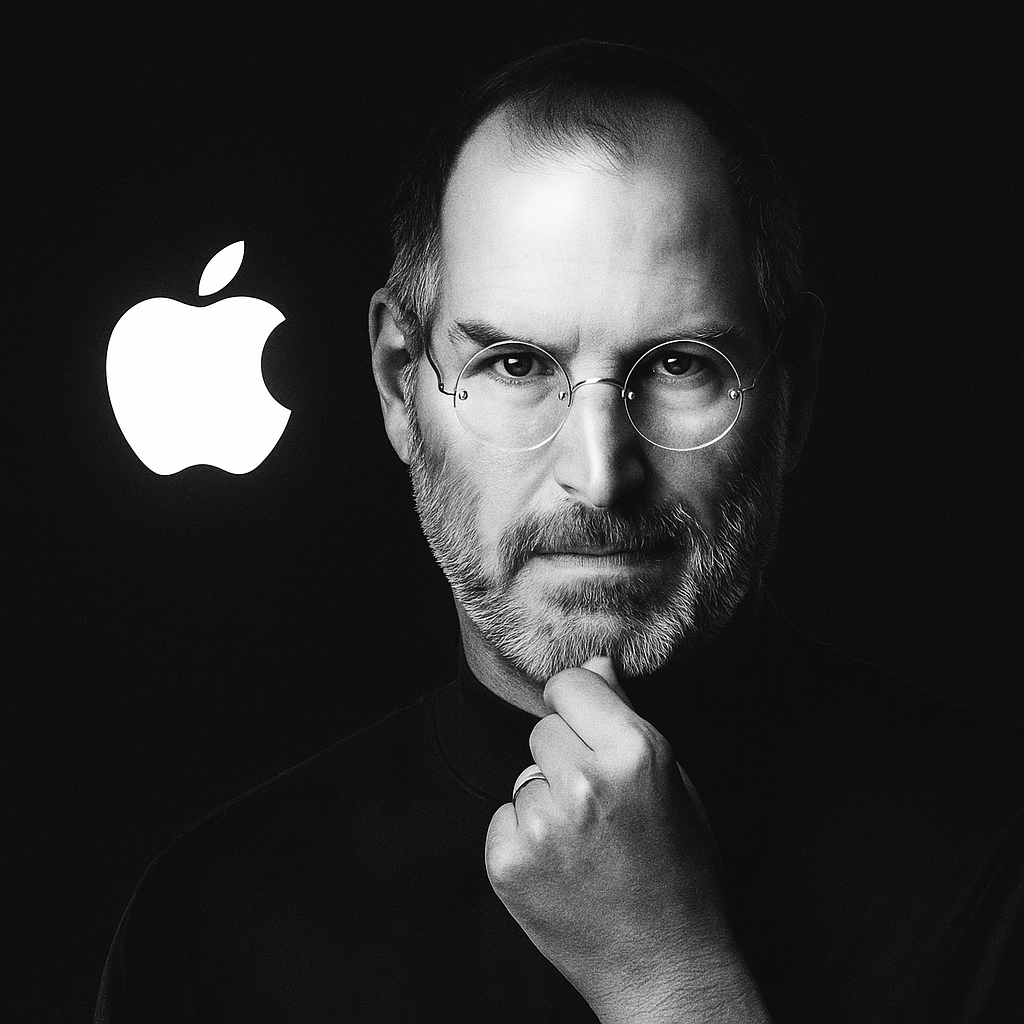
The evening of October 5, 2011, was filled with tributes, tears, and reflection. Apple’s homepage turned black and white, showing a simple portrait of Steve with the dates 1955–2011.
Outside Apple Stores, people left flowers, apples, and handwritten notes. Social media exploded with messages under hashtags like #ThankYouSteve and #RIPSteveJobs.
Barack Obama said:
“The world has lost a visionary. And there may be no greater tribute to Steve’s success than the fact that much of the world learned of his passing on a device he invented.”
For those who followed Apple’s keynotes, Steve Jobs had become a modern-day storyteller, unveiling the future one product at a time. His “one more thing” moments were legendary a mixture of drama, surprise, and elegance.
2. The Life That Redefined Technology
Born in San Francisco on February 24, 1955, Jobs was adopted by Paul and Clara Jobs. From a young age, he showed curiosity about electronics and design.
At just 21 years old, he co-founded Apple with Steve Wozniak and Ronald Wayne in the Jobs family garage in 1976.
Their mission was simple yet revolutionary to make computers personal, accessible, and beautifully designed.
The Apple I and later the Apple II brought the company early success, but Jobs’ vision went beyond hardware. He wanted a fusion of art and technology.
By 1984, the Macintosh introduced the world to a graphical interface that would forever change computing. Yet, Jobs’ relentless pursuit of perfection led to internal conflicts. He was forced out of Apple in 1985.
But that setback only fueled his genius.
3. The Comeback of the Century
After leaving Apple, Jobs founded NeXT, a computer company focused on high-end workstations for universities and businesses. Though NeXT never achieved massive commercial success, its technology became crucial when Apple acquired the company in 1996 paving the way for Jobs’ return.
During his exile, Jobs also bought Pixar from George Lucas for $10 million. Under his leadership, Pixar created Toy Story, the world’s first computer-animated feature film, and became one of the most successful studios in Hollywood history. Disney later acquired Pixar, making Jobs a billionaire and Disney’s largest individual shareholder.
When Jobs returned to Apple in 1997, the company was on the brink of bankruptcy. Within a decade, he turned it into the most valuable company on Earth.
His philosophy was clear:
“Innovation distinguishes between a leader and a follower.”
“Today, Apple is going to reinvent the phone.”
4. The Products That Changed Everything
Jobs believed technology should feel human intuitive, beautiful, and meaningful.
He oversaw the creation of devices that became cultural icons:
| Product | Year | Impact |
|---|---|---|
| iMac | 1998 | Reintroduced Apple with colorful, friendly design |
| iPod | 2001 | Revolutionized music and led to iTunes ecosystem |
| iPhone | 2007 | Redefined communication and launched smartphone era |
| iPad | 2010 | Created a new category between laptop and phone |
| MacBook Air | 2008 | Set the standard for modern ultrabooks |
Each keynote was a performance, blending marketing, design, and storytelling.
He didn’t just sell products he sold experiences, inspiring loyalty and admiration like no other brand.
5. His Battle with Illness
Steve Jobs was diagnosed with a rare form of pancreatic cancer in 2004. Unlike typical pancreatic cancers, it was a neuroendocrine tumor, which grows more slowly and can be treated if caught early.
Jobs initially refused surgery, trying alternative diets and therapies a decision he later regretted.
Over the years, his health visibly declined. He underwent a liver transplant in 2009, yet continued to work tirelessly.
He stepped down as Apple CEO on August 24, 2011, handing the reins to Tim Cook, but remained as Chairman of the Board.
Just six weeks later, he passed away at his home in Palo Alto, surrounded by family.
6. The Legacy He Left Behind
Steve Jobs transformed seven industries during his lifetime:
- Computing – Apple II and Mac made computers accessible.
- Music – iTunes and iPod reinvented how we buy and listen to music.
- Phones – iPhone redefined mobile communication.
- Tablets – iPad changed digital reading and entertainment.
- Animation – Pixar revolutionized filmmaking.
- Digital Publishing – App Store created a new economic ecosystem.
- Retail – Apple Stores reimagined consumer experience.
Jobs’ leadership style was demanding, sometimes ruthless, but deeply visionary. He expected excellence, and his ability to anticipate what consumers wanted before they knew it remains unmatched.
Apple’s culture of innovation, minimalist design, and emphasis on user experience are all reflections of his philosophy.
7. Tributes and Cultural Impact
Celebrities, CEOs, and world leaders honored him:
- Bill Gates called him a “fellow competitor and friend.”
- Mark Zuckerberg thanked him “for showing that what you build can change the world.”
- Elon Musk said he admired Jobs’ ability to merge art and engineering.
Even a decade later, Jobs remains an icon of creativity and resilience.
His speeches, especially the 2005 Stanford Commencement Address, continue to inspire millions with quotes like:
“Your time is limited, so don’t waste it living someone else’s life.”
8. The Human Behind the Genius
Beyond the tech world, Jobs was a father, husband, and thinker.
He married Laurene Powell Jobs in 1991 and had four children. Despite his immense fame, he kept his family life private.
Friends describe him as intense, spiritual, and deeply introspective. He practiced Zen Buddhism, favored simplicity, and believed in stripping away the unnecessary both in life and in design.
His home was famously minimalist, often without furniture. For Jobs, simplicity was the ultimate sophistication.
9. How the World Changed After His Death
After his passing, many wondered if Apple could survive without him.
Under Tim Cook, Apple became even more profitable, but the aura of risk-taking and “revolutionary magic” that Jobs embodied slowly faded.
Yet his influence persists:
- Every smartphone bears the DNA of the iPhone.
- Every digital ecosystem traces back to his vision of integrated hardware and software.
- Every start-up founder quoting “Think Different” owes him inspiration.
His biography by Walter Isaacson became a bestseller, and the 2015 film Steve Jobs reintroduced his story to a new generation.
10. Lessons from Steve Jobs’ Life
Jobs’ life teaches us that:
- Failure is not final. Getting fired from Apple led to his greatest comeback.
- Vision beats resources. He started in a garage and built a trillion-dollar legacy.
- Simplicity wins. Products that “just work” change lives.
- Passion fuels purpose. Jobs’ obsession with perfection was not arrogance it was devotion.
He once said:
“The people who are crazy enough to think they can change the world are the ones who do.”
And he proved it.
Pros and Cons of Steve Jobs’ Leadership
| Pros | Cons |
|---|---|
| Visionary innovator who transformed multiple industries | Perfectionism sometimes led to unrealistic demands |
| Master of design and user experience | Difficult interpersonal relationships |
| Created a strong brand identity | Lack of empathy toward colleagues at times |
| Inspired millions with his story and speeches | Control-driven management style |
Case Study: The iPhone Revolution
When Jobs introduced the iPhone in 2007, few realized how profoundly it would reshape human behavior.
Within a decade, it became a universal communication device, replacing cameras, maps, music players, and even wallets.
By 2025, more than 1.5 billion iPhones have been sold.
It didn’t just change technology it changed society.
Jobs’ insistence on a single button, intuitive touch, and elegant design set new standards.
His famous line during the launch remains iconic:
“Today, Apple is going to reinvent the phone.”
Visual Summary: Steve Jobs’ Impact by Industry
| Industry | Before Jobs | After Jobs |
|---|---|---|
| Computing | Complex, business-only | Simple, personal, creative |
| Music | CDs and piracy | Legal downloads, portable iPods |
| Telephony | Physical keyboards | Touchscreen smartphones |
| Film | Hand-drawn animation | 3D computer animation |
| Retail | Standard electronics stores | Experiential Apple Stores |
Key Takeaways
- Steve Jobs’ death on October 5, 2011, ended an era but began a legacy.
- His life embodied the union of technology and artistry.
- He proved that simplicity and creativity can change the world.
- The Apple ecosystem remains a reflection of his uncompromising vision.
- Even in death, Jobs continues to inspire dreamers and innovators worldwide.
🧭 Eternal Inspiration
Steve Jobs once said:
“Stay hungry. Stay foolish.”
Those four words became a mantra for millions a reminder that innovation begins with curiosity and courage.
🔔 For more tutorials like this, consider subscribing to our blog.
📩 Do you have questions or suggestions? Leave a comment or contact us!
🏷️ Tags: Steve Jobs, Apple Inc, iPhone history, 2011 events, tech legacy, innovation, Pixar, Tim Cook, leadership lessons, Think Different
📢 Hashtags: #SteveJobs, #Apple, #Innovation, #Technology, #Leadership, #Inspiration, #iPhone, #Pixar, #ThinkDifferent, #RIPSteveJobs
