


⏲️ Estimated reading time: 6 min
Table of Contents
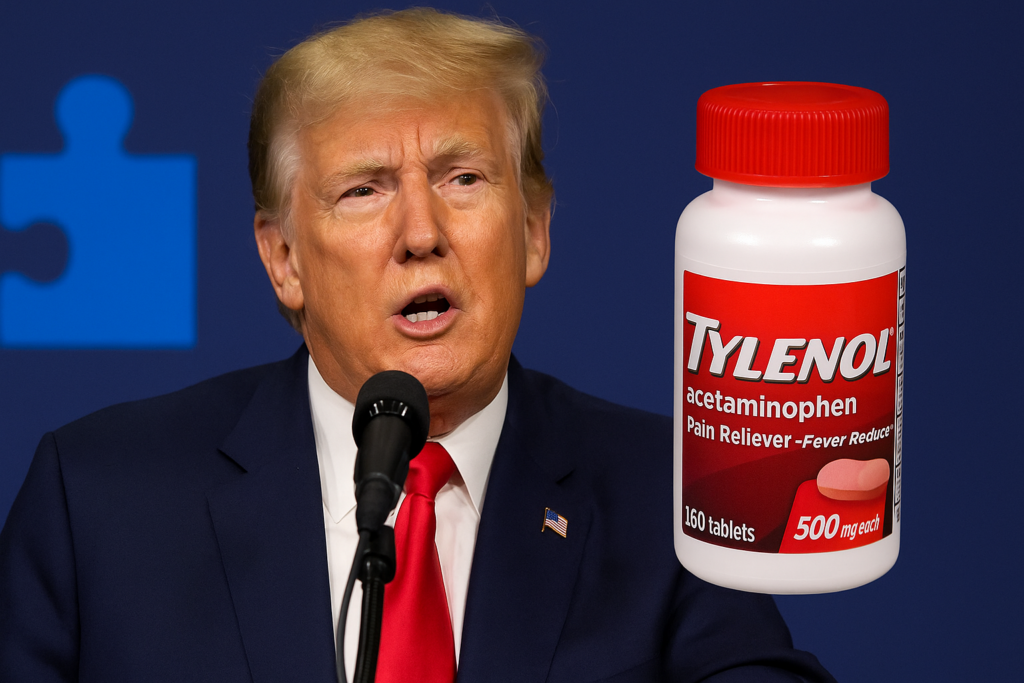
Trump Makes Unproven Link Between Autism and Tylenol. U.S. President Donald Trump has drawn controversy by suggesting a connection between Tylenol use during pregnancy and autism in children. This article explores the claim, the scientific evidence, public reactions, and the broader implications for health communication and politics.
See also: Jude Bellingham Girlfriend: Everything We Know in 2026
A Controversial Statement
In a recent public appearance, President Donald Trump made headlines by suggesting a connection between the over-the-counter pain reliever Tylenol (acetaminophen) and the development of autism in children. The statement sparked intense debate, both in the medical community and across social media, as the claim has not been proven by scientific evidence.
The idea of linking common medications to autism is not new, but when amplified by a political figure as influential as Trump, such remarks can have far-reaching consequences. This article explores the background of autism research, what science says about Tylenol, how Trump’s comments fit into broader political and cultural narratives, and why health misinformation remains a pressing issue.
Trump’s Statement in Context
Donald Trump has a long history of making unconventional or controversial claims about health. During his presidency, he raised eyebrows with remarks about unproven COVID-19 treatments. This time, his comments about Tylenol being linked to autism during pregnancy reignited an ongoing and sensitive conversation about autism’s causes.
The exact wording suggested that women taking Tylenol while pregnant could be increasing the risk of autism in their children. While Trump did not cite specific studies, the insinuation echoes earlier lawsuits and debates that gained media attention.
The Science on Autism: What We Know
Autism Spectrum Disorder (ASD) Basics
Autism Spectrum Disorder is a neurodevelopmental condition characterized by challenges in communication, social interaction, and repetitive behaviors. The exact causes of autism remain complex and multifactorial, involving genetics, environmental factors, and possibly prenatal influences.
Tylenol and Autism – What Research Says
Several studies have explored whether prenatal exposure to acetaminophen may be linked to developmental conditions, including ADHD and autism. While some observational studies have suggested a possible association, the evidence remains inconclusive.
- Meta-analyses highlight limitations such as reliance on self-reported data, recall bias, and confounding variables.
- The U.S. Food and Drug Administration (FDA) has not established any official link between Tylenol and autism.
- Major medical organizations, including the American College of Obstetricians and Gynecologists (ACOG), continue to recommend acetaminophen as one of the safer pain relief options during pregnancy, when used responsibly.
The Danger of Unproven Claims
When political figures make unsubstantiated health claims, they can influence public perception in ways that may discourage people from using safe medications. For pregnant women, avoiding acetaminophen could result in untreated pain, fever, or other conditions that carry their own risks for both mother and child.
Public health experts emphasize that spreading uncertain or exaggerated connections can fuel fear, distrust, and misinformation complicating efforts to provide clear medical guidance.
Public and Media Reactions
Medical Community Response
Doctors, researchers, and health policy experts quickly dismissed Trump’s claim as unproven. Many stressed the importance of relying on peer-reviewed studies rather than political rhetoric.
Social Media and Public Debate
Online platforms lit up with discussions. Supporters of Trump praised him for “raising questions” that others were hesitant to address, while critics accused him of recklessly fueling medical misinformation.
Legal Context
It’s worth noting that in recent years, lawsuits have been filed against Tylenol manufacturers, alleging a link between prenatal use and autism. While some courts allowed these cases to proceed, the scientific evidence remains not definitive. Trump’s comments may have been influenced by these ongoing legal disputes.
Autism and Politics: A Long History
This is not the first time autism has been politicized.
- In the 2000s, debates about vaccines and autism gained widespread attention, despite overwhelming scientific evidence disproving any link.
- Politicians, activists, and celebrities have occasionally used autism discussions to mobilize support or question mainstream medicine.
- Trump himself previously made controversial remarks suggesting a connection between vaccines and autism, though he later moderated his statements.
Why Tylenol Became a Target
Tylenol has long been marketed as a safe, accessible medication. Because it is widely used, any speculation about risks during pregnancy quickly becomes a high-stakes issue.
The combination of widespread use, ongoing lawsuits, and growing public sensitivity to autism makes Tylenol a natural focus for controversy even if the scientific evidence does not support the claims.
Broader Implications for Public Health
Trust in Medicine
Unverified claims undermine trust in the medical system. When leaders amplify such claims, patients may question established guidelines.
Legal and Regulatory Challenges
If lawsuits continue and media coverage grows, pharmaceutical companies may face greater scrutiny, and regulators may need to issue clearer guidance.
Impact on Families
For parents raising children with autism, unproven claims about “causes” can feel like misplaced blame and add emotional weight to an already challenging journey.
How to Approach Health Claims Responsibly
- Check Scientific Sources – Look for peer-reviewed studies rather than relying on headlines.
- Follow Medical Guidance – Organizations like the FDA, CDC, and ACOG issue evidence-based recommendations.
- Recognize Political Context – Understand when claims are being used to score political points rather than inform the public.
- Talk to Healthcare Providers – Personal medical decisions should be based on individual needs, not political commentary.
The Role of Media in Amplifying Claims
The modern media landscape often magnifies controversial soundbites. Trump’s comments about Tylenol quickly trended, not because they were backed by data, but because controversy generates clicks and attention.
Journalists face the challenge of reporting responsibly, balancing the need to inform the public without amplifying misinformation.
Looking Ahead: What Comes Next?
The fallout from Trump’s Tylenol comments may persist, especially as lawsuits proceed in U.S. courts. Policymakers may be asked to weigh in, and healthcare providers may need to spend more time clarifying misconceptions with their patients.
Ultimately, the episode underscores the need for clearer science communication and greater accountability from political leaders when discussing sensitive health issues.
Final Thoughts
Donald Trump’s recent claim linking Tylenol use during pregnancy to autism highlights the ongoing tension between politics, science, and public health. While research continues, no definitive evidence supports the claim, and most experts caution against drawing premature conclusions.
The broader lesson is clear: when political figures speak about health, their words carry enormous influence. It is crucial that such statements be grounded in evidence and responsibility, not speculation.
🔔 For more tutorials like this, consider subscribing to our blog.
📩 Do you have questions or suggestions? Leave a comment or contact us!
🏷️ Tags: Donald Trump, Tylenol, Autism, Pregnancy Health, Acetaminophen, Medical Misinformation, Public Health, FDA, Autism Research, U.S. Politics
📢 Hashtags: #Trump #Tylenol #Autism #PregnancyHealth #MedicalMisinformation #PublicHealth #FDA #AutismAwareness #PoliticsAndHealth #HealthDebate
