


⏲️ Estimated reading time: 7 min
Table of Contents
🥩 What is the Most Popular Type of Steak Cut in the World? From Argentina’s asados to New York’s steakhouses, steak unites food lovers everywhere. But one cut rises above the rest in global popularity. Explore why ribeye is considered the king of steaks, its history, cooking tips, and cultural significance.
Steak 🥩
Steak is more than just a piece of meat it’s a global culinary icon. Whether grilled in the backyards of Texas, seared in Michelin-starred kitchens in Paris, or cooked slowly over open flames in Argentina, steak represents flavor, celebration, and tradition. With dozens of cuts available worldwide, a natural question arises: what is the most popular type of steak cut in the world?
The answer is clear: ribeye steak.
This article will explore why ribeye dominates global menus, its unique characteristics, cultural variations, nutritional value, cooking methods, and how it compares to other popular cuts like filet mignon, sirloin, and T-bone. We’ll also dive into the history of steak culture and rising alternative cuts making waves today.
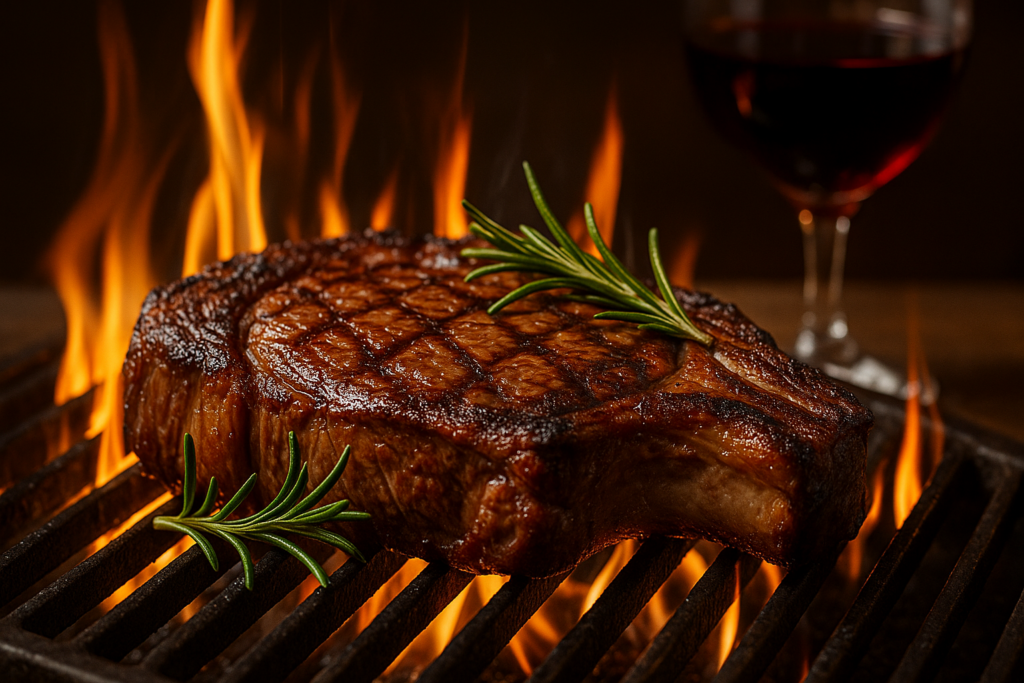
The King of Steaks: Ribeye
What is Ribeye?
Ribeye is cut from the rib section of the cow (ribs six through twelve). Known for its marbling streaks of intramuscular fat ribeye delivers unparalleled juiciness and a buttery, beefy flavor. It can be served boneless or bone-in, with the latter often called a cowboy ribeye or tomahawk steak.
Why Ribeye Stands Out
- Flavor-rich: The marbling melts during cooking, creating deep flavors.
- Tender yet robust: Balances tenderness with a meaty bite.
- Global availability: Found in steakhouses from Argentina to Japan.
- Cooking versatility: Delicious grilled, seared, broiled, or even smoked.
Among steak aficionados, ribeye is often called “the steak lover’s steak.”
A Short History of Steak
Ancient Origins
Humans have been consuming beef for thousands of years, but the concept of selective cuts like ribeye developed later. In medieval Europe, cattle were prized possessions, and only royalty or nobility enjoyed prime cuts.
Rise of the Steakhouse
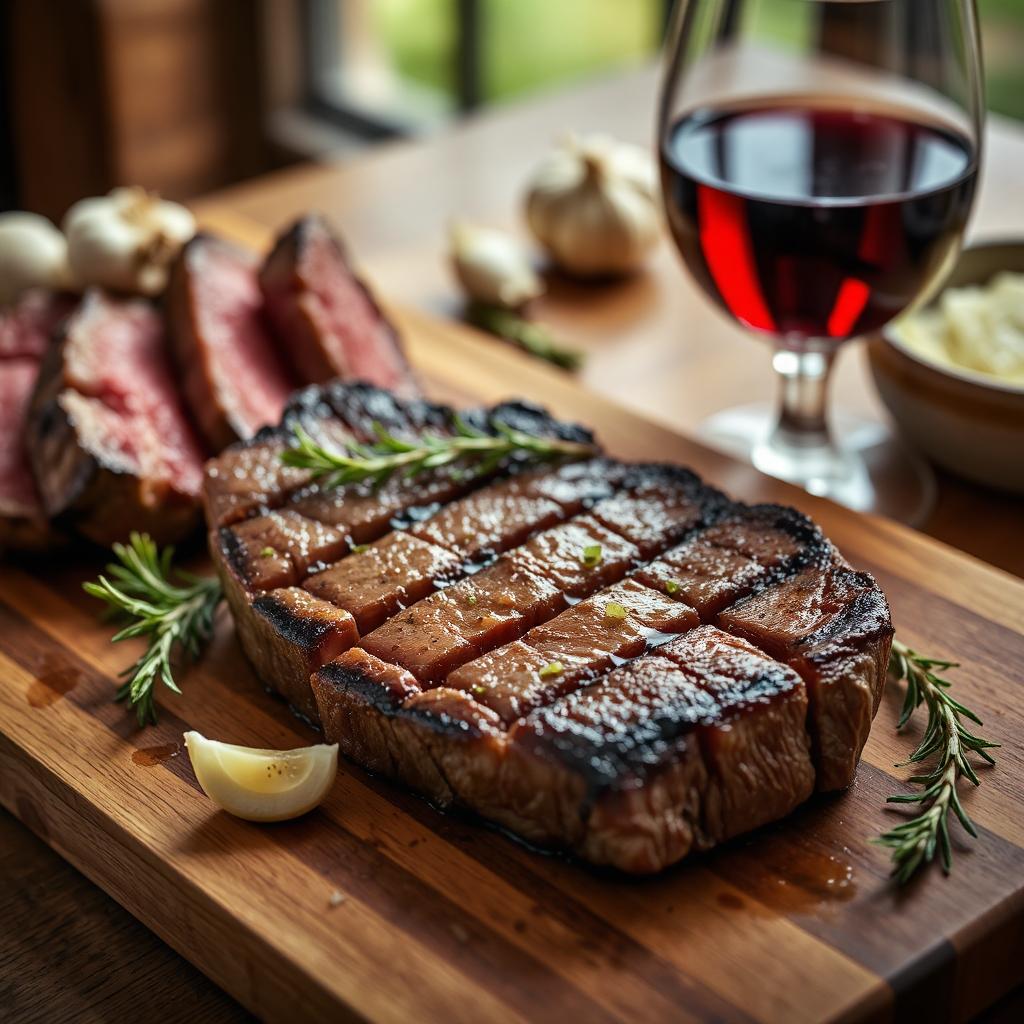
The 19th century saw the rise of steakhouses in cities like New York, Chicago, and London. Ribeye became a staple because it balanced price, flavor, and cooking reliability.
Steak in Popular Culture
From Hollywood films showing lavish dinners to the image of cowboys grilling ribeye on the prairie, steak became synonymous with prosperity and indulgence. Today, ribeye continues to symbolize luxury, comfort, and culinary excellence.
Cultural Perspectives on Ribeye
United States: Cowboy Culture Meets Steakhouse Glamour
In the U.S., ribeye is often celebrated as the cowboy’s steak. On the other end of the spectrum, it’s the crown jewel of high-end steakhouses. The bone-in ribeye is particularly prized, often weighing over 1 kg and cooked for sharing.
Argentina and Brazil: The Heart of Asado
South America’s beef culture is legendary. In Argentina, ribeye known as ojo de bife is central to the traditional asado, a social barbecue where beef, sausages, and other meats are cooked over wood fire. In Brazil, churrascarias (Brazilian steakhouses) highlight ribeye alongside picanha.
Europe: Entrecôte Elegance
In France, ribeye appears as entrecôte, often served with sauces like béarnaise or peppercorn sauce. In the U.K., ribeye is a pub classic, typically served with chips (fries) and grilled mushrooms.
Asia: Wagyu and Beyond
Japan elevated ribeye into an art form through wagyu and Kobe beef, where extraordinary marbling creates unmatched tenderness. In South Korea, ribeye slices are used for bulgogi or grilled at Korean barbecue tables.
Ribeye vs. Other Popular Cuts
Filet Mignon (Tenderloin)
- Pros: Incredibly tender, luxurious, often served at fine dining restaurants.
- Cons: Lacks the robust flavor of ribeye due to lower fat content.
Sirloin
- Pros: Affordable, leaner, and versatile.
- Cons: Can be less tender than ribeye, especially without careful cooking.
T-Bone and Porterhouse
- Pros: Offers two cuts in one (tenderloin + strip).
- Cons: Tricky to cook evenly due to bone structure.
Flank and Skirt
- Pros: Perfect for marinating and slicing thin, widely used in Mexican and Asian dishes.
- Cons: Can be tough if not prepared properly.
Despite the merits of these cuts, ribeye remains the most balanced and universally appealing option.
Nutritional Profile of Ribeye
A standard 8-ounce (226g) ribeye contains:
- Protein: 60–65 grams
- Calories: ~500–600
- Fat: 40–45 grams (including saturated fat)
- Iron: Boosts red blood cell health
- Vitamin B12: Essential for brain and nervous system
⚠️ Note: While ribeye is rich in nutrients, it’s also high in fat. Moderation is key for those monitoring cholesterol.
Cooking Ribeye Like a Pro
Essential Tips
- Choose high-quality meat: Look for well-marbled USDA Prime, Angus, or Wagyu.
- Bring to room temperature: Ensures even cooking.
- Season generously: Coarse salt and black pepper are classics.
- Use high heat: A cast-iron skillet or grill creates the best sear.
- Don’t overcook: Medium-rare (130°F/54°C) is ideal.
- Rest before slicing: Allows juices to redistribute.
Popular Methods
- Grilling: Classic smoky flavor, perfect for bone-in ribeye.
- Pan-searing with butter basting: Adds richness and garlic-herb aromas.
- Reverse searing: Low, slow cooking followed by a quick sear.
- Sous-vide: Precision cooking that locks in tenderness.
Pairing Ribeye with Sides and Drinks
- Sides: Mashed potatoes, creamed spinach, grilled vegetables, or baked potatoes.
- Sauces: Béarnaise, chimichurri, peppercorn, or simple garlic butter.
- Drinks: Full-bodied red wines like Cabernet Sauvignon or Malbec, or a cold craft beer.
Rising Stars in the Steak World
Though ribeye dominates, other cuts are gaining popularity:
- Flat Iron Steak: Affordable, surprisingly tender.
- Picanha: Brazilian favorite, loved for its fat cap.
- Tomahawk Ribeye: A dramatic bone-in ribeye, perfect for sharing.
- Denver Steak: From the chuck, tender and flavorful.
These cuts prove that steak culture is evolving, but ribeye remains the benchmark.
Global Steak Consumption Trends
- United States: Consumes the most beef per capita in the developed world.
- Argentina & Uruguay: Among the highest beef consumers globally, with ribeye central to traditional meals.
- Europe: Steakhouses are increasingly popular, especially in the U.K., Spain, and France.
- Asia: Rising demand for premium cuts, especially wagyu ribeye.
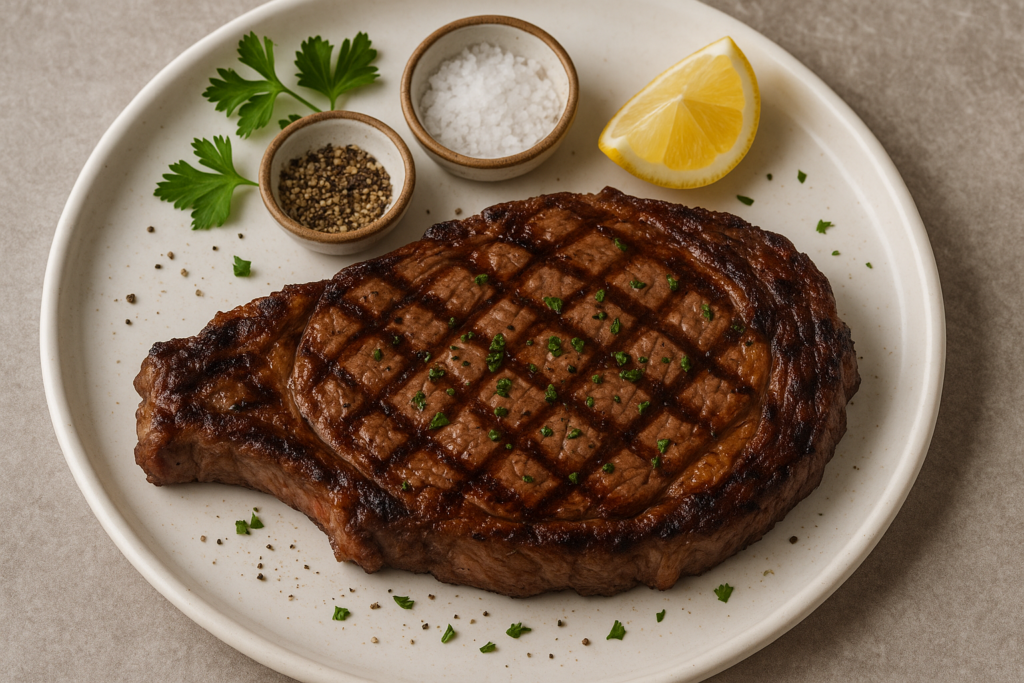
Globalization has made ribeye a cross-cultural superstar, available in almost every country with a thriving food scene.
Myths and Misconceptions About Ribeye
- “Ribeye is too fatty.”
– In reality, marbling is what makes it flavorful. Trimmed ribeye can reduce fat content. - “Filet mignon is better because it’s tender.”
– Tenderness doesn’t always equal flavor. Ribeye balances both. - “Only expensive ribeye tastes good.”
– Even affordable ribeye cuts can be delicious with proper cooking.
Tips for Buying Ribeye
- Look for marbling: Fine white streaks = more flavor.
- Check the color: Bright red meat indicates freshness.
- Know the grade: USDA Prime > USDA Choice > Select.
- Bone-in or boneless: Bone-in adds flavor, boneless is easier to cook.
Ribeye in Different Countries
- Japan: Wagyu ribeye, highly marbled and extremely expensive.
- Australia: Known for grass-fed ribeye with bold flavor.
- South Korea: Ribeye slices used in traditional bulgogi marinades.
- Spain: Txuleton (matured ribeye) served rare with sea salt.
- Middle East: Often grilled with spices like cumin and paprika.
Ribeye adapts beautifully to different cuisines, making it a truly global cut.
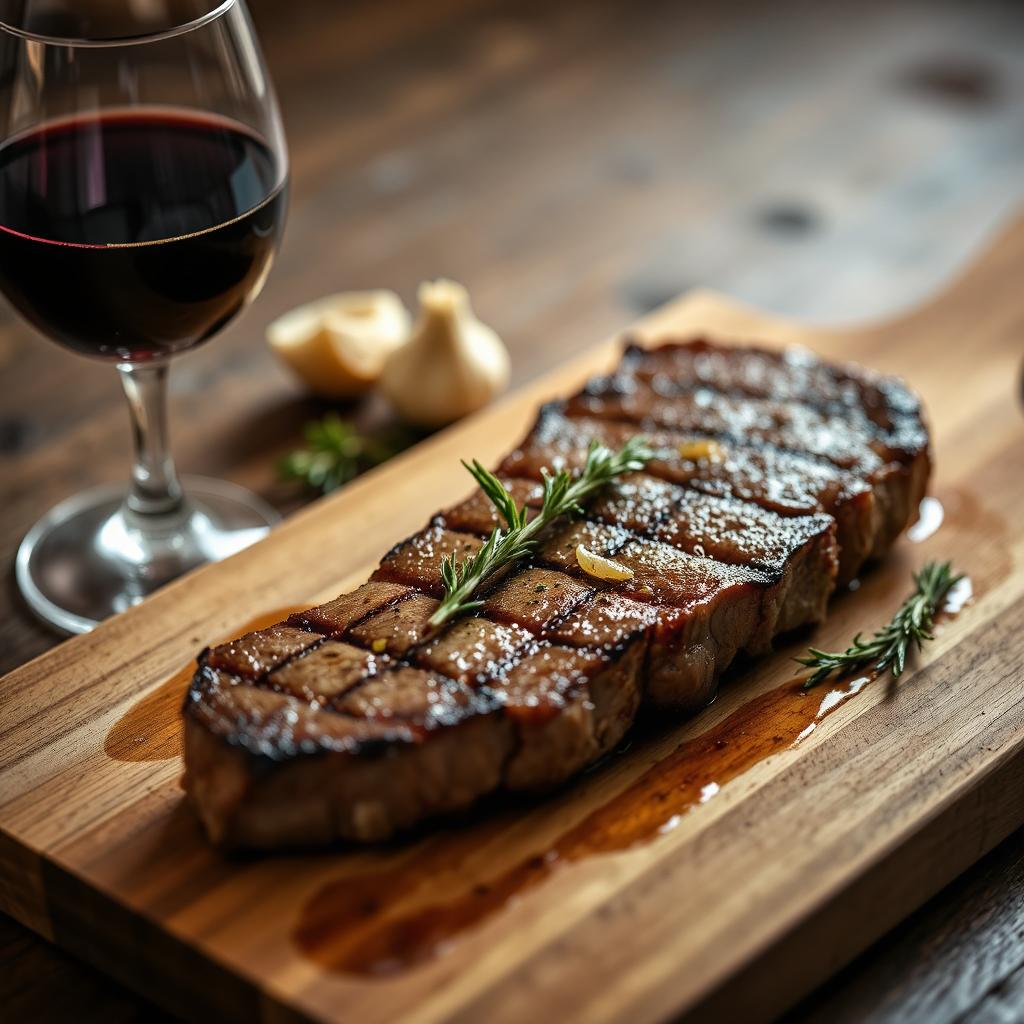
🥩 The answer
Read also: How Eratosthenes Measured the Earth Using Shadows
The answer to “What is the most popular type of steak cut in the world?” is undeniably ribeye. Its perfect combination of marbling, tenderness, and versatility makes it a favorite for chefs, home cooks, and steak lovers everywhere. While other cuts have their fans, ribeye remains the gold standard of beef, a cut that unites cultures and taste buds across continents.
🔔 For more tutorials like this, consider subscribing to our blog.
📩 Do you have questions or suggestions? Leave a comment or contact us!
🏷️ Tags: ribeye steak, most popular steak cut, beef cuts, steak guide, grilling tips, steakhouse favorites, filet mignon vs ribeye, steak cooking methods, wagyu ribeye, steak lovers
📢 Hashtags: #SteakLovers, #Ribeye, #Foodie, #Grilling, #Steakhouse, #BeefCuts, #CookingTips, #FoodCulture, #MeatLovers, #GlobalCuisine
