


⏲️ Estimated reading time: 7 min
Table of Contents
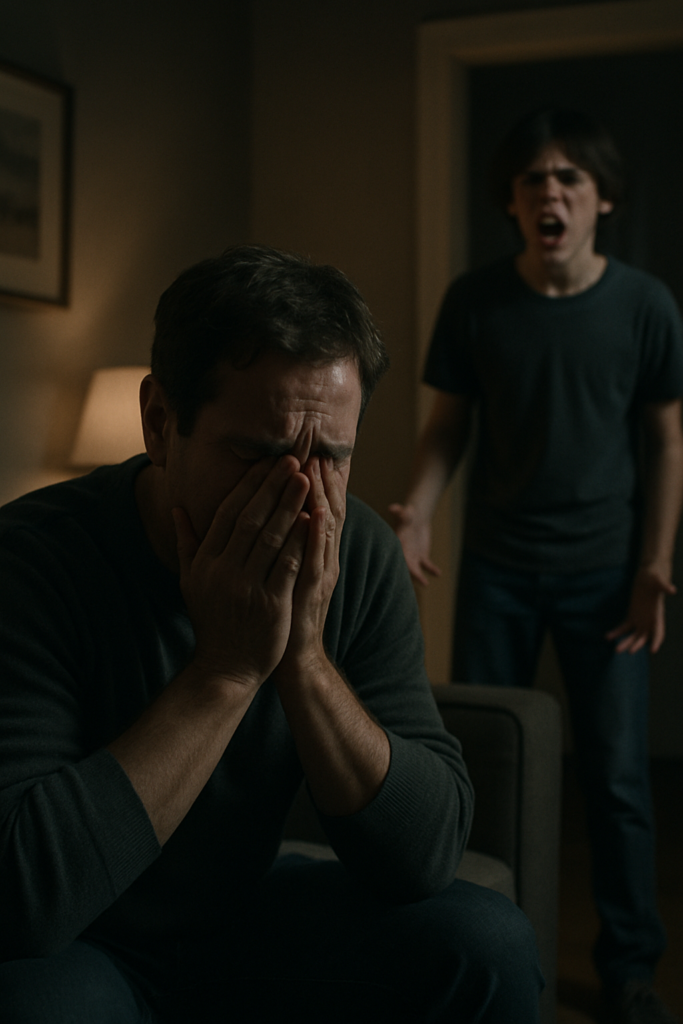
🧠 What Happens When a Child Abuses a Parent – The Hidden Cycle of Family Violence. When a child abuses a parent, the entire family structure begins to collapse. Parental abuse, often silent and misunderstood, carries emotional scars, guilt, and fear. This post explores causes, patterns, and solutions to stop this painful reversal of roles.
You may also be interested in: Tesla Pi Phone: Is Elon Musk’s $789 Phone Real?
Parental abuse
Parental abuse when a child, adolescent, or even adult offspring harms their parent emotionally, physically, or psychologically is one of the least discussed but most devastating forms of family violence.
Society often focuses on child abuse, which rightfully deserves attention, but many parents live in silence under emotional blackmail, intimidation, or violence from their own children.
This topic touches deep psychological roots: shame, guilt, denial, and fear of judgment. Parents feel trapped unable to call for help because they believe society will label them as “failed caregivers.” But the truth is that child-to-parent abuse (CPA) is a growing issue, especially in families struggling with mental health problems, substance abuse, or generational trauma.
Understanding Child-to-Parent Abuse (CPA)
What Is It Exactly?
Child-to-parent abuse occurs when a child intentionally causes harm emotionally, physically, or financially to a parent or caregiver. This includes:
- Verbal aggression (shouting, insults, threats)
- Physical violence (hitting, throwing objects, property destruction)
- Emotional manipulation (guilt-tripping, intimidation, humiliation)
- Financial abuse (stealing money, exploiting bank accounts)
- Technological control (spying, harassment via digital means)
In most studies, it occurs more frequently during adolescence but can persist into adulthood if untreated.

The Psychology Behind It
1. Power Reversal in the Family Dynamic
Traditionally, parents hold authority and children learn boundaries. In abusive dynamics, that authority collapses.
The child senses emotional weakness or inconsistency and begins to dominate interactions. Over time, parents may avoid conflict creating a cycle of fear and submission.
2. Unresolved Trauma
Many abusive children come from environments where aggression was normalized either they witnessed domestic violence, or they experienced emotional neglect. Their learned behavior becomes a defense mechanism: control others before they can hurt you.
3. Mental Health and Disorders
Certain mental health conditions increase the risk:
- Conduct Disorder
- Oppositional Defiant Disorder (ODD)
- Substance abuse
- Borderline Personality Disorder
- Impulse control issues
Not every case stems from mental illness, but psychological instability can worsen the frequency and intensity of abuse.
Forms of Abuse Parents May Suffer
1. Physical Abuse
Parents may experience hitting, kicking, or being pushed. Property damage often occurs when anger is redirected.
2. Emotional or Verbal Abuse
Children might call their parents names, blame them for everything, or use intimidation. The goal is control through fear.
3. Financial Abuse
Teenagers or adult children may steal money, refuse to work, or manipulate parents into constant bailouts.
4. Digital and Social Manipulation
Abuse today also appears through text messages, social media shaming, or cyber-bullying directed at parents.
Why Parents Remain Silent
- Shame and guilt: Parents fear being blamed for their child’s behavior.
- Social stigma: Society expects unconditional love reporting abuse feels like betrayal.
- Hope for change: Parents believe their child will “grow out of it.”
- Fear of losing contact: Especially when grandchildren are involved.
Many victims especially mothers hide bruises, delete hurtful messages, and continue to support their children financially while being emotionally destroyed inside.
Warning Signs of Parental Abuse
| Behavioral Sign | What It Means |
|---|---|
| Frequent verbal outbursts | Anger regulation problems |
| Controlling or threatening tone | Attempt to dominate parent |
| Isolation of the parent | Emotional control through guilt |
| Unexplained bruises or injuries | Physical violence or property damage |
| Financial strain or missing money | Possible financial exploitation |
| Parent avoids conflict entirely | Learned helplessness |
Recognizing these signs early can prevent escalation.
Real-Life Case Study: When Love Turns Into Fear
Case: Maria and her 16-year-old son, Leo
Maria, a nurse, raised Leo alone after his father left. At first, he was affectionate and intelligent, but by 14, he began skipping school, yelling, and breaking things. When she tried to discipline him, he threatened to destroy her car or hurt himself.
One night, after a confrontation about money, Leo hit her. She didn’t report it she felt like a failure.
Two years later, the violence increased until social services intervened. Through therapy, Maria learned that Leo’s aggression masked depression and guilt. Both attended family therapy, and boundaries were rebuilt.
Lesson: Early intervention, not silence, saved both lives.
Consequences for Parents
- Emotional devastation: Chronic fear, anxiety, depression.
- Health issues: Insomnia, high blood pressure, stress disorders.
- Isolation: Parents withdraw from friends to hide the abuse.
- Financial exhaustion: Paying for damages or bailouts.
- Erosion of authority: Once lost, regaining respect becomes difficult.
Legal Aspects and Protective Measures
Many countries now classify child-to-parent abuse under domestic violence laws.
In the U.K., it’s recognized as part of domestic abuse legislation. In the U.S., some states allow restraining orders against violent children.
Parents can:
- Call emergency services if in danger.
- Seek family court protection.
- Consult social services or support organizations like Family Lives or Parentline (wilkipedia).
- Keep evidence messages, injuries, or damage photos.
How Therapy Can Help
1. Family Therapy
Focuses on improving communication and rebuilding trust.
2. Individual Counseling
Helps parents heal from trauma and learn assertive boundaries.
3. Anger Management Programs
Encourages children to identify triggers and develop coping strategies.
4. Behavioral Contracts
Setting clear rules: violence = consequences. Reinforce accountability.
What Schools and Communities Can Do
- Train teachers to recognize abuse dynamics.
- Promote emotional literacy and conflict-resolution programs.
- Provide safe reporting spaces for both parents and children.
Prevention starts with education and open dialogue.
Pros and Cons of Confronting an Abusive Child
| Pros | Cons |
|---|---|
| Reclaims parental authority | Can escalate violence if done impulsively |
| Helps the child face accountability | May trigger guilt or rejection |
| Opens door to therapy | Risk of losing temporary contact |
| Encourages healthier communication | Emotional exhaustion for both sides |
Long-Term Recovery
Healing doesn’t happen overnight.
Parents must rebuild self-esteem, learn assertive communication, and redefine boundaries. Support groups and trauma therapy are invaluable.
Children, too, need accountability, empathy training, and often treatment for underlying disorders.
Reconciliation is possible but only when responsibility is shared and healing becomes the goal.
Child vs. Parent Abuse
| Aspect | Child-to-Parent Abuse | Parent-to-Child Abuse |
|---|---|---|
| Power dynamic | Child dominates parent | Parent dominates child |
| Social perception | Often ignored or minimized | Widely condemned |
| Victim’s reaction | Shame, silence, denial | Fear, withdrawal |
| Intervention likelihood | Low | High |
| Emotional impact | Chronic guilt and fear | Trauma and insecurity |
This comparison highlights how societal bias hides the suffering of abused parents.
Preventive Strategies for Parents
- Set boundaries early: Consistency builds respect.
- Model calm behavior: Avoid yelling or threats.
- Encourage emotional expression: Teach empathy and communication.
- Seek help early: Don’t wait for violence to start.
- Educate yourself: Read about behavioral therapy and conflict resolution.
Examples of Healing Journeys
1 – Rebuilding Trust
A father and his 18-year-old son used weekly therapy to rebuild communication. After one year, they reported no further incidents and improved relationship satisfaction.
2 – The Mother Who Drew the Line
A single mother obtained a protection order but continued supporting her son’s therapy financially. Years later, they reconciled after he completed rehabilitation.
3 – The Family Support Group
Parents attending group sessions realized they weren’t alone mutual sharing reduced guilt and increased resilience.
Visual Suggestion
Use a comparative chart or emotional photo:
- A parent sitting alone with a broken picture frame.
- Chart showing the “Cycle of Parental Abuse.”
- Emotional timeline: escalation → intervention → recovery.
Random H2 Section Title: “The Courage to Say ‘Enough’”
Breaking silence requires immense bravery. Parents must remember that love doesn’t mean tolerating violence. It means teaching responsibility and self-respect.
If your child abuses you, you are not alone, and it’s not your fault.
Help exists. Healing begins the moment you decide to speak.
Link Sources
- (wilkipedia) Child-to-Parent Abuse
- (wilkipedia) Domestic Violence
- (wilkipedia) Family Therapy
🔔 For more tutorials like this, consider subscribing to our blog.
📩 Do you have questions or suggestions? Leave a comment or contact us!
🏷️ Tags: child abuses a parent, parental abuse, family violence, therapy, domestic abuse, emotional trauma, family recovery, anger management, child psychology, parent support
📢 Hashtags: #ChildAbuseAwareness, #ParentAbuse, #FamilyViolence, #MentalHealth, #Therapy, #Healing, #Respect, #Boundaries, #ParentSupport, #StopViolence
