


⏲️ Estimated reading time: 8 min
Table of Contents
The Vince Li case remains one of the most disturbing and debated criminal stories in Canadian history. This in-depth article explores the real facts, timeline, mental health aspects, legal decisions, and long-term impact of the Greyhound bus tragedy, separating verified information from myths and misinformation.
The Case That Stunned an Entire Nation
Few criminal cases in modern Canadian history have generated as much shock, fear, and controversy as the Vince Li incident. The brutal killing of a young passenger on a Greyhound bus raised urgent questions about public safety, mental illness, justice, and how society treats those found not criminally responsible.
This story is not easy to read. It is disturbing, emotional, and deeply complex. However, understanding the real facts behind the Vince Li case is essential if we want to move beyond headlines and social media myths.
This article provides a detailed, fact-based overview of what happened, who was involved, and what the case means today.
Who Was Vince Li
Vince Li, born Willie Pickton Li, was a Chinese-Canadian man living in Winnipeg, Manitoba. Before the incident, he lived a relatively quiet life and held several short-term jobs.
There was no known criminal history involving violence. Friends and family later stated that he had shown signs of mental health struggles in the years leading up to the attack, although he had not been formally diagnosed at the time.
Key facts about Vince Li:
- Born in China and later immigrated to Canada
- Lived in Winnipeg
- Had limited social connections
- Showed signs of untreated mental illness
- No violent criminal record prior to 2008
Who Was the Victim: Tim McLean
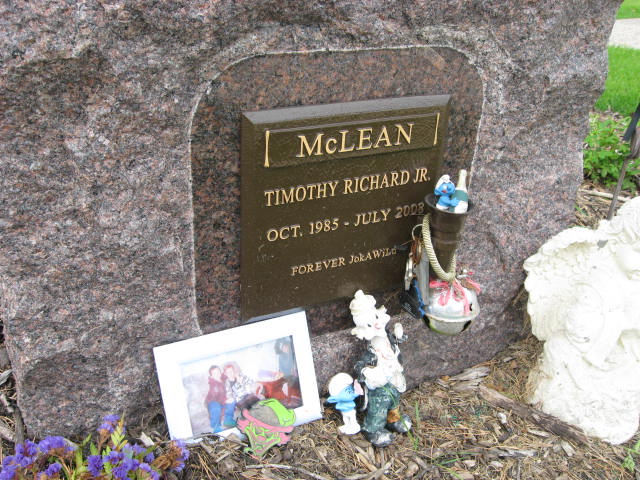
Tim McLean was a 22-year-old carnival worker traveling home to Winnipeg after working at a fair. Friends described him as cheerful, friendly, and hardworking.
He was sitting near Vince Li on the bus but had no prior connection to him. The attack was completely unprovoked.
Tim McLean became an innocent victim of one of the most horrifying acts ever committed on Canadian public transportation.
The Greyhound Bus Incident Explained
Greyhound Canada Bus 1170 was traveling from Edmonton to Winnipeg on July 30, 2008.
Timeline of Events
- The bus was traveling through rural Manitoba
- Vince Li was seated near Tim McLean
- Without warning, Li pulled out a knife and began attacking McLean
- The bus driver stopped the vehicle near Portage la Prairie
- Passengers escaped the bus in panic
- Vince Li remained onboard, continuing violent acts
Passengers and the driver contacted emergency services immediately. Police arrived and contained the situation.
What Happened After the Attack
After police surrounded the bus, Vince Li attempted to escape but was quickly apprehended. He was arrested without further incident.
The crime scene was described by responding officers as extremely disturbing. The severity of the violence left lasting trauma on witnesses and first responders.
Mental Illness and the Court Ruling
The Not Criminally Responsible Verdict
In 2009, Vince Li was found Not Criminally Responsible (NCR) due to severe mental illness. Medical experts diagnosed him with paranoid schizophrenia.
Key findings from psychiatric evaluations:
- He experienced hallucinations and delusions
- He believed he was under threat from supernatural forces
- He did not understand the nature or consequences of his actions
Under Canadian law, this meant he could not be convicted in the traditional sense.
Understanding Paranoid Schizophrenia
Paranoid schizophrenia is a severe mental disorder characterized by:
- Auditory hallucinations
- Intense paranoia
- Delusional beliefs
- Disorganized thinking
Experts testified that Vince Li was experiencing a full psychotic break during the attack.
This diagnosis became central to the court’s decision.
Public Reaction and National Outrage
The verdict sparked massive public backlash across Canada.
Many Canadians felt:
- The justice system failed the victim
- Public safety was compromised
- Mental health laws were too lenient
Petitions, protests, and heated debates followed. The case became a flashpoint for discussions about criminal responsibility and psychiatric treatment.
Changes to Canadian Law
The Vince Li case directly influenced reforms in Canadian criminal law.
The “Not Criminally Responsible Reform Act”
In response to public concern, the Canadian government introduced changes that:
- Created a high-risk accused designation
- Allowed longer detention for dangerous NCR individuals
- Increased victim involvement in review board hearings
These changes aimed to balance public safety with mental health care.
Life in Psychiatric Custody
After the verdict, Vince Li was placed in a secure psychiatric facility.
Over the years:
- He received consistent treatment
- His condition improved significantly
- Medical professionals reported long-term stability
Annual reviews gradually allowed supervised freedoms.
Name Change and Conditional Release
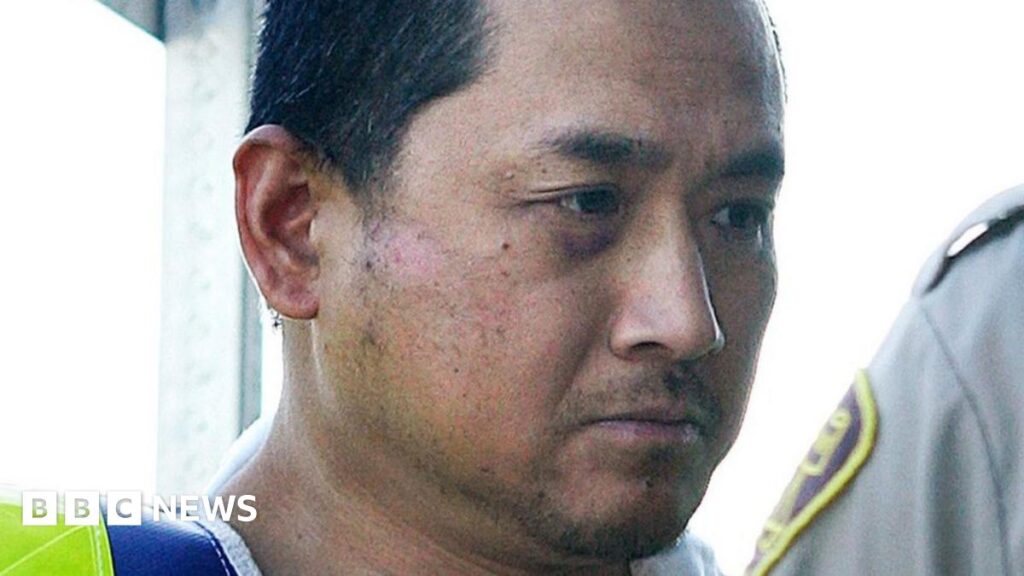
In 2017, Vince Li legally changed his name to Will Baker. This decision caused renewed outrage.
Read also: Tesla Pi Phone: Is Elon Musk’s $789 Phone Real?
The Manitoba Criminal Code Review Board eventually granted him:
- Day passes
- Unsupervised outings
- Conditional community access
By 2018, he was granted absolute discharge, meaning he was no longer under legal supervision.
Why the Discharge Was Controversial
The absolute discharge shocked many Canadians.
Critics argued:
- The severity of the crime should prevent full release
- The victim’s family deserved lifelong restrictions
- Risk assessments could never be fully certain
Supporters countered:
- Medical evidence showed low risk
- Continued confinement would violate human rights
- Mental illness should be treated, not punished
Impact on Tim McLean’s Family
The McLean family has spoken publicly about their pain and frustration.
Their concerns included:
- Feeling excluded from decisions
- Trauma resurfacing during reviews
- The difficulty of seeing the offender reintegrate
The case highlighted the emotional toll on victims’ families in NCR cases.
Media Coverage and Misinformation
Over the years, many false claims circulated online.
Common myths include:
- Claims that Li was released without treatment
- False reports of repeated violence
- Exaggerated timelines and legal loopholes
In reality:
- He spent nearly a decade in psychiatric custody
- All releases were medically supervised
- No violent reoffending has been documented
The Role of Mental Health Services
The case exposed serious gaps in mental health care.
Experts emphasized:
- Early intervention could prevent crises
- Access to psychiatric care remains limited
- Stigma discourages treatment
Many advocates argue that the tragedy was as much a systemic failure as an individual one.
Lessons Learned from the Vince Li Case
This case forced Canada to confront uncomfortable truths.
Key lessons include:
- Mental illness can escalate without treatment
- Public safety and compassion must coexist
- Legal systems need flexibility and safeguards
- Victim support must improve
The tragedy changed how Canada approaches forensic psychiatry.
Ethical Questions That Remain
Even today, the case raises unresolved questions:
- Can someone fully recover from severe psychosis?
- Should certain crimes carry permanent restrictions?
- How do we measure “risk” accurately?
There are no simple answers.
Frequently Asked Questions
Was Vince Li aware of his actions during the attack?
Medical experts testified that he was experiencing a psychotic episode and did not understand reality at the time.
Why wasn’t he sentenced to prison?
Canadian law states that individuals who cannot understand their actions due to mental illness cannot be held criminally responsible.
Did Vince Li receive treatment?
Yes. He underwent long-term psychiatric treatment in a secure facility.
Is Vince Li dangerous today?
According to medical assessments, he is considered low risk, with no signs of violent relapse.
Why did he change his name?
The name change was legal and approved by authorities, though it remains controversial.
How long was he confined?
He spent approximately nine years in psychiatric custody.
Did the law change because of this case?
Yes. Canada introduced stricter NCR regulations following public backlash.
Where did the attack occur?
On a Greyhound bus traveling through Manitoba near Portage la Prairie.
A Tragedy That Still Echoes
The Vince Li case is not just a crime story. It is a story about mental illness, fear, justice, and societal responsibility. It challenges how we define punishment, rehabilitation, and safety.
The loss of Tim McLean can never be undone. His memory remains central to the discussion and should never be overshadowed by legal debates.
📚 Sources
Court transcripts, Canadian Criminal Code records, forensic psychiatry reports, national media investigations.
Statements from mental health professionals, victim family interviews, public legal analyses.
⚠️ Disclaimer and Source Hygiene
This article is based on verified court records, psychiatric evaluations, and reputable media sources. It does not glorify violence or excuse criminal behavior. For legal or medical advice, always consult qualified professionals.
🔔 For more tutorials like this, consider subscribing to our blog.
📩 Do you have questions or suggestions? Leave a comment or contact us!
🏷️ Tags: Vince Li, Greyhound bus attack, Canadian crime, true crime Canada, mental illness law, NCR verdict, forensic psychiatry, Tim McLean, criminal justice Canada, real crime stories
📢 Hashtags: #VinceLi #TrueCrimeCanada #MentalHealthAwareness #CanadianJustice #GreyhoundTragedy #ForensicPsychiatry #CrimeFacts #PublicSafety #TimMcLean #RealStories
