


⏲️ Estimated reading time: 10 min
Table of Contents
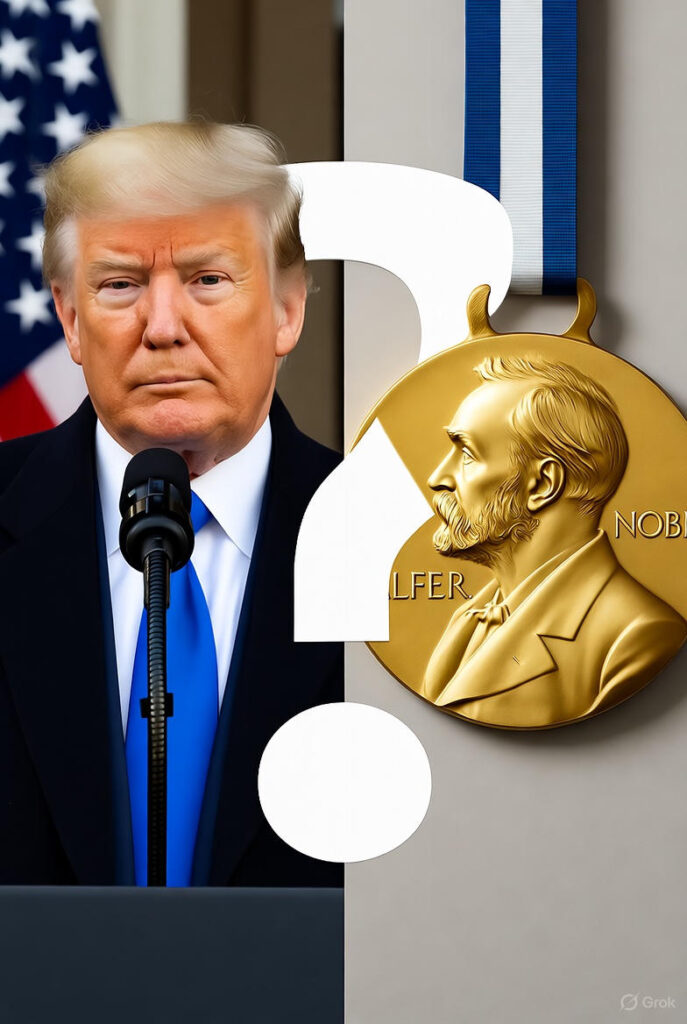
Trump and the Nobel Peace Prize – Does He Really Deserve It? As María Corina Machado wins the 2025 Nobel Peace Prize, Donald Trump’s supporters reignite the debate: has his diplomacy from Gaza to Ukraine earned him the honor, or does his divisive legacy outweigh his peace deals? Let’s examine both sides.
Trump and the Nobel Peace Prize – Does He Really Deserve It?
The world woke up today to a surprise announcement: Venezuelan opposition leader María Corina Machado has won the 2025 Nobel Peace Prize for her unyielding fight against authoritarianism and her defense of democratic rights.
But one man’s name dominated online discussions Donald J. Trump, who once again walked away empty-handed despite another year of high-profile nominations and self-promotion. The former U.S. President, who has openly courted the honor for years, found himself overshadowed by a figure representing civic courage rather than political power.
Trump’s supporters are furious. They argue his diplomatic breakthroughs especially his Gaza ceasefire deal, Middle East accords, and even attempted Ukraine-Russia mediation make him a prime candidate. Critics counter that the Nobel Prize is about moral peace and human unity, not tactical deal-making or political posturing.
So, as the dust settles, one question returns to the center of global debate:
Does Donald Trump truly deserve the Nobel Peace Prize?
A Look Back: The Nobel Peace Prize’s Original Vision (Wikipedia)
Established in 1901 through Alfred Nobel’s will, the Peace Prize honors those who “confer the greatest benefit to humankind” by advancing peace, diplomacy, or fraternity between nations. Laureates have included Nelson Mandela, Mother Teresa, Barack Obama, and Malala Yousafzai all figures associated with moral courage and unity.
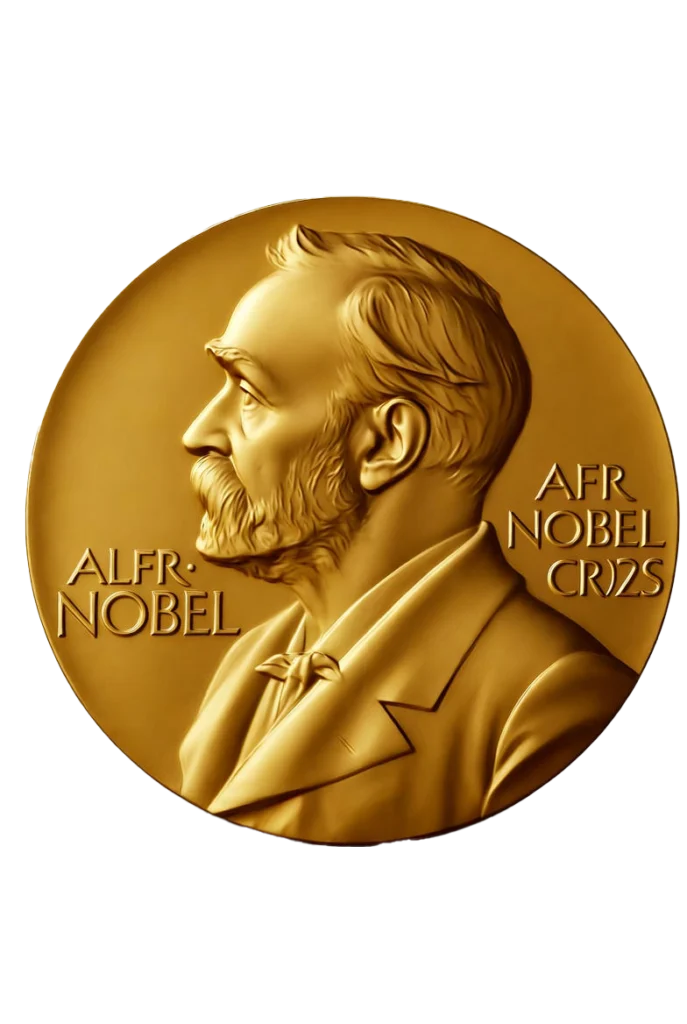
The spirit of the award has always valued compassion and cooperation over brute strategy. Which raises the question: can a man like Trump, defined by confrontation and disruption, fit that mold?
The Case for Trump: A Deal-Maker in a Chaotic World
Trump’s presidency and post-presidency era are filled with unconventional moves. Supporters argue he’s achieved peace through bold negotiation, not traditional diplomacy. Here’s why many believe he’s earned the right to stand among Nobel laureates.
1. The Abraham Accords: Redefining Middle East Peace
In 2020, the Abraham Accords reshaped the Middle East. Under Trump’s leadership, Israel normalized relations with the United Arab Emirates, Bahrain, Sudan, and Morocco.
This breakthrough broke decades of political gridlock. Critics dismissed it as superficial at first, but five years later, trade, tourism, and tech collaboration between these nations continue to grow.
Supporters see the accords as a foundational peace structure stability through mutual economic dependence rather than endless negotiations over ideology.
Trump often says:
“They said peace was impossible. I made it happen. I did it my way.”
Even analysts critical of his tone concede that the accords reduced open hostility and created a rare bridge across old rivalries.
2. 2025 Gaza Ceasefire: A Historic, Contentious Victory
Just hours before the Nobel announcement, Israel’s cabinet approved Trump’s 20-point Gaza peace plan. The deal includes a full ceasefire, the release of all hostages held by Hamas, and the establishment of an International Stabilization Force to rebuild Gaza.
The conflict had dragged on for three years, claiming tens of thousands of lives. Trump’s proposal reportedly came after months of secret talks involving Egyptian, Qatari, and Turkish diplomats.
The White House called it “a monumental humanitarian success.” Even skeptics admitted that saving lives through diplomacy is worthy of recognition.
For his supporters, the timing of this success makes the Nobel snub even more frustrating proof, they say, of bias within the committee.
3. Ukraine Diplomacy: Pragmatic or Problematic?
Reports suggest Trump also attempted backchannel talks between Ukraine and Russia, pushing for a ceasefire involving territorial compromise in exchange for security guarantees.
Critics saw this as coercion, but Trump’s allies called it “realism.” They note that during his first term, he avoided starting any new wars a rare feat among U.S. presidents.
His team claims that, despite controversy, he prevented eight potential global escalations through “negotiation pressure,” not military force.
4. No New Wars During His Presidency
From Afghanistan to Syria, Trump resisted pressure to initiate new conflicts. While he expanded drone operations, he also withdrew U.S. troops from several prolonged war zones.
To his defenders, this restraint epitomizes peacekeeping. “Peace through strength,” they argue, means deterrence without destruction.
5. Rebalancing NATO Contributions
Trump’s demand that NATO members increase defense spending was seen by many as aggressive. Yet, as a result, over a dozen allies met or exceeded the 2% GDP defense target for the first time.
Supporters claim this strengthened Western security without resorting to new military entanglements a less obvious, but meaningful contribution to global stability.
The Case Against: Rhetoric Over Results
For every admirer of Trump’s diplomacy, there’s an equally passionate critic who says he’s unfit for the Nobel Peace Prize. They point to contradictions, volatile language, and decisions that destabilized alliances rather than fostered unity.
1. Divisive Rhetoric
The Nobel Prize celebrates harmony. Trump’s tone especially during his presidency was anything but. His use of labels like “animals,” “losers,” and “fire and fury” painted him as confrontational.
Critics argue peace isn’t just about deals it’s about how you lead. Trump’s approach alienated allies, deepened global divides, and inflamed domestic unrest.
As one European diplomat noted:
“He negotiates like a businessman, not a statesman. Peace demands humility.”
2. Policy Contradictions and Withdrawals
Trump withdrew the U.S. from several key global accords, including:
- The Paris Climate Agreement
- The Iran Nuclear Deal (JCPOA)
- The Trans-Pacific Partnership (TPP)
Each move weakened multilateral cooperation. Critics claim that leaving the Iran deal directly increased Middle East instability a contradiction to his peace narrative.
3. The Gaza Plan’s Hidden Costs
While the new Gaza peace plan is being celebrated, analysts warn it gives the U.S. oversight authority over Gaza’s reconstruction. Some call it “neo-colonial supervision,” while others fear it prioritizes image over sovereignty.
Moreover, critics say Trump’s “Riviera Gaza” proposal a vision of luxury resorts along rebuilt coastlines turns tragedy into commercial opportunity.
4. Controversies and Personal Motivations
Even during moments of peace-making, Trump’s motives are questioned. His public campaign for the Nobel Prize has been relentless. His tweet last week read:
“Nobody has done more for peace than me Nobel Committee, do the right thing!”
To critics, this self-promotion undermines the spirit of humility associated with Nobel laureates like Mandela or Mother Teresa.
The Symbolism of Machado’s Win
In contrast, the 2025 Nobel Committee awarded María Corina Machado a Venezuelan opposition leader jailed, beaten, and silenced for defending democratic values.
Her victory, in the eyes of the committee, symbolizes nonviolent resistance, not transactional diplomacy. Nobel observers say her win reaffirms the prize’s moral compass, rewarding personal sacrifice over political spectacle.
A senior Norwegian official commented anonymously:
“Machado embodies peace through courage. Trump pursues peace through dominance. The difference is moral, not procedural.”
Comparing Trump’s Record to Previous Nobel Winners
| Category | Donald Trump | María Corina Machado | Barack Obama | Nelson Mandela |
|---|---|---|---|---|
| Approach | Deal-making, transactional | Civil resistance, democratic activism | Multilateral diplomacy | Reconciliation and forgiveness |
| Global Image | Polarizing | Inspirational | Hopeful | Revered |
| Achievements | Abraham Accords, Gaza ceasefire | Democracy in Venezuela | Nuclear diplomacy | End of apartheid |
| Moral Symbolism | Contested | Strong | Moderate | Universal |
Expert Opinions
- Christian Tybring-Gjedde, the Norwegian MP who nominated Trump:
“His peace initiatives in the Middle East and Ukraine deserve recognition. The committee has overlooked a genuine effort for stability.” - Nobel historian Asle Sveen:
“Trump mistakes negotiation for reconciliation. The Nobel Prize honors moral peacemakers, not tactical ones.” - Political analyst Farah Nasser:
“Trump may have achieved deals, but his methods divide humanity. Peace without empathy is hollow.”
Public Reactions Across Social Media
Social media exploded after the Nobel announcement.
On X (formerly Twitter):
- “Trump just freed Gaza’s hostages but lost to Machado? Unreal.”
- “Nobel is political now. Real peace doesn’t matter.”
- “He’ll announce tariffs on Norway by morning.”
Meanwhile, others mocked the situation:
- “Trump sells bombs to Israel, then asks for peace prizes.”
- “María Corina Machado deserves it 100%. She risks her life for freedom. Trump risks his ego.”
This digital tug-of-war underscores the global divide between those who see Trump as a peacemaker and those who see him as a populist opportunist.
Pros and Cons: The Nobel Debate
| Arguments For Trump | Arguments Against Trump |
|---|---|
| Brokered the Abraham Accords, reshaping the Middle East. | Divisive tone and self-promotion contradict Nobel ideals. |
| Achieved 2025 Gaza ceasefire and hostage release. | Gaza plan raises sovereignty and humanitarian concerns. |
| Avoided new wars as U.S. President. | Withdrew from key global agreements, worsening tensions. |
| Encouraged NATO accountability. | Prioritized political gain over genuine peace values. |
| Promoted “peace through strength.” | Peace requires humility and inclusiveness. |
A Philosophical Question: What Is Peace Today?
The Nobel Committee’s challenge is timeless: how do you define peace in an age of power politics?
Trump’s defenders argue that peace through leverage and negotiation is modern realism. Critics insist peace without empathy and justice is unsustainable.
Perhaps both are right in part peace today demands strength and humanity. But Nobel history tends to favor those who heal rather than dominate.
Historical Parallels: A Lesson from the Past
When Yasser Arafat, Shimon Peres, and Yitzhak Rabin won the 1994 Peace Prize for the Oslo Accords, critics were divided. Some called them heroes; others saw hypocrisy.
Similarly, when Barack Obama received the 2009 prize, he had yet to achieve any concrete peace but the committee rewarded his vision of unity.
Trump’s fans point out the irony:
“Obama got the prize for promises. Trump deserves it for results.”
But Nobel decisions rarely hinge on achievements alone they’re moral statements about the kind of world the committee wishes to celebrate.
Does Trump Truly Deserve It?
If peace were measured only in signed deals and halted wars, Trump might deserve serious consideration. His Gaza ceasefire, Middle East normalization, and non-interventionist record are undeniably impactful.
Yet, the Nobel Peace Prize is not about political transactions it’s about human transformation. Machado’s courage under dictatorship reflects that spirit more clearly than any contract or summit.
Trump may bring peace through power, but Nobel peace comes from principle.
Global Implications: What Happens Next?
The 2025 Nobel outcome could influence global politics:
- For Trump: The snub might energize his “America First” base and frame him as the outsider fighting the global elite.
- For the Nobel Committee: It reaffirms moral activism as the essence of peace.
- For the World: The debate itself renews interest in what peace really means in a fractured world.
Whether he was robbed or rightly passed over, the question won’t fade soon.
Legacy or Lost Opportunity?
Donald Trump’s pursuit of the Nobel Peace Prize reveals a paradox. He’s achieved tangible peace deals but alienated much of the world with his combative persona.
The Nobel Committee chose a figure of sacrifice over strategy. Yet Trump’s diplomacy especially the 2025 Gaza ceasefire remains historically significant.
If peace has many faces, perhaps both leaders reflect different sides of it: Machado’s courage and Trump’s calculation. History will judge which mattered more.
Link sources for this article:
- (Wikipedia)
- (BBC News)
- (The Guardian)
- (Reuters)
🔔 For more tutorials like this, consider subscribing to our blog.
📩 Do you have questions or suggestions? Leave a comment or contact us!
🏷️ Tags: Trump Nobel Peace Prize, María Corina Machado, Gaza ceasefire, Nobel Committee, Abraham Accords, Donald Trump, world peace, diplomacy, U.S. politics, Middle East
📢 Hashtags: #TrumpNobelPeacePrize, #DonaldTrump, #NobelPeacePrize, #MiddleEastPeace, #GazaCeasefire, #AbrahamAccords, #WorldPolitics, #Diplomacy, #Machado, #PeaceDebate
See also: Why You Should Photograph Your Hotel Room Before Checkout
