


⏲️ Estimated reading time: 9 min
Table of Contents
The Nobel Peace Prize: Everything You Need to Know. The Nobel Peace Prize remains one of the world’s most prestigious awards, honoring remarkable contributions to peace, human rights, and global cooperation. This comprehensive guide explains its origins, selection process, controversies, iconic laureates, and lasting global impact offering everything you need to understand this influential international prize.
The Nobel Peace Prize: Everything You Need to Know
Understanding the Legacy of the Nobel Peace Prize. The Nobel Peace Prize stands as a global symbol of hope, cooperation, and the relentless quest for peace among nations. Awarded annually in Oslo, Norway, it shines a spotlight on individuals, organizations, and grassroots movements that strive to end conflicts, protect human rights, prevent war, and promote humanitarian values.
Its influence reaches far beyond the award ceremony, shaping public conversations, influencing policy, and inspiring generations to pursue peace.
To fully appreciate the significance of the Nobel Peace Prize, it is essential to understand where it began, how laureates are selected, and why the award remains both inspiring and controversial. This comprehensive guide explores its history, processes, famous winners, global impact, debates, and the evolution of peace activism.
The Origins of the Nobel Peace Prize
Alfred Nobel’s Vision for Peace
Alfred Nobel, a Swedish chemist, engineer, and inventor best known for creating dynamite, shocked the world when he dedicated most of his fortune to establishing the Nobel Prizes. In his 1895 will, he outlined five prizes Physics, Chemistry, Physiology or Medicine, Literature, and Peace.
The Peace Prize was unique because it reflected Nobel’s desire to support those who work to eliminate violence, reduce militarization, and foster cooperation among nations.
Why Did Alfred Nobel Choose Peace?
Historians offer several theories:
- He regretted the destructive uses of his inventions.
- He was influenced by Bertha von Suttner, a peace activist and friend who later won the Peace Prize herself.
- He believed that scientific and social progress must be coupled with global stability.
Whatever his motivation, his decision created a legacy that continues to shape modern peace efforts.
Why Norway and Not Sweden?
Though Alfred Nobel was Swedish, he instructed that the Peace Prize be awarded by a committee appointed by the Norwegian parliament.
Possible reasons include:
- Norway’s reputation for diplomatic neutrality at the time.
- The union between Sweden and Norway, which gave Norway a symbolic role in peace matters.
- Nobel’s belief that Norway could fairly and independently judge peace efforts.
This tradition continues today, making the Nobel Peace Prize the only Nobel award not presented in Sweden.
How the Nobel Peace Prize Is Awarded
The Nomination Process
Each year, thousands of experts are invited to submit nominations. Eligible nominators include:
- University professors in history, political science, social sciences, and law
- Members of national governments and parliaments
- Former Nobel laureates
- International court judges
- Directors of peace organizations
Nominations must be submitted by January 31 of each year, and the list remains secret for 50 years.
The Role of the Norwegian Nobel Committee
The committee has five members chosen by the Norwegian Parliament. Their duties include:
- Reviewing hundreds of nominations
- Consulting experts on global conflicts and peace movements
- Conducting months of analysis
- Selecting the laureate(s) through a majority vote
Their work is confidential, yet the results influence global politics and public reaction every year.
Criteria for Winning
According to Nobel’s will, the prize goes to the person or group that:
- Promotes “fraternity between nations”
- Works for the “abolition or reduction of standing armies”
- Contributes to “peace congresses” or diplomacy
Over time, this definition has expanded to include:
- Human rights defenders
- Environmental activists
- Organizations fighting hunger or disease
- Whistleblowers
- Campaigns against nuclear weapons
This evolution reflects modern understandings of what peace requires.
What Laureates Receive
Winners are awarded:
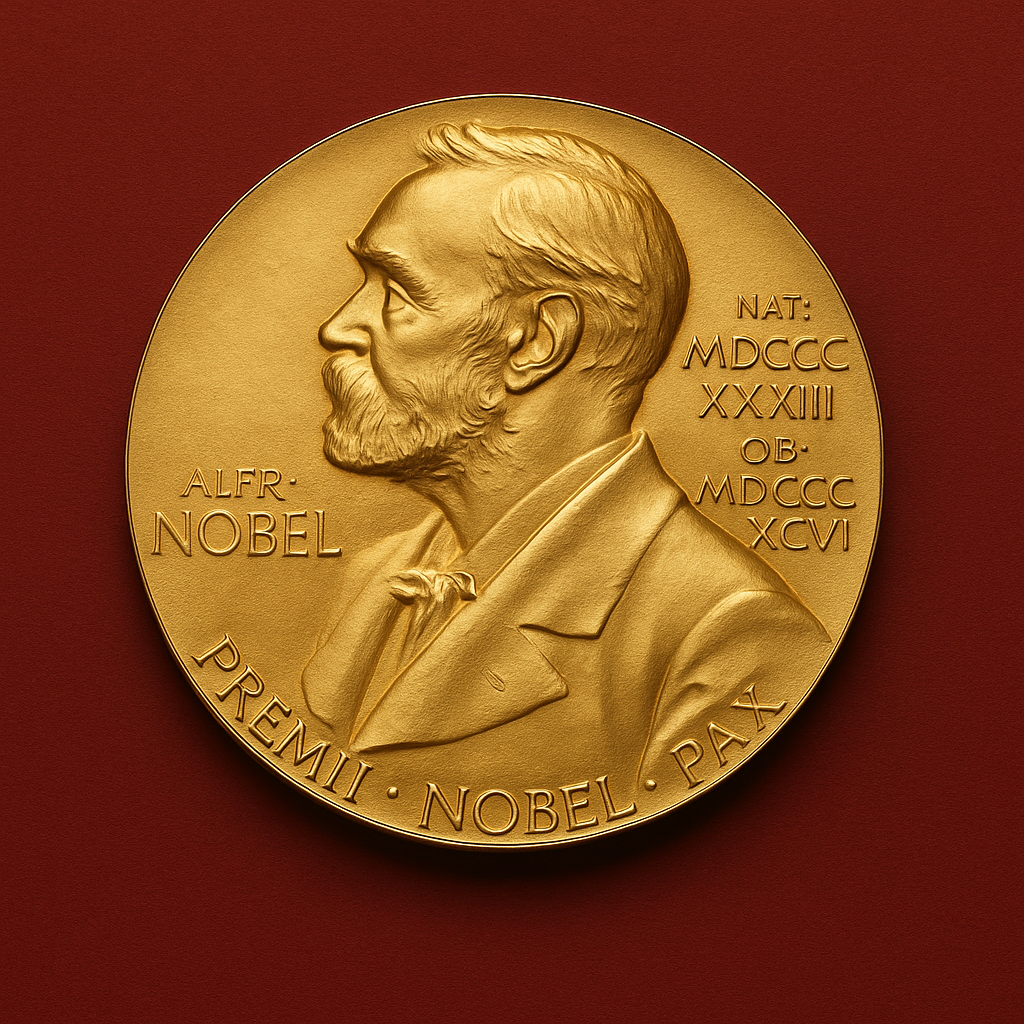
- A gold medal
- A Nobel diploma
- A cash prize (usually around $1 million USD, depending on the Nobel Foundation’s annual financial results)
Laureates may share the prize with others if the committee awards it jointly.
The Nobel Peace Prize Ceremony
Why It Takes Place in Oslo
On December 10, Alfred Nobel’s death anniversary, laureates attend the official ceremony at Oslo City Hall.
Guests include:
- Royal family members
- Government officials
- Diplomats
- Media representatives
- Global peace activists
The ceremony also features speeches from laureates and musical performances, followed by a banquet.
The Nobel Lecture
Every laureate must deliver a Nobel Lecture, a tradition considered as significant as the prize itself.
These lectures often become historic documents outlining visions for:
- Ending war
- Fighting injustice
- Promoting human dignity
- Strengthening democracy
Some lectures, like those of Martin Luther King Jr. and Malala Yousafzai, are still widely quoted today.
Famous Nobel Peace Prize Laureates
Martin Luther King Jr. (1964)
Honored for his nonviolent struggle for civil rights in the United States, King’s influence on global movements for equality remains unmatched.
Mother Teresa (1979)
Awarded for her lifetime of service to the poorest communities, she symbolized compassion, charity, and humanitarian dedication.
Nelson Mandela (1993)
Together with F.W. de Klerk, Mandela received the prize for ending apartheid and building a new democratic South Africa.
Malala Yousafzai (2014)
Shot by the Taliban for advocating girls’ education, Malala became the youngest Nobel laureate in history at age 17.
Barack Obama (2009)
Awarded early in his presidency, the choice sparked debates but recognized his diplomatic vision and international engagement.
Lech Wałęsa (1983)
Acknowledged for leading Solidarity, the first independent labor movement in Soviet-controlled Eastern Europe.
International Organizations
Over the years, the prize has gone to groups that shape global peace efforts:
- The United Nations Peacekeeping Forces
- Doctors Without Borders (MSF)
- The Red Cross
- International Campaign to Abolish Nuclear Weapons (ICAN)
- The World Food Programme
These organizations demonstrate that peace is often a collective effort.
Controversies Surrounding the Nobel Peace Prize
The Peace Prize has been praised for uplifting global heroes but also criticized for political decisions, unexpected winners, or controversial omissions.
Unexpected Laureates
Some awards generated intense debate:
- Barack Obama (2009) – Awarded during his first year as U.S. president
- European Union (2012) – Controversial because of economic and political tensions within the EU
- Aung San Suu Kyi (1991) – Once hailed, later accused of silence during Myanmar’s crisis
Critics argue that decisions can reflect political motivations.
Omissions and Missed Opportunities
Some widely recognized champions of peace never received the prize, including:
- Mahatma Gandhi
- Eleanor Roosevelt
- Pope John Paul II
- Václav Havel
Gandhi’s omission remains one of the prize’s greatest controversies.
Political Influence
Some argue the committee’s decisions are influenced by:
- Global geopolitics
- Norway’s foreign policy
- International diplomatic needs
- Current world crises
Even so, the prize remains a powerful symbol that encourages debate and reflection.
The Global Impact of the Nobel Peace Prize
Protecting Activists
Winning can provide:
- International visibility
- Political protection
- Increased global pressure on authoritarian regimes
Many activists credit the prize with saving their lives.
Promoting Human Rights
Numerous laureates focus on:
- Freedom of speech
- Democracy
- Women’s rights
- Equality
- Anti-violence efforts
Their achievements inspire global movements and youth activism.
Shaping Global Policy
Some Nobel lectures and campaigns have influenced:
- Nuclear disarmament agreements
- Refugee protection laws
- International humanitarian efforts
The prize effectively gives winners a microphone to speak to the world.
Inspiring Generations
For teachers, students, and communities worldwide, the Nobel Peace Prize represents:
- Courage
- Justice
- Moral responsibility
- Hope
Its stories shape school curriculums, documentaries, and global campaigns for a better future.
Notable Trends in Nobel Peace Prize Awards
Shifting from Diplomacy to Human Rights
Earlier laureates were focused on treaties and political negotiations. Recent laureates often work on:
- Humanitarian crises
- Climate justice
- Women’s empowerment
- Anti-poverty initiatives
More Youth and Grassroots Movements
The prize has grown more inclusive, recognizing:
- Teen activists (Malala)
- Community-driven organizations
- Indigenous groups
- NGOs fighting injustice
Growing Focus on Climate and Environment
The committee increasingly recognizes environmental issues as deeply connected to global peace.
Frequently Asked Questions
Q1: Who was the first Nobel Peace Prize winner?
A: The first winners in 1901 were Frédéric Passy and Henry Dunant, recognized for peace activism and founding the Red Cross.
Q2: Can the Nobel Peace Prize be awarded posthumously?
A: Only if the laureate dies after the announcement. Otherwise, posthumous awards are not permitted.
Q3: Can someone refuse the prize?
A: Yes, but it is very rare. Some laureates under political pressure declined it, though the committee still listed them officially.
Q4: How much money comes with the prize?
A: The cash award varies, usually around one million USD.
Q5: Why does the Peace Prize get more criticism than other Nobel Prizes?
A: Because peace is political, and decisions often reflect global conflicts, human rights issues, and diplomatic priorities.
Q6: Can multiple people share the prize?
A: Yes, up to three individuals or multiple organizations can share the award.
Q7: Why do nominations stay secret for 50 years?
A: To protect nominators, avoid political pressure, and allow historical evaluation long after events have passed.
Q8: Is the Nobel Peace Prize always given every year?
A: Not always. In rare cases, if no suitable candidate exists, the prize can be withheld.
A Look Toward the Future of Peace Efforts
The Nobel Peace Prize continues to evolve as global challenges change. Today’s era brings cyber threats, global pandemics, environmental crises, and rising political tensions.
The award serves as a reminder that peace requires effort, solidarity, and the courage to speak out. New generations of activists, innovators, and humanitarians are reshaping the meaning of peace, proving that Alfred Nobel’s vision still guides our world.
🟦 Disclaimer and Source Hygiene
Read also: Thailand Deep South Attack: What Happened at the Bukeh Sami
This article is for informational purposes only. It is based on research from reputable academic sources, historical documents, and publicly available information about the Nobel Foundation. For expert guidance, consult official publications or peace-studies specialists.
🔔 For more tutorials like this, consider subscribing to our blog.
📩 Do you have questions or suggestions? Leave a comment or contact us!
🏷️ Tags: Nobel Peace Prize, Alfred Nobel, global peace, conflict resolution, human rights, international awards, peace activists, Nobel laureates, world diplomacy, humanitarian efforts
📢 Hashtags: #NobelPeacePrize, #GlobalPeace, #HumanRights, #NobelLaureates, #PeaceActivism, #WorldDiplomacy, #InternationalAwards, #HumanitarianWork, #GlobalCooperation, #HelpZoneBlog
