


⏲️ Estimated reading time: 6 min
Table of Contents
April 5, 1994, marked the tragic loss of Kurt Cobain, frontman of Nirvana. His death shocked the world, ending the life of a generation’s voice and leaving behind a legacy that still influences music, culture, and millions of fans worldwide today.
Read also: Actors Sentenced For Life
🌍 A Moment That Changed Music Forever
On April 5, 1994, the music world lost more than just a singer.
It lost a voice that defined a generation.
Kurt Cobain was not just the lead singer of Nirvana. He was a symbol of raw emotion, rebellion, and truth. His music spoke to millions who felt misunderstood, lost, or disconnected.
That day became one of the darkest moments in modern music history. But to truly understand what we lost, we need to understand who Kurt Cobain was and why his absence still echoes today.
🎸 Who Was Kurt Cobain? The Voice of a Generation
Kurt Cobain was born on February 20, 1967, in Aberdeen, Washington.
From an early age, he showed a deep connection to music and art. However, his childhood was far from easy. His parents’ divorce deeply affected him, shaping much of the emotional depth later found in his lyrics.
In the late 1980s, Cobain formed Nirvana, alongside bassist Krist Novoselic and later drummer Dave Grohl.
What started as an underground band quickly exploded into global fame. Their sound raw, distorted, and emotional became the foundation of a new genre: grunge.
🔥 The Rise of Nirvana and Global Fame
Everything changed in 1991.
That year, Nirvana released the album Nevermind, featuring the iconic song Smells Like Teen Spirit.
The impact was immediate.
The song became an anthem. It broke into mainstream charts and pushed alternative rock into the spotlight. Suddenly, Nirvana was everywhere.
But fame came at a cost.
Cobain struggled with the pressure of being labeled “the voice of a generation.” He never wanted that title. He rejected fame, media attention, and the commercialization of his music.
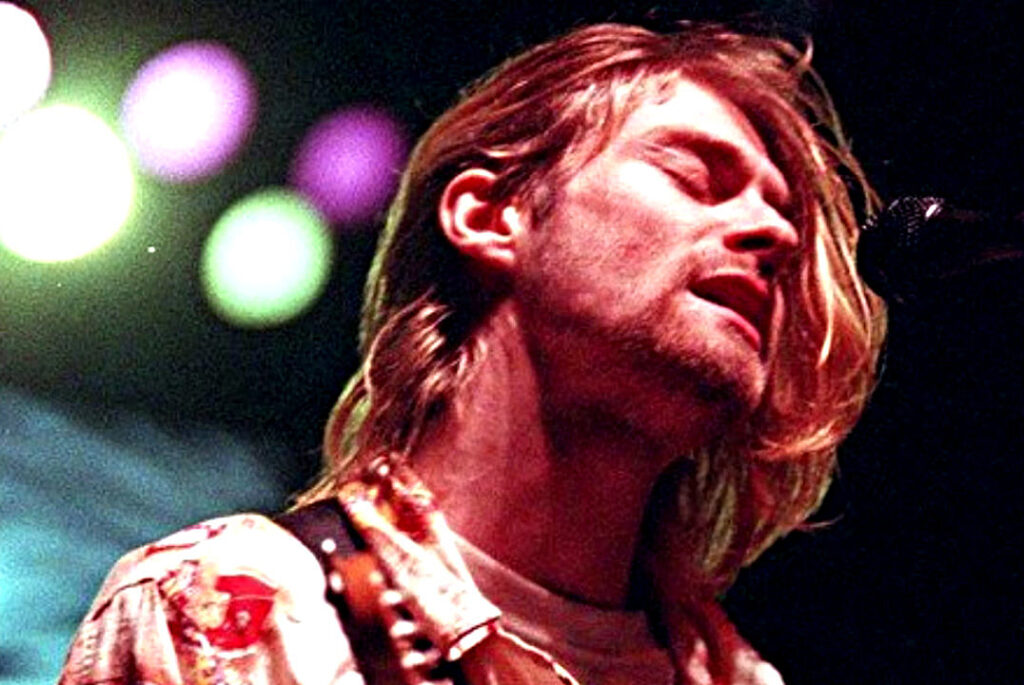
💔 Behind the Fame: Pain, Pressure, and Struggles
Despite his success, Cobain faced deep personal struggles.
He battled:
- Chronic health issues
- Depression
- Substance abuse
- The overwhelming pressure of fame
His marriage to Courtney Love was often under intense public scrutiny. Their relationship was complicated, passionate, and heavily criticized by the media.
Cobain also struggled with identity and expectations. Fans idolized him, but he often felt disconnected from the image people had created.
He once said he hated what he had become in the public eye.
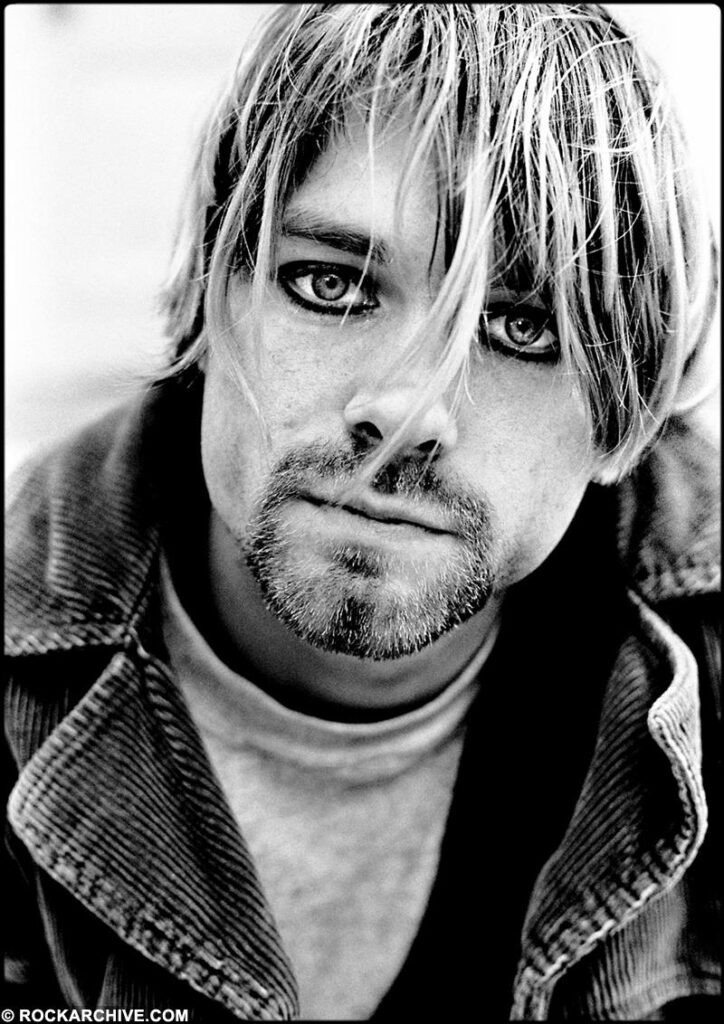
⚠️ The Final Days Before April 5, 1994
In early 1994, Cobain’s life began to unravel.
He had recently completed a European tour, but it was cut short due to his declining health. Shortly after, he was hospitalized in Rome following a drug overdose an event many saw as a warning sign.
Back in Seattle, things worsened. Cobain left a rehabilitation center in Los Angeles and returned home. For several days, he was missing. On April 8, 1994, his body was discovered at his home in Seattle. Authorities later confirmed that he had died on April 5.
🕊️ The Tragic Discovery and Global Shock
The news spread quickly. Fans around the world were devastated.
For many, Kurt Cobain wasn’t just a musician he was someone who understood their pain. His lyrics felt personal, honest, and real.
His death sparked conversations about:
- Mental health
- Addiction
- The dark side of fame
Thousands gathered in Seattle to mourn. Vigils were held worldwide.
It felt like an entire generation had lost its voice overnight.
🎶 Kurt Cobain’s Legacy in Music and Culture
Even decades later, Cobain’s influence remains powerful.
His music continues to inspire artists across genres. Bands and musicians still cite Nirvana as a major influence.
Albums like In Utero and the legendary MTV Unplugged in New York showcase the depth of his artistry.
His style both musical and visual defined the grunge movement.
More importantly, his honesty opened the door for conversations about mental health in music.
🧠 The Psychology Behind His Art
Kurt Cobain’s lyrics were deeply introspective.
They reflected:
- Inner conflict
- Emotional pain
- Social alienation
- A search for meaning
Songs often carried raw vulnerability. Unlike many artists, Cobain didn’t hide behind polished images or commercial appeal.
He showed the truth even when it was uncomfortable.
That honesty is what made people connect with him so deeply.
🌍 Why His Death Still Matters Today
More than 30 years later, Kurt Cobain’s death still resonates.
Why?
Because the issues he faced are still relevant:
- Mental health struggles
- Addiction
- Pressure from social expectations
His story serves as a reminder that success does not equal happiness.
It also highlights the importance of support, understanding, and open conversations about emotional well-being.
📊 The Impact on the Music Industry
Cobain’s death marked the end of an era.
Grunge began to fade from mainstream dominance. The music industry shifted, but his influence never disappeared.
Artists today from rock to pop still carry elements of his style:
- Authentic lyrics
- Raw sound
- Emotional honesty
He changed how music could be expressed.
Frequently Asked Questions
Who was Kurt Cobain?
Kurt Cobain was the lead singer and guitarist of Nirvana, a band that helped define the grunge movement in the early 1990s.
When did Kurt Cobain die?
He died on April 5, 1994, at the age of 27.
What caused Kurt Cobain’s death?
His death was officially ruled a suicide.
Why was Kurt Cobain so influential?
His music captured raw emotion and spoke directly to a generation that felt misunderstood.
What is Nirvana’s most famous song?
“Smells Like Teen Spirit” is widely considered their most iconic track.
Did Kurt Cobain struggle with mental health?
Yes, he faced depression, addiction, and intense pressure from fame.
What is the “27 Club”?
It refers to famous musicians who died at age 27, including Kurt Cobain.
Is Nirvana still popular today?
Yes, their music remains influential and widely listened to worldwide.
What legacy did Kurt Cobain leave behind?
A legacy of authenticity, emotional honesty, and musical innovation.
🔚 A Voice That Still Echoes
- Kurt Cobain may be gone, but his voice is not.
- It lives on in every chord, every lyric, and every artist who dares to be real.
- He reminded the world that music is not just entertainment it is expression, truth, and connection.
- And on April 5, 1994, the world didn’t just lose a musician.
- It lost a piece of its soul.
⚠️ Disclaimer and Source Hygiene
This article is based on publicly available information, historical records, and widely accepted sources. It is intended for educational and informational purposes only. For mental health concerns, always consult a qualified professional.
🔔 For more tutorials like this, consider subscribing to our blog.
📩 Do you have questions or suggestions? Leave a comment or contact us!
🏷️ Tags: kurt cobain, nirvana, grunge music, 90s rock, music history, kurt cobain death, nevermind album, rock legends, mental health awareness, music culture
📢 Hashtags: #KurtCobain #Nirvana #Grunge #MusicHistory #90sRock #Legend #MentalHealth #RockMusic #Cobain #Nevermind
📚 Sources and References
- Official Nirvana archives
- Music history publications
- Interviews with band members
- Documentaries on Kurt Cobain
🕊️ Secondary Sources and Testimonials
- Artist interviews citing Cobain as inspiration
- Fan tributes and memorial accounts
- Media coverage from 1994
- Cultural analysis of the grunge movement
