


⏲️ Estimated reading time: 6 min
Table of Contents
After Princess Diana’s tragic death, the British monarchy faced a defining crisis. Public grief pushed Queen Elizabeth II to break centuries-old protocol, marking a historic shift where humanity finally took precedence over rigid royal tradition.
👑 Princess Diana Changed Royal History
🌍 British monarchy
For centuries, the British monarchy has been built on tradition. Every movement, every appearance, and every word follows strict rules. Protocol is not optional. It is the backbone of royal identity.
Yet in 1997, something extraordinary happened. A woman who was no longer officially part of the royal family changed everything. That woman was Princess Diana.
And her death forced even Queen Elizabeth II to make decisions that would redefine the monarchy forever.
💔 The Tragic Death That Shook the World

On August 31, 1997, the world woke up to devastating news.
Princess Diana had died in a car crash in Paris.
She was only 36 years old. The shock spread instantly across the globe. Millions of people mourned. Media outlets paused their regular programming. World leaders expressed grief. However, this was not just about the death of a public figure. It was about the loss of someone deeply loved.
🌹 A Nation in Mourning
Outside Buckingham Palace, an unprecedented scene unfolded.
The streets filled with:
- Flowers
- Candles
- Letters
- Silent tears
People did not simply mourn.
They gathered. They connected. They expressed grief together. More importantly, they watched how the monarchy would respond.
🤐 The Silence of Buckingham Palace
In the days following Diana’s death, something felt deeply unsettling. The palace remained silent.
There was no immediate speech from Queen Elizabeth II.
No lowered flag.
No clear emotional acknowledgment.
Why?
Because, according to protocol:
- Diana was no longer a senior royal
- She had divorced King Charles III
- She did not qualify for full royal honors
The monarchy was following rules. But the public was following emotions.
⚠️ Public Anger and Pressure
As the days passed, grief began to transform. It turned into frustration.
People felt:
- Ignored
- Disconnected
- Emotionally abandoned
For one of the first times in modern history, the British monarchy faced real public backlash.
The gap between tradition and human emotion became impossible to ignore.
👑 Queen Elizabeth’s Turning Point
- At this critical moment, Queen Elizabeth II understood something fundamental.
- The rules were no longer protecting the monarchy.
- They were damaging it.
- A monarchy survives only through the trust of its people.
- And that trust was beginning to crack.
- So she made a rare decision.
- She chose to adapt.
🕊️ Breaking Royal Protocol
For the first time in history:
- The Union Flag was lowered over Buckingham Palace
- Diana received ceremonial honors resembling a royal funeral
- Queen Elizabeth II addressed the nation on television
These were not small changes. They were historic, signaled a shift from rigid tradition to emotional awareness.
🙇♀️ The Moment That Shocked the World
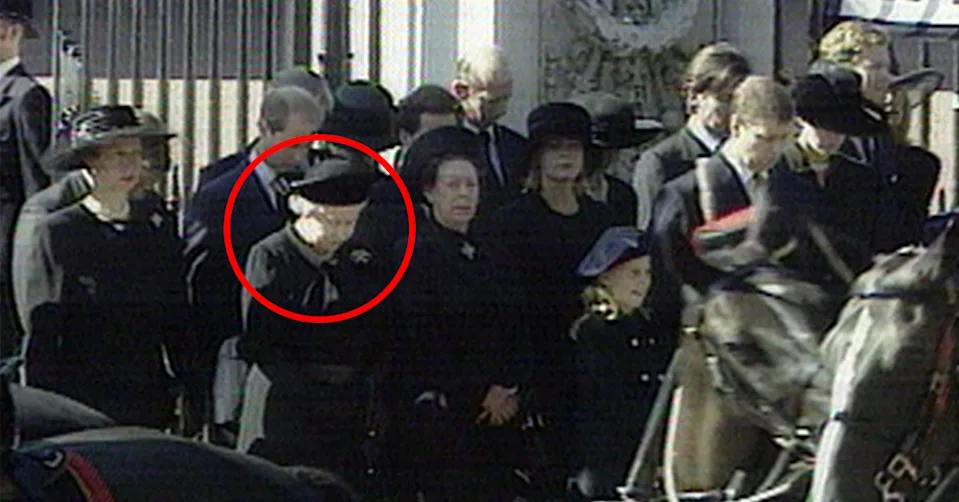
Then came the moment no one expected. As Diana’s coffin passed Buckingham Palace… Queen Elizabeth II bowed her head. A simple gesture. But within royal culture, it was monumental.
Because:
- The Queen does not bow to those of lower rank
- Protocol is strict and symbolic
- Every gesture carries meaning
Yet in that moment, hierarchy disappeared.
You may also be interested in: Thailand Deep South Attack: What Happened at the Bukeh Sami
Respect took its place.
❤️ Why That Gesture Meant Everything
That single bow represented more than respect.
It symbolized:
- Recognition of public grief
- Acceptance of emotional reality
- A shift toward modern leadership
- Humanity over tradition
It was the monarchy saying:
“We understand.”
And people felt it.
🌍 Diana’s Lasting Impact
Even after her death, Princess Diana continued to shape the world.
She was more than a royal figure.
She was:
- A humanitarian voice
- A symbol of empathy
- A bridge between royalty and ordinary people
Often called “The People’s Princess,” she changed how the public viewed the monarchy. And ultimately, she changed how the monarchy viewed the public.
⚖️ Pro & Contra
✔️ Positive Impact
- Modernized the monarchy
- Strengthened emotional connection with the public
- Introduced empathy into leadership
- Humanized royal authority
❌ Criticism
- Reaction came too late
- Initial silence damaged trust
- Exposed rigidity in royal traditions
📊 Before vs After Diana’s Death
| Aspect | Before 1997 | After 1997 |
|---|---|---|
| Royal Communication | Reserved | More open |
| Public Connection | Formal | Emotional |
| Protocol Flexibility | Strict | Adaptable |
| Media Interaction | Limited | Strategic |
🔑 Esentials
- Diana’s death created a global emotional impact
- Royal protocol initially clashed with public expectations
- Queen Elizabeth II adapted under pressure
- A symbolic gesture changed perception worldwide
- Princess Diana reshaped the monarchy even after her death
✍️ When Silence Speaks Louder Than Words
History is not always shaped by wars or speeches.
Sometimes, it changes in quiet moments.
- A crowd standing still.
- A nation grieving together.
- A Queen lowering her head.
And in that silence, everything changed.
❓ Frequently Asked Questions
❓ Why didn’t the Queen speak immediately after Diana’s death?
Royal protocol required distance because Diana was no longer an active royal member.
❓ Why was lowering the flag important?
It symbolized national mourning, something rarely done under traditional royal rules.
❓ Why was the bow so significant?
Because the Queen almost never bows, especially not to someone outside strict hierarchy.
❓ Did Princess Diana really change the monarchy?
Yes. Her influence led to a more modern and emotionally aware royal institution.
❓ Where did Diana die?
She died in Paris after a car accident.
❓ How old was Princess Diana when she died?
She was 36 years old.
❓ What was Diana known for besides being a princess?
She was known for humanitarian work and compassion toward people worldwide.
❓ Why was the public reaction so strong?
Because people felt personally connected to her authenticity and kindness.
⚠️ Disclaimer and Source Hygiene
This article is based on historical records, public reports, and widely documented events. It is intended for informational purposes only. Readers are encouraged to consult verified historical sources and official archives for deeper research.
🔔 For more tutorials like this, consider subscribing to our blog.
📩 Do you have questions or suggestions? Leave a comment or contact us!
🏷️ Tags: princess diana, queen elizabeth, british monarchy, royal history, london, diana funeral, royal protocol, history events, royal family, humanitarian legacy
📢 Hashtags: #PrincessDiana #QueenElizabeth #RoyalFamily #History #London #Monarchy #Diana #Humanity #Legacy #RoyalHistory
📚 Sources and References
- BBC Historical Archives
- Royal Family Official Statements
- Documentaries on Princess Diana
- British Media Coverage (1997)
🕊️ Secondary Sources and Testimonials
- Public tributes recorded in London (1997)
- Interviews with historians and royal experts
- Media analysis of monarchy transformation after Diana’s death
