


⏲️ Estimated reading time: 6 min
Table of Contents
People are rarely controlled through force today. Instead, modern control works through rewards, exclusion, and subtle psychological pressure. This article explains the hidden mechanisms behind psychological control and how people can recognize and protect themselves from it.
Read also: Thailand Deep South Attack: What Happened at the Bukeh Sami
The Invisible Form of Control
Modern control no longer looks like it did in history books.
It does not wear uniforms.
It does not shout orders.
It does not rely on open force.
Instead, it hides behind procedures, promises, rewards, and calculated silence.
Many people believe they are free simply because no one tells them what to do directly.
In reality, their choices are often shaped quietly, from the background.
The text that inspired this analysis reveals one of the most effective forms of control ever created:
not confrontation, but exclusion and psychological conditioning.
What Psychological Control Really Means
Psychological control is the ability to influence decisions, behavior, and perception without direct coercion.
It operates through:
- conditional rewards
- fear of loss
- desire for belonging
- delayed promises
- the illusion of choice
This type of control is extremely effective because:
- it is difficult to prove
- it rarely triggers open resistance
- it convinces people they are acting by free will
Why Direct Confrontation No Longer Works
Arguing with someone who refuses to conform is often ineffective.
Direct confrontation:
- strengthens opposition
- creates solidarity among rebels
- exposes the true intentions of authority
Silent exclusion, however, creates:
- isolation
- self-doubt
- loss of influence
The marginalized person begins to question themselves rather than the system.
This is one of the most deceptive control strategies.
Marginalization: The Invisible Weapon
Marginalization does not involve official punishment.
There are no written warnings.
There are no clear explanations.
There is only:
- less attention
- fewer opportunities
- reduced recognition
Over time, the marginalized individual:
- loses confidence
- becomes quiet
- withdraws voluntarily
The system does not remove them.
They remove themselves.
Rewarding Obedience and the Message It Sends
When obedient individuals are visibly rewarded, the message is clear:
“Compliance pays.”
This strategy:
- motivates the undecided
- discourages critical voices
Those who resist notice that:
- their absence changes nothing
- their effort goes unnoticed
- their voice no longer matters
Eventually, a dangerous conclusion forms:
“Maybe I am the problem.”
Artificially Increasing Difficulty
A subtle control tactic is disproportionate responsibility.
Not as punishment, but as:
- a “loyalty test”
- a “growth opportunity”
- a “chance to prove commitment”
Those who accept are:
- validated
- promoted
- used as examples
Those who refuse:
- are labeled difficult
- lose visibility
- fade quietly
Dividing People Into Small Groups
Large united groups are difficult to control.
Small groups are easier to manipulate.
Dividing people into teams:
- weakens collective unity
- limits communication
- encourages competition
When each team chooses a leader and that leader is rewarded:
- loyalty shifts
- alliances dissolve
- solidarity disappears
Salary Power and the Erosion of Values
Money does not only buy time.
It buys silence and compromise.
A higher salary:
- justifies unethical decisions
- weakens moral resistance
- fractures collective action
People begin competing with each other instead of questioning leadership.
From a strategic perspective, this is a perfect outcome.
The Mask of Generosity
One of the smartest tactics is hiding personal gain behind generosity.
Common phrases include:
- “We do this for your benefit”
- “It’s an opportunity to grow”
- “We want to help you succeed”
When the reward is one-sided and the risk is collective, generosity becomes a disguise.
Planting Dreams as a Control Tool
People are not driven by money alone.
They are driven by hope.
Plant a dream:
- promotion
- stability
- recognition
- future success
Then:
- delay it
- condition it
- redefine it
People continue working not for today, but for a future that never fully arrives.
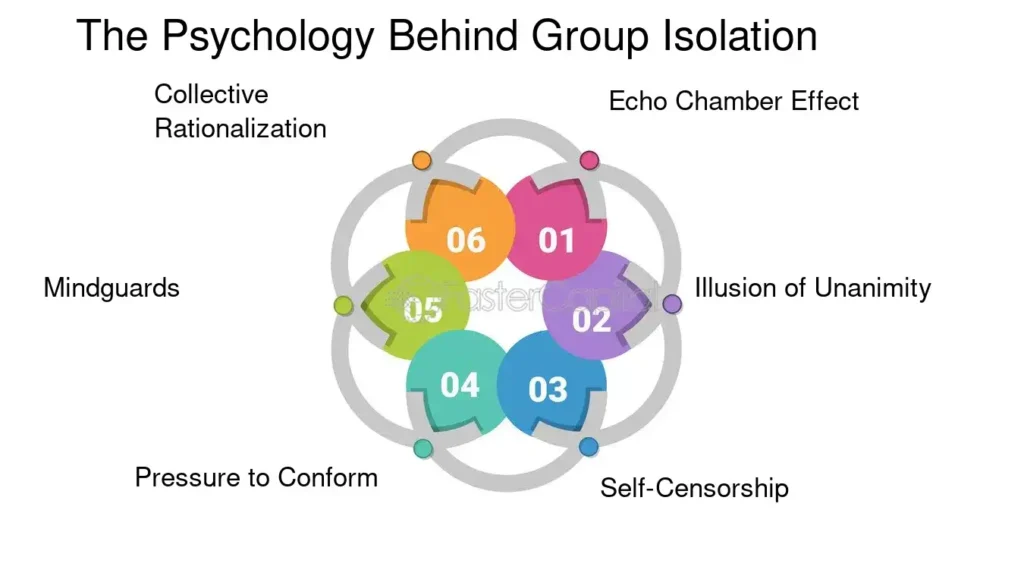
Control Through Poverty and Fear
When people struggle to survive, freedom becomes secondary.
Fear of:
- losing income
- instability
- lack of alternatives
pushes people to accept:
- unfair conditions
- poor treatment
- painful compromises
Not because they want to, but because they feel trapped.
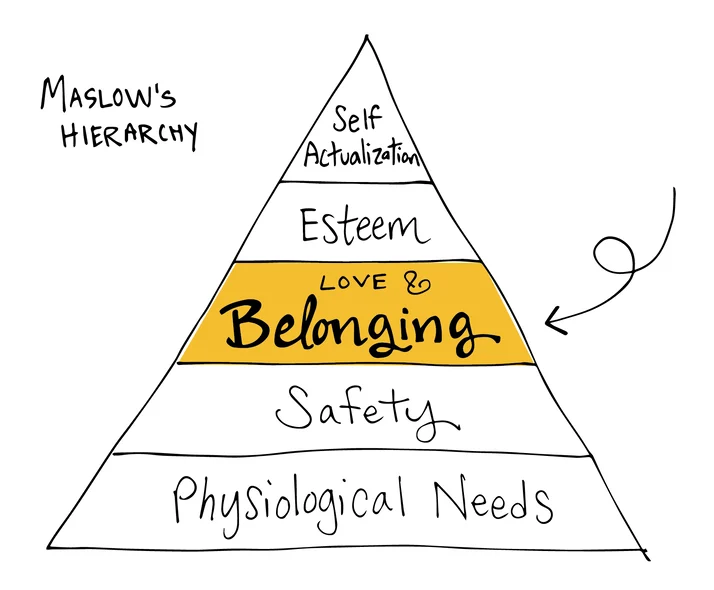
Exploiting Loneliness and the Need to Belong
Lonely people are easier to influence.
Offer them:
- validation
- belonging
- emotional comfort
Then:
- make it conditional
- withdraw it selectively
- use it as leverage
Control becomes emotional rather than rational.
Mindset: The True Source of Power
The text highlights a crucial truth:
real power is not money or status, but mindset.
Whoever controls:
- perception
- expectations
- mental limits
controls behavior.
If you often feel overwhelmed or unable to decide clearly,
it is not because you lack ability.
It is because you were never taught the rules of the game.
How to Recognize Psychological Control
Common signs include:
- constant self-doubt
- fear of speaking up
- accepting what contradicts your values
- waiting for change that never comes
- fear of losing what you already have
Awareness is the first step toward freedom.
How to Break Free From the Pattern
Escaping is difficult, but possible.
Key steps:
- clarify your values
- build alternatives
- develop emotional independence
- seek authentic communities
- learn to say “no”
Freedom begins with clarity.
Frequently Asked Questions
What is subtle psychological control?
It is influence without direct orders, using rewards, fear, and emotional manipulation.
Why is exclusion more effective than punishment?
Because it avoids open resistance and encourages self-elimination.
Can these tactics appear in personal relationships?
Yes, not only at work, but also in families and romantic relationships.
Is the controlled person at fault?
No. These systems are designed to exploit natural human vulnerabilities.
How can manipulation be prevented?
Through psychological education, independence, and firm boundaries.
Why do people stay in toxic systems?
Fear, false hope, and perceived lack of alternatives.
Are these tactics legal?
Often yes, because they are difficult to prove legally.
Can ethical systems exist?
Yes, but they require transparent and conscious leadership.
Understanding the Game Clearly
Modern control does not rely on force.
It infiltrates thinking, emotions, and expectations.
Once you understand the mechanisms, you regain the power to choose consciously.
Not to fight constantly, but to stop being manipulated.
⚠️ DISCLAIMER
This article is for informational and educational purposes only. It does not replace professional psychological or legal advice. The analysis is based on psychological principles, organizational behavior studies, and reflective social texts from public and academic sources.
🔔 For more tutorials like this, consider subscribing to our blog.
📩 Do you have questions or suggestions? Leave a comment or contact us!
🏷️ Tags: psychological control, manipulation, human behavior, psychology, social influence, toxic leadership, mindset, power dynamics, self-awareness, society
📢 Hashtags: #psychology, #manipulation, #psychologicalcontrol, #mindset, #leadership, #selfawareness, #socialdynamics, #power, #influence, #clarity
