

⏲️ Estimated reading time: 12 min
Table of Contents
A Frontier Airlines A321 departing Denver International Airport struck a pedestrian who had breached airport security and entered an active runway. The tragic incident triggered an aborted takeoff, engine fire, and emergency evacuation, raising major concerns about airport perimeter security and runway safety procedures.
Frontier Airlines A321 Runway Incident Shocks Denver Airport
A tragic and highly unusual aviation incident unfolded at Denver International Airport (DEN) when Frontier Airlines Flight 4345 struck and killed a pedestrian during its takeoff roll on Runway 17L.
According to preliminary reports, the individual had intentionally breached the airport perimeter fence and entered the active runway area moments before the collision. The Airbus A321 was accelerating for departure when the crew encountered the person near the mid-field section of the runway.
The incident immediately forced pilots to abort the takeoff near V1 speed, one of the most critical phases of flight. Shortly after the impact, one of the aircraft engines reportedly caught fire due to ingestion of debris, while smoke began entering the cabin.
Passengers evacuated using emergency slides, and officials later confirmed that 12 individuals suffered minor injuries during the evacuation process.
Authorities are now investigating how a person managed to access one of the busiest airport runways in the United States.
What Happened on Frontier Airlines Flight 4345
Frontier Airlines Flight 4345 was preparing to depart Denver International Airport during nighttime operations when the event occurred.
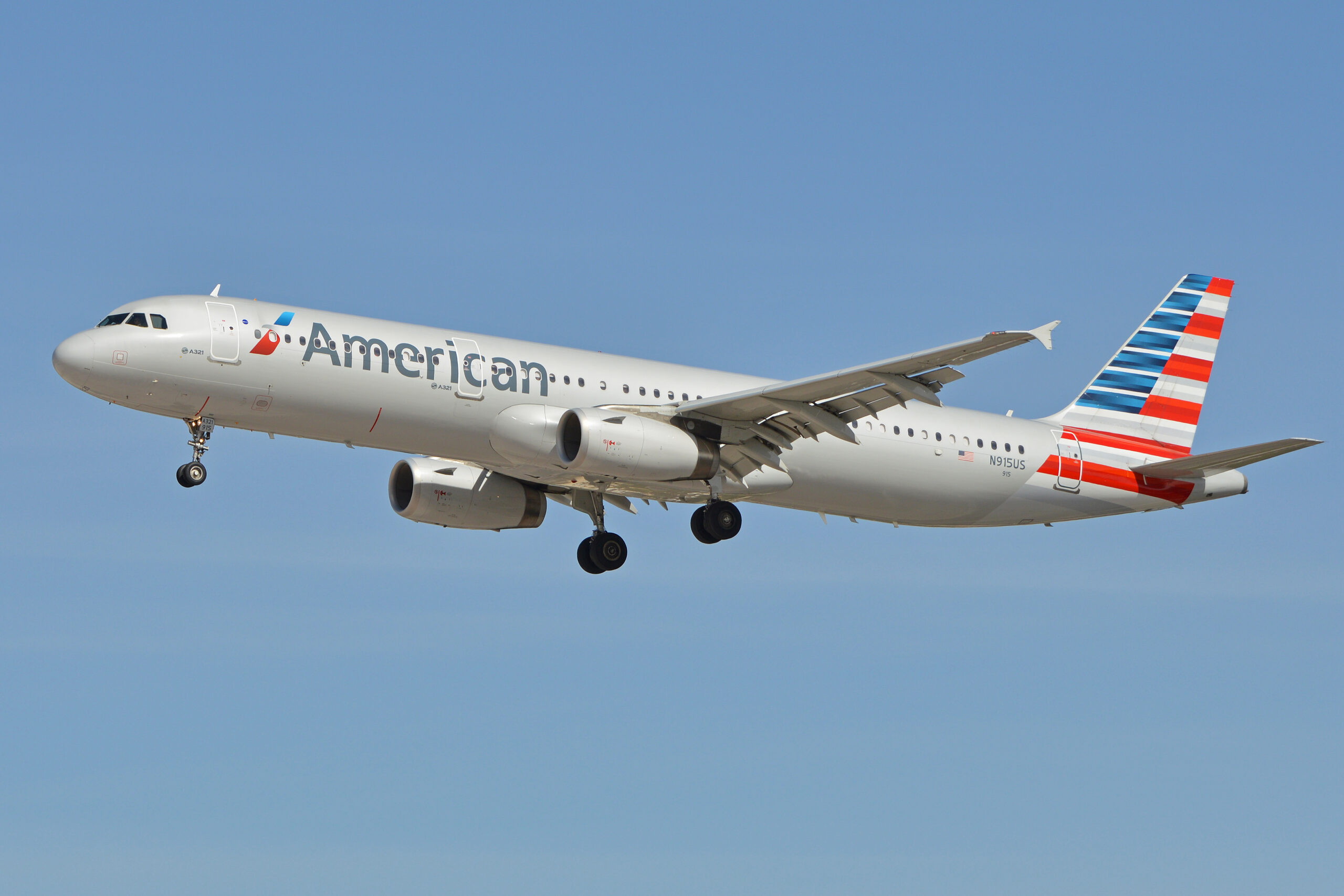
The aircraft involved was an Airbus A321, a narrow-body jet commonly used for medium-haul domestic routes.
Early information indicates that:
- The pedestrian jumped the airport perimeter fence.
- The individual entered Runway 17L intentionally.
- Air traffic controllers and airport security had limited time to react.
- The aircraft struck the person approximately two minutes after the runway intrusion.
- The impact occurred far from terminal areas in Denver Airport’s outer perimeter section.
Pilots immediately initiated a rejected takeoff procedure once they recognized the danger and subsequent engine issues.
The aircraft eventually came to a stop on the runway while emergency crews rushed to the scene.
Understanding the Critical Nature of an Aborted Takeoff Near V1
One of the most concerning aspects of this incident was the timing of the rejected takeoff.
In aviation, V1 is known as the “decision speed.” It represents the point during takeoff when pilots must decide whether to continue or abort.
Below V1:
- Pilots usually have enough runway remaining to stop safely.
Near or above V1:
- Aborting becomes significantly more dangerous.
- Aircraft stopping distance becomes extremely limited.
- Brake overheating and tire failures become possible.
The Frontier crew reportedly aborted “near V1,” meaning the aircraft was traveling at extremely high speed when the pilots rejected takeoff.
This decision likely prevented a far more catastrophic outcome.

Why Engine Fires Can Happen After Aircraft Impact
After the collision, reports indicated that one engine briefly caught fire due to ingestion.
Jet engines are designed to withstand bird strikes and small debris. However, ingestion involving larger objects can severely damage internal engine components.
Possible effects include:
- Compressor blade damage
- Fuel ignition irregularities
- Engine vibration
- Smoke generation
- Temporary fire events
The engine fire in this case appears to have been quickly contained, but smoke reportedly entered the passenger cabin shortly afterward.
Cabin smoke is treated as a serious emergency because it can impair visibility and create panic among passengers.
Emergency Evacuation Saved Lives
Once the aircraft stopped, the crew initiated an emergency evacuation using inflatable slides.
Modern commercial aircraft are certified to evacuate all passengers within 90 seconds under emergency conditions.
Cabin crew members play a crucial role during these moments by:
- Directing passengers to usable exits
- Preventing panic
- Monitoring fire hazards
- Assisting injured travelers
- Ensuring rapid movement away from the aircraft
Officials later confirmed that all passengers and crew evacuated safely.
Twelve people reportedly suffered minor injuries, which is common during high-stress emergency evacuations involving slides and rapid movement.
How Did Someone Access an Active Runway?
The biggest question surrounding the incident involves airport perimeter security.
Denver International Airport is one of the largest airports in the world by land area, covering more than 33,000 acres.
Maintaining complete security across such massive property presents ongoing challenges.
Authorities stated the individual:
- Deliberately trespassed onto airport property
- Jumped a perimeter fence
- Reached an active runway undetected
- Entered the runway moments before the aircraft collision
This raises major concerns regarding:
- Fence monitoring systems
- Motion detection technology
- Thermal surveillance
- Patrol response times
- Runway intrusion prevention
Airport security experts are now examining whether additional protective measures are needed.
The Growing Concern Over Runway Incursions
Runway incursions are considered one of aviation’s most dangerous operational threats.
A runway incursion occurs when:
- A person
- Vehicle
- Aircraft
- Animal
- Unauthorized object
enters a protected runway area without clearance.
Most runway incursions involve:
- Aircraft taxiing errors
- Miscommunication with air traffic control
- Ground vehicle mistakes
Cases involving pedestrians are extremely rare, especially at major international airports.
This incident highlights the vulnerability of airport perimeters despite extensive security systems.
FAA and NTSB Launch Investigation
The Federal Aviation Administration (FAA) and National Transportation Safety Board (NTSB) have opened investigations into the incident.
Investigators will examine multiple areas, including:
Airport Security Failures
Officials will analyze how the individual gained runway access.
Pilot Response
The crew’s rejected takeoff procedure and emergency handling will be reviewed.
Engine Damage
Investigators will inspect the affected engine for impact and ingestion damage.
Communication Timeline
Authorities will examine:
- Air traffic control recordings
- Security alerts
- Emergency response timing
Aircraft Systems
The Airbus A321’s performance data will help investigators understand exactly how events unfolded.
Passenger Reactions During the Emergency
Although detailed passenger interviews are still emerging, cabin smoke and emergency evacuations often create intense fear and confusion.
Passengers typically experience:
- Loud braking noises
- Sudden deceleration
- Smoke odor
- Emergency commands
- Darkness and confusion during nighttime operations
Crew training becomes critical during these moments.
Frontier Airlines cabin crew members reportedly managed the evacuation effectively despite the dangerous conditions.
The Human Tragedy Behind the Incident
While aviation safety remains central to the investigation, the event also involves the loss of human life.
Authorities described the runway intrusion as deliberate trespassing. However, investigators will likely examine:
- Mental health factors
- Intentions of the individual
- Timeline leading to the breach
- Security camera footage
- Witness accounts
Events like this affect:
- Flight crews
- Passengers
- Air traffic controllers
- Emergency responders
- Airport staff
Critical incident counseling is often provided after traumatic aviation events.
How Airports Protect Runways from Intrusions
Major airports rely on layered security systems designed to prevent unauthorized access.
Common security measures include:
Perimeter Fencing
Tall reinforced fencing surrounds airport property.
Surveillance Cameras
High-resolution cameras monitor movement near restricted areas.
Thermal Detection
Thermal systems identify movement at night.
Motion Sensors
Ground sensors detect fence tampering and intrusion.
Read also: Gemini Ultra vs Pro vs Flash vs Nano Explained
Security Patrols
Airport police conduct continuous patrols.
Access Control Gates
Only authorized vehicles and personnel may enter restricted zones.
Despite these measures, large airports still face security gaps due to their enormous size.
Could This Incident Change Airport Security Policies?
The Denver runway tragedy may lead to new national discussions regarding airport security standards.
Possible changes could include:
- Enhanced runway surveillance systems
- AI-powered intrusion detection
- Faster security dispatch procedures
- Additional perimeter barriers
- Expanded thermal monitoring
- More frequent patrol coverage
The FAA may also review runway intrusion response procedures nationwide.
The Role of Pilots During High-Speed Emergencies
Rejecting takeoff at high speed is one of the most difficult decisions airline pilots face.
Pilots must quickly determine:
- Whether stopping is possible
- Runway remaining distance
- Fire risks
- Aircraft controllability
- Passenger safety
Modern airline crews train extensively for rejected takeoff scenarios in simulators.
These exercises prepare crews for:
- Engine failures
- Tire blowouts
- Bird strikes
- Warning system failures
- Unexpected runway hazards
The Frontier crew’s rapid response likely prevented a more severe disaster.
Understanding Engine Ingestion in Commercial Aircraft
Engine ingestion occurs when foreign objects enter a jet engine during operation.
Common ingestion events include:
- Bird strikes
- Ice
- Debris
- Wildlife
- Loose runway material
Human-related ingestion events are extremely rare and traumatic for crews.
Potential engine damage includes:
- Fan blade destruction
- Compressor failure
- Fire
- Complete engine shutdown
Modern aircraft can often continue operating safely even after losing an engine, but emergency procedures remain essential.
Emergency Slides and Evacuation Safety
Aircraft evacuation slides deploy automatically when emergency exits open in evacuation mode.
Slides must:
- Inflate within seconds
- Support rapid passenger flow
- Remain stable during use
Evacuation injuries often involve:
- Sprains
- Minor burns
- Abrasions
- Panic-related falls
Passengers are trained through safety briefings to:
- Leave belongings behind
- Follow crew commands
- Move quickly away from the aircraft
These procedures significantly improve survival rates during emergencies.
Denver International Airport’s Unique Security Challenges
Denver International Airport presents unique operational challenges because of its massive size.
The airport:
- Covers enormous open land areas
- Operates multiple long runways
- Experiences severe weather conditions
- Handles heavy nighttime traffic
Monitoring every perimeter section continuously is difficult even with advanced technology.
This incident may prompt new investments in perimeter monitoring infrastructure.
How Rare Are Fatal Runway Intrusion Incidents?
Fatal runway intrusions involving pedestrians are extremely uncommon in modern commercial aviation.
Most airport security incidents involve:
- Fence breaches without runway access
- Unauthorized vehicles
- Wildlife crossings
Direct collisions between departing airliners and pedestrians remain extraordinarily rare.
However, aviation history shows that even rare events can drive major safety reforms.
What Happens Next in the Investigation
Investigations by the NTSB and FAA may take months.
Expected investigative steps include:
Flight Data Recorder Analysis
Investigators will review aircraft speed, braking, and system data.
Cockpit Voice Recorder Review
Crew communications and cockpit alerts will be analyzed.
Security Footage Examination
Authorities will reconstruct the timeline of the breach.
Engine Inspection
Experts will determine the extent of ingestion damage.
Runway Evidence Collection
Physical debris and impact evidence will be examined.
Final reports often include safety recommendations aimed at preventing future incidents.
Frontier Airlines Response
Frontier Airlines has not yet released full operational details, but the airline is expected to cooperate fully with investigators.
Airlines typically:
- Provide crew support
- Assist affected passengers
- Coordinate with investigators
- Arrange replacement flights
- Conduct internal safety reviews
Passenger compensation and counseling services may also be offered depending on the circumstances.
Aviation Safety Lessons Emerging from the Incident
Several important aviation safety lessons are already emerging:
- Airport perimeter security remains critical.
- Runway incursions can occur unexpectedly.
- Pilot emergency training saves lives.
- Rapid evacuations reduce casualties.
- Multi-layered security systems still have vulnerabilities.
The incident also demonstrates how quickly routine operations can become life-threatening emergencies.
Why This Incident Will Be Closely Studied
Aviation authorities worldwide will likely study this event carefully because it combines several rare elements:
- Deliberate runway trespassing
- High-speed aircraft impact
- Engine ingestion fire
- Smoke-filled cabin
- Near-V1 rejected takeoff
- Full passenger evacuation
Such combinations are extremely uncommon in commercial aviation.
Lessons learned may influence future airport design and emergency response planning.

Frequently Asked Questions
What happened to Frontier Airlines Flight 4345?
The aircraft struck a pedestrian who entered Denver Airport’s active runway during takeoff. Pilots aborted the takeoff and evacuated passengers safely.
Was anyone on the aircraft killed?
No passengers or crew members were killed. Twelve people suffered minor injuries during evacuation.
Why did the engine catch fire?
The engine reportedly ingested debris after the collision, causing a brief fire and smoke.
What is V1 speed?
V1 is the critical decision speed during takeoff when pilots determine whether to continue or abort departure.
How did the pedestrian get onto the runway?
Authorities say the individual jumped the airport perimeter fence and deliberately entered the runway area.
Who is investigating the incident?
The FAA and NTSB are conducting official investigations.
What aircraft was involved?
The aircraft involved was an Airbus A321 operated by Frontier Airlines.
Why are runway intrusions dangerous?
Aircraft move at very high speeds during takeoff and landing, leaving little time to avoid unexpected obstacles.
Were passengers evacuated using slides?
Yes. Emergency slides were deployed and all passengers evacuated safely.
Could airport security procedures change after this incident?
Possibly. Investigators may recommend stronger perimeter security and improved intrusion detection systems.
Denver Runway Tragedy
The Frontier Airlines Flight 4345 incident is both a heartbreaking human tragedy and a serious aviation security event.
While the successful evacuation highlights the professionalism of airline crews and emergency responders, the runway breach itself raises urgent concerns about airport perimeter protection at major international airports.
As investigators continue examining the sequence of events, aviation authorities around the world will closely watch the findings for lessons that could improve runway safety and prevent future tragedies.
The incident serves as a reminder that aviation safety depends not only on aircraft technology and pilot skill, but also on strong security systems capable of protecting every part of the airport environment.
⚠️ Disclaimer and Source Hygiene
This article is based on preliminary reports, aviation safety procedures, and publicly available information at the time of writing. Investigations by the FAA and NTSB are ongoing, and official findings may change as more evidence becomes available. Readers should consult authoritative aviation sources for confirmed updates.
🔔 For more tutorials like this, consider subscribing to our blog.
📩 Do you have questions or suggestions? Leave a comment or contact us!
🏷️ Tags: Frontier Airlines, Denver Airport, Airbus A321, runway incursion, aviation news, DEN Airport, airport security, FAA investigation, NTSB, emergency evacuation
📢 Hashtags: #FrontierAirlines, #DenverAirport, #AviationNews, #RunwayIncursion, #AirbusA321, #Flight4345, #AirportSecurity, #FAA, #NTSB, #AviationSafety
📚 Sources and References
- Federal Aviation Administration (FAA)
- National Transportation Safety Board (NTSB)
- Denver International Airport operational data
- Airbus A321 operational manuals
- Aviation safety and runway incursion guidance materials
🕊️ Secondary Sources and Testimonials
- Aviation safety analysts
- Airline operational training resources
- Airport perimeter security studies
- Commercial aviation emergency evacuation procedures
