


⏲️ Estimated reading time: 6 min
Table of Contents
On December 15, 1966, the world lost Walt Disney, the visionary animator who built one of the most influential entertainment empires in history. This article explores his life, creativity, struggles, and the timeless legacy that continues to inspire generations worldwide.
Remembering December 15, 1966: A Defining Moment in Entertainment History
December 15, 1966, marked the passing of Walt Disney, an animator, entrepreneur, and creative pioneer whose imagination reshaped global entertainment. His death did not end a story. Instead, it sealed the beginning of a legacy that continues to grow decades later.
Walt Disney was more than a filmmaker. He was a storyteller who believed imagination had no limits. From animation to theme parks, he transformed dreams into tangible experiences that touched millions of lives.
Who Was Walt Disney?
Early Life and Humble Beginnings
Walter Elias Disney was born on December 5, 1901, in Chicago, Illinois. Raised in a modest household, Disney learned discipline early. He worked paper routes, helped his family, and developed a love for drawing as a child.
Despite limited resources, his creativity flourished. He filled notebooks with sketches and cartoons. This passion later became the foundation of a global empire.
The Birth of a Visionary Animator
Early Career Struggles
Disney’s early ventures were not immediate successes. His first animation studio failed, leaving him nearly bankrupt. Yet, he refused to abandon his dream.
In 1928, after losing the rights to a previous character, Disney created Mickey Mouse. This moment changed everything.
Mickey Mouse and the Sound Revolution
A Character That Changed Animation
Mickey Mouse debuted in Steamboat Willie, one of the first synchronized sound cartoons. Audiences were amazed. The character’s charm, humor, and personality captured hearts instantly.
Mickey became more than a cartoon. He became a global icon and a symbol of optimism, creativity, and joy.
Walt Disney Studios: Innovation Without Limits
Pioneering Animation Techniques
Walt Disney Studios pushed boundaries constantly. Disney introduced:
- Full-color animation
- Multiplane camera technology
- Feature-length animated films
In 1937, Snow White and the Seven Dwarfs proved animation could tell deep, emotional stories. Many critics doubted the project. Disney proved them wrong.
Expanding Beyond Animation
Live-Action Films and Television
Disney understood the power of storytelling across formats. He expanded into live-action films, documentaries, and television programming.
Shows like The Mickey Mouse Club introduced new generations to Disney magic. His vision extended far beyond movie theaters.
Disneyland: A Dream Built in Reality
The World’s First Modern Theme Park
In 1955, Walt Disney opened Disneyland in Anaheim, California. Unlike traditional amusement parks, Disneyland offered immersive storytelling.
Every detail mattered. From architecture to music, the park transported visitors into magical worlds. Disneyland became a blueprint for themed entertainment worldwide.
A Perfectionist With a Purpose
Leadership Style and Creative Drive
Walt Disney demanded excellence. He expected innovation, discipline, and passion from his teams. While some considered him strict, his collaborators respected his clarity of vision.
He believed creativity thrived when supported by structure and ambition.
Health Struggles and Final Years
The Man Behind the Magic
In the mid-1960s, Walt Disney’s health declined. A lifelong smoker, he was diagnosed with lung cancer. Despite treatment, his condition worsened.
On December 15, 1966, Walt Disney passed away at the age of 65. The world mourned the loss of a creative giant.
The Question of Cryonics: Myth vs. Reality
Clearing the Misconceptions
One of the most persistent myths claims Walt Disney was cryogenically frozen. This is false. Disney was cremated, and his ashes were interred at Forest Lawn Memorial Park in Glendale, California.
The myth reflects the fascination surrounding his visionary mind rather than historical fact.
The Disney Empire After Walt Disney’s Death
Growth Beyond Its Founder
After his death, The Walt Disney Company continued expanding. Projects Walt envisioned, including Walt Disney World in Florida, became reality.
Today, the company spans:
- Film and television studios
- Theme parks worldwide
- Streaming platforms
- Consumer products
His philosophy still guides the brand’s direction.
Why Walt Disney Still Matters Today
A Timeless Influence
Walt Disney’s ideas continue shaping creativity, education, and entertainment. His belief in imagination remains relevant in a digital world driven by innovation.
His famous words still resonate:
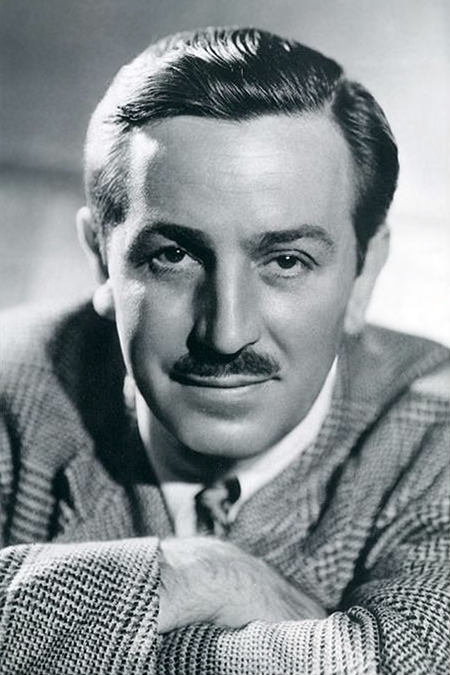
“If you can dream it, you can do it.”
Cultural Impact Across Generations
More Than Entertainment
Disney stories teach values like courage, kindness, and perseverance. These themes cross cultures and generations.
Children grow up with Disney characters. Adults rediscover meaning through nostalgia. Few creators achieve such universal reach.
Frequently Asked Questions
When did Walt Disney die?
Walt Disney died on December 15, 1966, in Burbank, California.
How old was Walt Disney when he passed away?
He was 65 years old.
What caused Walt Disney’s death?
He died from complications related to lung cancer.
Was Walt Disney cryogenically frozen?
No. This is a myth. He was cremated.
What was Walt Disney’s biggest achievement?
Creating a multimedia entertainment empire rooted in imagination and storytelling.
When was Disneyland opened?
Disneyland opened on July 17, 1955.
What was Walt Disney’s first major success?
Mickey Mouse, introduced in 1928.
Does The Walt Disney Company still follow his vision?
Yes. His creative philosophy remains central to the brand.
A Legacy That Will Never Fade
Walt Disney’s death on December 15, 1966, marked the end of a life but not the end of a dream. His work continues inspiring artists, entrepreneurs, and dreamers worldwide.
His story reminds us that imagination, persistence, and belief can change the world.
🟦 Disclaimer and Source Hygiene
This article is intended for informational and educational purposes only. Historical facts are based on widely accepted biographies, archival records, and reputable public sources. Readers are encouraged to consult authoritative references for academic or professional use.
🔔 For more tutorials like this, consider subscribing to our blog.
📩 Do you have questions or suggestions? Leave a comment or contact us!
🏷️ Tags: Walt Disney, Disney history, animation pioneer, Disney legacy, Mickey Mouse, Disneyland, entertainment history, famous animators, December 15 history, Disney empire
📢 Hashtags: #WaltDisney, #DisneyHistory, #AnimationLegend, #MickeyMouse, #Disneyland, #CreativeLegacy, #OnThisDay, #EntertainmentHistory, #DreamBig, #DisneyMagic
📚 Sources and References
- Public historical biographies
- The Walt Disney Company archives
- Official documentaries and interviews
🕊️ Secondary Sources and Testimonials
Read also: Taylor Swift Teases ‘Patient Zero’ Ahead of MTV VMAs
- Historical journals
- Testimonies from Disney collaborators
- Cultural and media analyses
