


⏲️ Estimated reading time: 7 min
Table of Contents
The Serious Impact of a Blow During Pregnancy: Risks for Both Mother and Baby
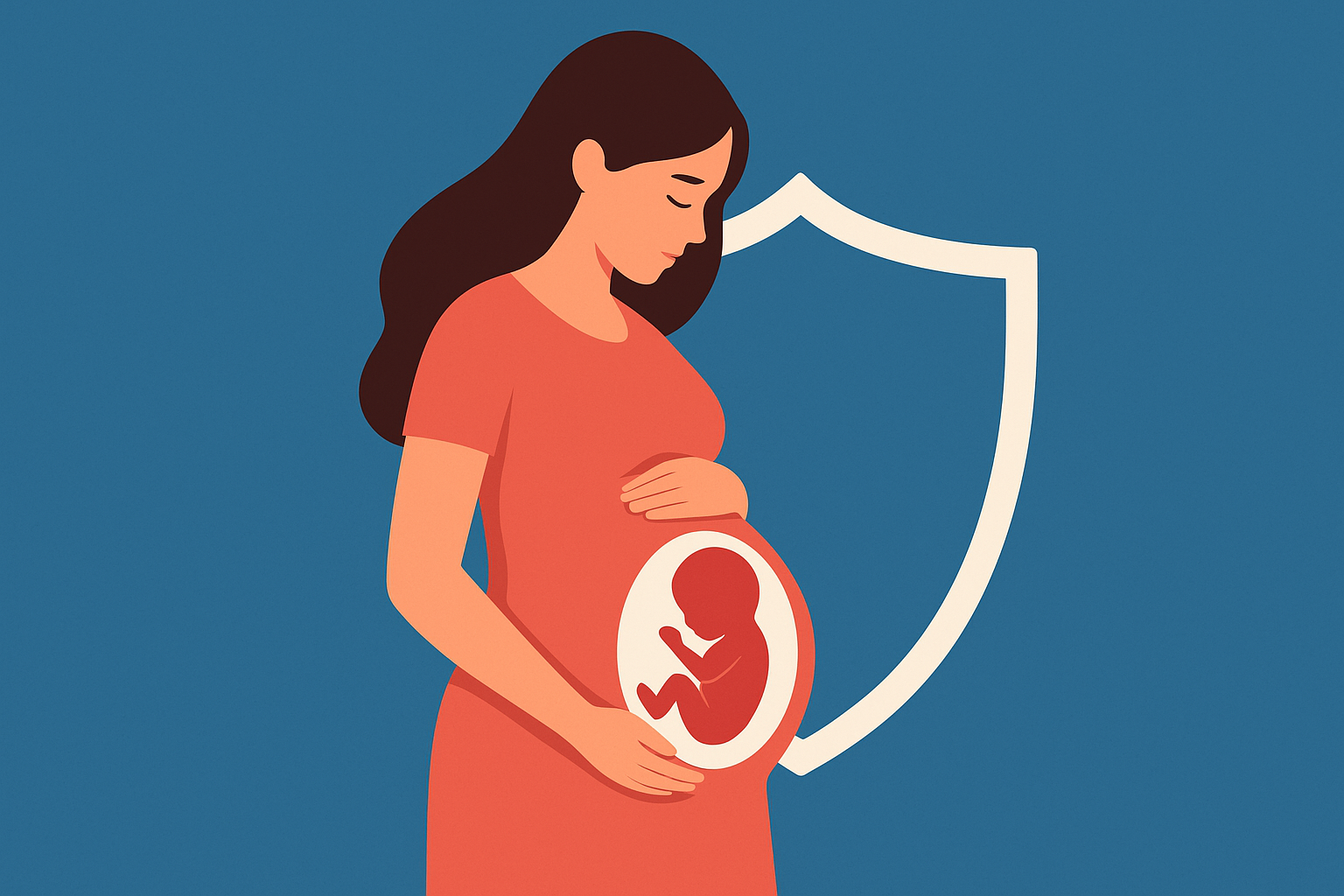
A blow to the abdomen during pregnancy, no matter how mild it may seem, can pose significant risks for both mother and baby. Internal injuries may not be immediately visible, making urgent medical evaluation essential for safety and prevention for pregnant woman.
See also: Hirohito – Japan’s Emperor
Pregnancy
Pregnancy is one of the most delicate stages in a woman’s life. The body undergoes immense changes, and the health of both mother and baby depends on balance, care, and protection from harmful external factors. Among these risks, trauma to the abdomen whether caused by an accident, fall, bump, or intentional act represents one of the most dangerous scenarios.
What makes the situation particularly alarming is that the seriousness of an abdominal blow is not always visible from the outside. Even a seemingly minor hit, which may not cause immediate pain or visible bruising, could trigger complications inside the uterus. That is why medical experts emphasize: every blow to the belly during pregnancy must be treated as a potential emergency.
In this article, we will analyze in detail the risks for both mother and fetus, what symptoms require urgent attention, and what steps should be taken immediately.
Why Abdominal Trauma Is So Dangerous in Pregnancy
Unlike other parts of the body, the abdomen houses a fragile balance: the growing uterus, the placenta, and the developing fetus. While amniotic fluid offers some degree of protection against external shocks, this cushioning is limited. Certain forces can transmit pressure or vibrations to the uterus and placenta, resulting in injuries that may not become evident right away.
Another factor is the increased fragility of blood vessels and tissues during pregnancy. The placenta, which is the baby’s lifeline for oxygen and nutrients, is particularly vulnerable to trauma. When disrupted, it can cause catastrophic consequences for both mother and child.
Main Risks for Mother and Fetus
1. Placental Abruption (Abruptio Placentae)
This is considered one of the most severe complications following trauma in pregnancy. A blow can cause the placenta to separate partially or completely from the uterine wall.
When this happens, the baby’s supply of oxygen and nutrients is immediately affected, while the mother faces the risk of internal hemorrhage.
Possible signs include:
- Vaginal bleeding (though not always present).
- Sudden, severe abdominal pain.
- Frequent uterine contractions.
- Fetal distress, visible in reduced movements or abnormal heart rate.
Placental abruption requires emergency medical care. In severe cases, doctors may need to deliver the baby prematurely to save both lives.
2. Internal Hemorrhage
A strong blow may rupture blood vessels in the uterus or placenta, leading to bleeding inside the abdominal cavity.
For the mother, massive blood loss can cause shock and put her life at risk. For the baby, reduced blood flow means less oxygen, increasing the risk of stillbirth.
Unfortunately, internal bleeding is not always immediately visible, making it even more dangerous.
3. Uterine Rupture
Although rare, a severe trauma can cause the uterine wall to tear. This complication is life-threatening for both mother and child.
Symptoms include:
- Sudden sharp abdominal pain.
- Vaginal bleeding.
- Signs of shock (pale skin, rapid heartbeat, fainting).
A uterine rupture demands immediate surgical intervention.
4. Preterm Labor
In some cases, trauma triggers contractions, leading to premature birth. Babies born prematurely face numerous risks, including breathing difficulties, underdeveloped organs, and higher vulnerability to infections.
5. Fetal Distress
Even in the absence of abruption or bleeding, a blow can disrupt the blood and oxygen supply to the fetus. This may manifest as:
- Decreased or absent fetal movements.
- Abnormal fetal heart rate.
Continuous monitoring is required to confirm the baby’s well-being.
Immediate Steps After Any Blow
The most important rule is: do not wait for symptoms to appear.
1. Seek Emergency Care
Go to the hospital immediately or call emergency services (112 in Europe, 911 in the USA). Medical evaluation is essential even if you feel fine.
2. Monitor Fetal Movements
Pay attention to your baby’s movements. If you notice a decrease or no movement at all, seek help urgently.
3. Watch for Warning Signs
- Vaginal bleeding.
- Abdominal or back pain.
- Contractions.
- Fluid leakage.
- Dizziness or fainting.
Doctors may recommend ultrasound, blood tests, and fetal monitoring to ensure there are no hidden complications.
Common Scenarios That May Lead to Abdominal Trauma
- Falls: Pregnant mum may experience balance issues due to changes in the body’s center of gravity, increasing the risk of slipping.
- Car accidents: Even minor collisions, especially without proper seatbelt use, can transmit dangerous forces to the uterus.
- Physical violence: Sadly, domestic abuse is a reality for some women. Violence during pregnancy carries severe consequences for both mother and baby.
- Accidental bumps: Even everyday incidents, like bumping into furniture, can pose risks, depending on intensity and location.
Preventive Measures During Pregnancy
While not all accidents can be avoided, certain measures significantly reduce risks:
- Always wear a seatbelt correctly – The lap belt should sit under the belly, across the hips, not over the abdomen.
- Use non-slip shoes to prevent falls.
- Stay away from violent or unsafe environments.
- Maintain awareness in crowded places where accidental bumps are more likely.
Psychological Impact of Trauma During Pregnancy
Beyond physical consequences, trauma whether accidental or intentional can leave emotional scars. Fear, anxiety, and stress may negatively influence pregnancy outcomes.
Support from family, counseling, and safe environments are essential for the well-being of both mother and baby.
Medical Perspective: Why Quick Action Saves Lives
Obstetricians emphasize that time is critical. Many complications, such as placental abruption, worsen rapidly. Early diagnosis through ultrasound and monitoring can prevent fatal outcomes.
Therefore, never underestimate a blow to the abdomen during pregnancy. Even if it looks minor, medical evaluation can make the difference between life and death.
Real-Life Case Examples
Doctors often report situations where women ignored what seemed to be a “light bump” and later presented with severe complications. Conversely, early hospital visits after accidents have saved countless babies through timely interventions.
These cases highlight a simple truth: better safe than sorry.
Practical Advice for Families and Partners
- Offer immediate support if your partner experiences a blow during pregnancy.
- Avoid minimizing her concerns. Encourage medical evaluation right away.
- Ensure transportation to the nearest hospital without delay.
- Stay calm to avoid increasing maternal stress.
Final Thoughts
Pregnancy is a fragile journey, and every precaution counts. A blow to the abdomen is not “just a bump” but a potential threat to two lives. By acting fast and responsibly, complications can be avoided, and safety can be ensured for both mother and baby.
Conclusion
The impact of any abdominal blow during pregnancy should never be ignored. Even when external injuries are absent, hidden complications such as placental abruption, hemorrhage, or fetal distress can develop. Immediate medical evaluation is the golden rule that saves lives. Awareness, prevention, and support from loved ones can make the difference between danger and safety.
🔔 For more tutorials like this, consider subscribing to our blog.
📩 Do you have questions or suggestions? Leave a comment or contact us!
🏷️ Tags: pregnancy health, abdominal trauma, risks in pregnancy, placental abruption, fetal distress, maternal safety, pregnancy emergency, women’s health, pregnancy complications, prenatal care, safe pregnancy
📢 Hashtags: #PregnancyHealth, #MaternalCare, #BabySafety, #PrenatalCare, #WomensHealth, #PregnancyRisks, #PlacentalAbruption, #FetalHealth, #MotherAndBaby, #PregnancyTips
