


⏲️ Estimated reading time: 5 min
Table of Contents
Kenshin Himura is one of the most iconic samurai characters ever created. From anime to live-action films, his journey of redemption, honor, and inner conflict has captivated audiences worldwide. Discover the story, movies, and legacy behind this legendary wandering swordsman.
🗡️ The Rise of a Samurai Icon
🌏 The Origins of Kenshin Himura
Kenshin Himura is not just another fictional warrior. He represents a deep philosophical conflict between violence and peace. Originally introduced in the manga and anime Rurouni Kenshin, Kenshin quickly became a global icon.
Set during Japan’s Meiji era, a time of massive political and social change, Kenshin’s story reflects the transition from a violent past to a hopeful future.
⚔️ From Assassin to Protector
Before becoming the gentle wanderer fans love, Kenshin was feared as Hitokiri Battōsai, a legendary assassin who helped shape a new Japan through bloodshed.
However, everything changed.
After witnessing the consequences of his actions, Kenshin made a life-altering vow:
➡️ He would never kill again.
This decision defines his entire character and sets him apart from typical action heroes.
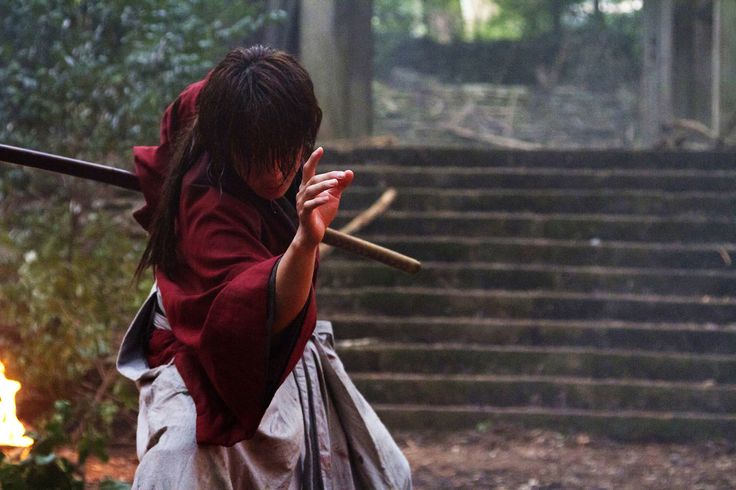
🗡️ The Meaning Behind the Reverse-Blade Sword
🔄 What is a Sakabatō?
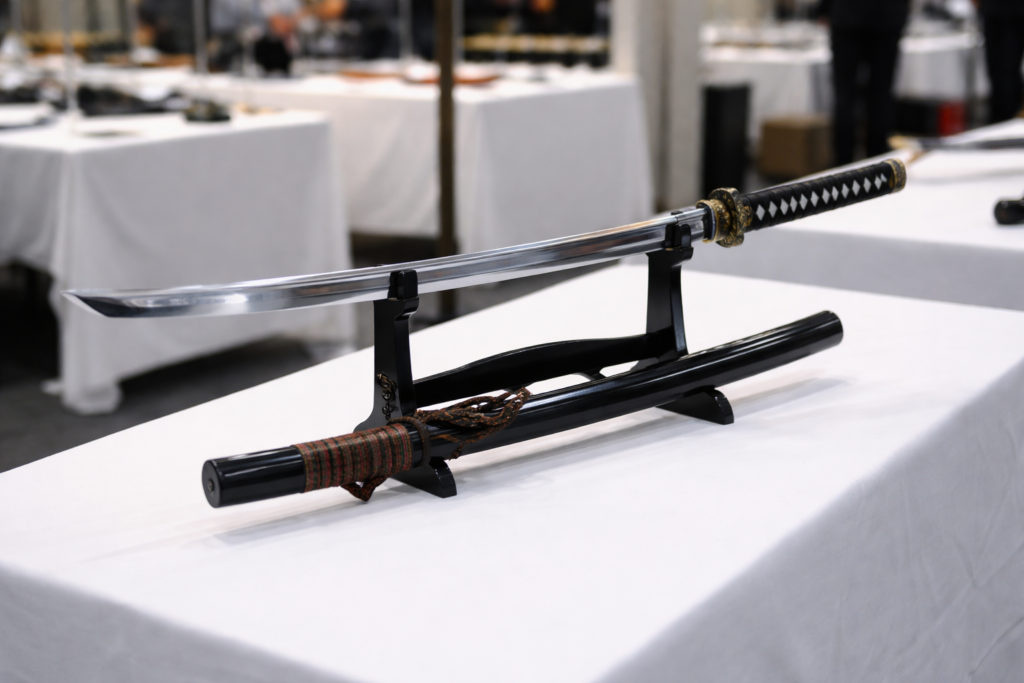
Instead of a traditional katana, Kenshin wields a unique weapon known as a sakabatō, or reverse-blade sword.
⚖️ Symbolism and Philosophy
The sharp edge of the sword is placed on the inside curve, making it difficult to kill. This reflects Kenshin’s inner struggle:
- He must fight to protect others
- But he refuses to take a life
This duality is what makes Kenshin one of the most emotionally complex characters in samurai cinema.
🎥 The Live-Action Masterpiece
🎭 Takeru Satoh as Kenshin
The live-action adaptation brought Kenshin to life with incredible realism. Actor Takeru Satoh delivered a performance that perfectly balanced calm kindness and deadly precision.
His dedication to sword choreography and physical acting elevated the films to another level.
🎬 Rurouni Kenshin Movies Explained
1. 🎞️ Rurouni Kenshin
The first film introduces Kenshin as a wandering samurai trying to escape his violent past. He meets allies and faces enemies who refuse to let him change.
2. 🎞️ Rurouni Kenshin: Kyoto Inferno
This sequel raises the stakes. Kenshin faces Makoto Shishio, a ruthless villain determined to overthrow Japan.
3. 🎞️ Rurouni Kenshin: The Legend Ends
The epic conclusion of the Kyoto arc delivers one of the most intense sword battles ever filmed.
4. 🎞️ Rurouni Kenshin: The Final
A darker story unfolds as Kenshin confronts his past sins. The emotional weight is heavier than ever.
5. 🎞️ Rurouni Kenshin: The Beginning
This prequel explores Kenshin’s transformation into Battōsai and reveals a tragic love story that shaped his future.
⚔️ Why These Movies Stand Out
🔥 Realistic Combat
Unlike many action films, the fights feel raw and fast. There is no exaggerated fantasy just skill, speed, and precision.
🎭 Emotional Depth
Kenshin is not fighting for glory. He fights to protect, to atone, and to find peace.
See also: The Young Hero Who Sacrificed Everything for Love: The Story
🇯🇵 Historical Atmosphere
The films beautifully capture Meiji-era Japan, blending tradition with modernization.
⭐ One of the Best Adaptations Ever
Many fans consider this series among the greatest anime-to-live-action adaptations ever made.
🧠 The Legendary Fighting Style
⚡ Hiten Mitsurugi-ryū
Kenshin’s technique, Hiten Mitsurugi-ryū, is a fictional sword style designed for speed and efficiency.
It allows him to:
- Defeat multiple enemies quickly
- Strike with incredible precision
- Move faster than the eye can follow
This style makes Kenshin nearly unstoppable yet he uses it with restraint.
❤️ Themes That Make Kenshin Timeless
🕊️ Redemption
Kenshin’s story is about fixing the past, not running from it.
⚖️ Moral Conflict
He constantly struggles between who he was and who he wants to be.
💔 Love and Loss
His relationships add emotional depth and realism to his journey.
👍 Who Should Watch These Movies?
🎯 Perfect for You If You Love:
- Samurai stories
- Fast-paced action scenes
- Deep emotional storytelling
- Japanese history and culture
➡️ If this sounds like you, the Kenshin series is a must-watch.
❓ Frequently Asked Questions
What makes Kenshin different from other samurai characters?
Kenshin refuses to kill, even in battle. This moral code makes him unique and more human.
Is Kenshin Himura based on a real person?
No, he is fictional, but inspired by historical samurai from Japan’s transition era.
What is the correct order to watch the movies?
Release order is best, but you can also watch “The Beginning” first for chronological order.
Is the fighting style real?
Hiten Mitsurugi-ryū is fictional but inspired by real samurai techniques.
Who is Kenshin’s strongest enemy?
Makoto Shishio is often considered his most dangerous opponent.
Are the movies better than the anime?
Both are excellent. The movies offer realism, while the anime provides deeper story arcs.
Is it suitable for beginners?
Yes, even if you never watched anime, the films are easy to follow.
Where can I watch the movies?
Availability varies by region, but platforms like Netflix often stream them.
🔚 A Warrior Beyond Violence
Kenshin Himura is more than a swordsman. He is a symbol of change, redemption, and inner peace. His journey reminds us that even the darkest past can lead to a brighter future if we choose a different path.
⚠️ Disclaimer and Source Hygiene
This article is for informational and entertainment purposes only. Details are based on publicly available sources, film content, and general research. For official information, always refer to verified publications and original media releases.
🔔 For more tutorials like this, consider subscribing to our blog.
📩 Do you have questions or suggestions? Leave a comment or contact us!
🏷️ Tags: kenshin himura, rurouni kenshin movies, samurai films, anime adaptations, takeru satoh, japanese cinema, meiji era, sword fighting movies, action drama, live action anime
📢 Hashtags: #kenshinhimura #rurounikenshin #samurai #animeadaptation #japanesecinema #takerusatoh #actionmovies #meijiera #swordfight #movielovers
📚 Sources and References
- Official Rurouni Kenshin film series
- Interviews with Takeru Satoh
- Historical context of Meiji-era Japan
🕊️ Secondary Sources and Testimonials
- Fan reviews and global audience feedback
- Film critics highlighting choreography and storytelling quality
