


⏲️ Estimated reading time: 7 min
Table of Contents
Spain has officially denied the United States permission to use its jointly operated military bases on Spanish territory to launch attacks against Iran, marking a sharp diplomatic rift amid escalating tensions in the Middle East and growing international debate over military intervention and international law.
Read also: International Coffee Day History, Rituals, Ways to Celebrate
Spain Draws a Red Line in the Sand
In a significant foreign policy decision, the Spanish government has refused to allow the United States to use military bases on Spanish soil specifically Naval Station Rota and Morón Air Base for attacks against Iran. The move underscores Madrid’s stance on international law and its reluctance to be drawn into an escalating military conflict. (The Guardian)
Under the agreements governing these facilities, both Spain and the United States operate the bases, which host Spanish and U.S. personnel. However, Spain retains ultimate control and sovereignty over how they are used. (Reuters)
Why Spain Said No
Upholding International Law
Spain’s government has strongly condemned recent U.S. and Israeli strikes on Iranian targets. Prime Minister Pedro Sánchez described the military action as “unjustified and dangerous,” warning it contributes to global instability and violates principles of international law. (The Guardian)
Spanish Foreign Minister José Manuel Albares emphasized that any use of Spanish territory must be consistent with existing agreements and the United Nations Charter, and explicitly rejected authorizing Spain’s military installations for offensive operations not agreed upon in advance. (Al Jazeera)
What the Decision Means in Practice
U.S. Aircraft Leave Spanish Bases
Following Spain’s declaration, dozens of U.S. military aircraft, including tanker and support planes based at Rota and Morón, have departed Spanish soil. Reports indicate that at least 15 aircraft left after Madrid’s refusal to permit their use in operations tied to the Iran conflict. (AeroTime)
These movements highlight the legal and operational consequences of Spain’s decision, showing that even jointly operated bases fall under the control of the host nation when it comes to offensive sorties.
The Broader Middle East Conflict
This diplomatic stand comes amid a dramatic escalation in hostilities between the United States, Israel, and Iran. After a series of U.S. and Israeli strikes targeting Iranian military infrastructure, Tehran and its allies have responded with regional attacks. Global tensions have surged, and the situation remains fluid and dangerous. (The Guardian)
Spain is not alone in expressing concerns. Other European nations have voiced mixed responses, urging restraint and diplomatic solutions even as some have permitted defensive cooperation with U.S. forces. (Wikipedia)
Madrid’s Strategic and Diplomatic Calculus
Balancing NATO Alliances and Sovereignty
Spain’s decision reflects a delicate balancing act. As a NATO member and long-standing U.S. ally, Spain cooperates closely with Washington on defense and security. Facilities such as Naval Station Rota are vital strategic hubs for trans-Atlantic operations. (Wikipedia)
Yet Madrid has chosen to assert its sovereign decision-making in the face of what it views as unilateral action by the U.S. and Israel an action that risks broadening conflict without clear United Nations authorization.
Calling for Diplomacy
Spanish officials have repeatedly called for political and diplomatic solutions to the crisis with Iran, emphasizing de-escalation and peaceful negotiation over military action. Such statements align with broader European diplomatic preferences for conflict resolution. (nieuwsblad.be)
Possible Ramifications for International Relations
Strain With the United States
The refusal has introduced fresh tension into Spain-U.S. relations. Reports indicate that U.S. officials have not publicly commented on the denial, but reactions in Washington could affect future cooperation. Some sources even suggest potential economic or diplomatic pushback from the U.S. administration. (inkl)
Impact on NATO Unity
Spain’s stance may also test NATO cohesion, as member states differ on how to respond to the Middle East conflict. While some allies have supported restrained or defensive measures, Spain’s firm red line showcases how alliance politics can diverge in times of crisis. (Wikipedia)
What This Means for Spain
Upholding National Sovereignty
At its core, Spain’s decision reinforces its control over military assets on its territory. Although the bases are jointly operated and strategically important, Madrid remains the final authority on how they are used, particularly in offensive operations not sanctioned by the U.N. or agreed agreements. (Al Jazeera)
A Diplomatic Signal
Spain’s public refusal sends a message about its foreign policy priorities: respect for international law, wariness of unilateral military action, and a preference for diplomacy over force.
- Spain denied U.S. permission to use joint military bases for attacks on Iran, citing legal and diplomatic concerns. (The Guardian)
- Madrid condemns recent strikes by U.S. and Israeli forces and emphasizes adherence to international law. (Al Jazeera)
- U.S. aircraft have left Spanish bases following the refusal. (AeroTime)
- The decision reflects Spain’s effort to maintain sovereignty and push for diplomatic solutions. (nieuwsblad.be)
- Potential diplomatic fallout with the United States and NATO allies could follow. (inkl)
Frequently Asked Questions
Why did Spain refuse U.S. use of its bases against Iran?
Spain argued that using its bases in offensive operations without a U.N. mandate or clear legal basis would violate international law and exceed the scope of existing agreements with the U.S. (Al Jazeera)
Which Spanish bases were involved in this decision?
The decision affects Naval Station Rota and Morón Air Base, both of which are jointly used by Spanish and U.S. military forces. (The Guardian)
Has the U.S. reacted publicly to Spain’s refusal?
As of now, U.S. officials have not issued an official public statement regarding the denial, but there are reports of potential diplomatic consequences. (inkl)
Does Spain oppose all actions against Iran?
Spain has condemned recent U.S. and Israeli strikes, but its position focuses more on legal process and diplomacy rather than an outright rejection of all defense cooperation. (nieuwsblad.be)
Could this decision strain NATO relations?
Yes. Divergent approaches among NATO allies to the Iran conflict could introduce challenges for alliance unity. (Wikipedia)
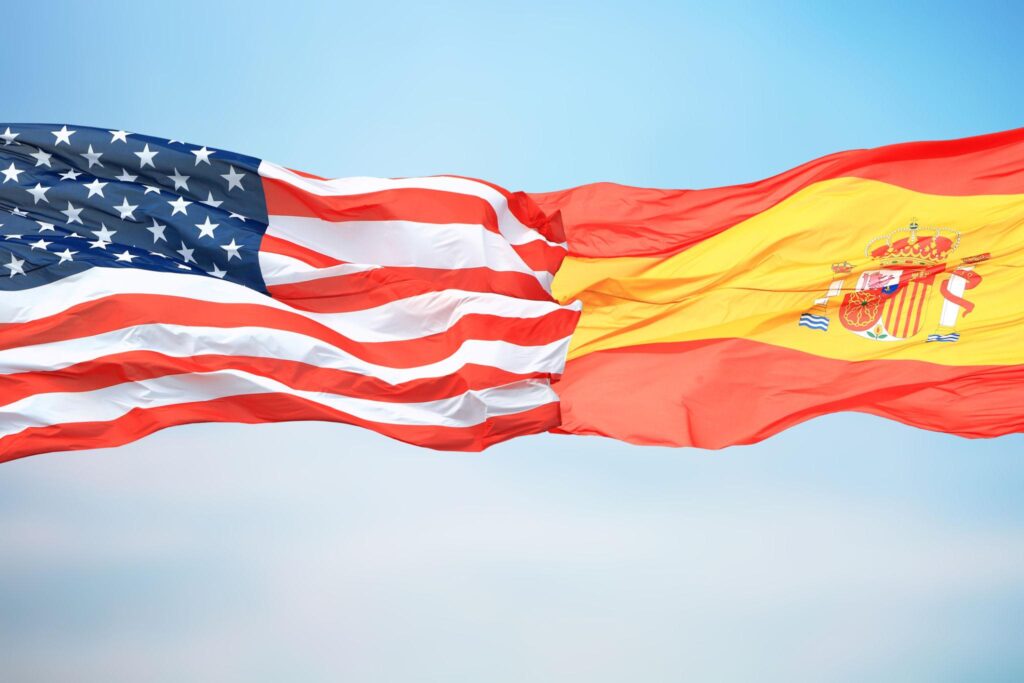
Spain’s refusal to permit U.S. use of its military bases for operations against Iran marks a notable assertion of national sovereignty and a call for strict adherence to international law. At a time of rising global tensions, Madrid’s stance highlights the challenges nations face when balancing alliance commitments with diplomatic principles. (The Guardian)
⚠️ Disclaimer and Source Hygiene
This post is based on information from reputable news sources such as The Guardian, Al Jazeera, Reuters, and related reporting on international affairs as of March 2026. For evolving geopolitical developments, consult official government statements and international organizations.
🔔 For more tutorials like this, consider subscribing to our blog.
📩 Do you have questions or suggestions? Leave a comment or contact us!
🏷️ Tags: Spain, United States, Iran, military bases, Rota, Morón, foreign policy, international law, NATO, Middle East conflict
📢 Hashtags: #Spain #US #Iran #MilitaryBases #Rota #Morón #ForeignPolicy #InternationalLaw #NATO
🟢 Related Keyphrases:
- Spain US military bases Iran
- Rota and Morón base decision
- Spain foreign policy Iran conflict
- NATO tensions Spain US
- Spain sovereignty military bases
📚 Complete List of Sources
Below is the full list of external sources referenced in the article:
- 🔗 The Guardian
https://www.theguardian.com/world/2026/mar/02/spain-denies-united-states-permission-military-bases-iran-pedro-sanchez - 🔗 Reuters
https://www.reuters.com/world/middle-east/us-aircraft-leave-spain-after-government-says-bases-cannot-be-used-iran-attacks-2026-03-02/ - 🔗 Al Jazeera
https://www.aljazeera.com/news/2026/3/2/spain-refuses-to-let-us-use-bases-for-iran-attacks - 🔗 AeroTime
https://www.aerotime.aero/articles/us-tankers-leave-spain-madrid-bars-bases-iran-strike-support - 🔗 Wikipedia – Naval Station Rota
https://en.wikipedia.org/wiki/Naval_Station_Rota - 🔗 Wikipedia – Reactions to the 2026 Iran conflict
https://en.wikipedia.org/wiki/Reactions_to_the_2026_Iran_conflict - 🔗 Nieuwsblad
https://www.nieuwsblad.be/binnenland/in-strijd-met-internationaal-recht-maar-ook-niet-het-moment-om-bondgenoten-de-les-te-spellen-europa-blaast-warm-en-koud-over-aanvallen-op-iran/138390362.html - 🔗 INKL (aggregated report)
https://www.inkl.com/glance/news/trump-says-he-s-cutting-all-trade-with-spain-for-refusing-his-iran-war-request
