


⏲️ Estimated reading time: 5 min
Table of Contents
Authorities uncovered more than 1,000 unidentified biological samples and lab equipment in a Las Vegas garage linked to a California bio lab case. While officials say there is no public danger, the discovery highlights serious gaps in biosecurity oversight.
A Shocking Discovery in Northeast Las Vegas
On January 31, 2026, authorities carried out a search at a northeast Las Vegas residence connected to Jia Bei Zhu, a Chinese national already in custody in California. The operation followed earlier revelations that Zhu had allegedly operated an unauthorized biological laboratory in Reedley.
What investigators found inside a locked garage immediately raised red flags and reignited national concerns about biological safety and regulatory oversight in the United States.
What Investigators Found Inside the Garage
According to law enforcement officials, the garage contained equipment and materials consistent with advanced laboratory activity, including:
- Refrigerators holding over 1,000 unidentified liquid samples
- Multiple centrifuges used for biological separation
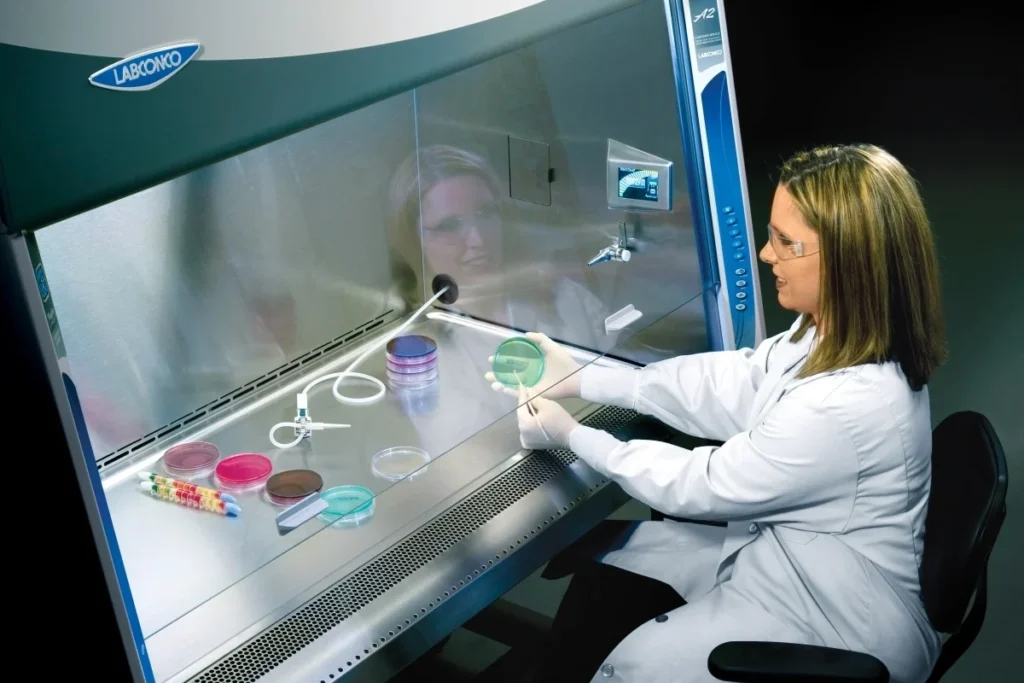
- A professional biosafety hood
- Several red drums filled with unknown fluids
All materials were seized and transferred for analysis. Testing is currently being conducted by the Federal Bureau of Investigation to determine the nature and potential risk of the samples.
Authorities Say There Is No Public Threat
Despite the alarming nature of the discovery, Kevin McMahill, Sheriff of the Las Vegas Metropolitan Police Department, reassured residents that there was no danger to the public.
Specialized hazmat teams quickly secured and decontaminated the area. Officials stated that the process was completed efficiently and that no evacuation or long-term safety measures were required.
Charges Filed Against Property Manager
The investigation also led to legal consequences for the property manager. Ori Solomon now faces charges related to improper hazardous waste disposal.
Authorities clarified that Solomon is not accused of running the laboratory itself. However, prosecutors allege that improper handling or disposal of potentially dangerous materials violated safety regulations.
Connection to the Reedley, California Bio Lab
This Las Vegas discovery closely mirrors findings from the earlier Reedley case. In California, investigators uncovered a warehouse filled with lab mice, vials, and biological materials that appeared to be improperly labeled.
Some containers reportedly carried labels referencing high-risk pathogens, including HIV and Ebola. While labels alone do not confirm the presence of such agents, the situation raised alarms among public health experts and lawmakers.
Biosecurity Gaps Under the Spotlight
The case reinforces warnings from a 2023 congressional report that highlighted vulnerabilities in U.S. biosecurity. The report noted that private, small-scale, or covert laboratories can sometimes obtain equipment and materials without adequate scrutiny.
The ability to move operations across state lines further complicates enforcement and oversight, creating blind spots in existing regulatory systems.
What Happens Next in the Investigation
Authorities say several steps are still underway:
- Laboratory testing to identify the seized liquids and substances
- Legal review to determine whether additional charges are warranted
- Policy discussions on strengthening biosecurity laws and enforcement
Until federal testing is complete, officials are limiting public statements but emphasize transparency once results are confirmed.
Why This Case Matters
While officials insist there is no immediate danger, the discovery highlights a troubling reality: unauthorized biological activity can occur outside traditional institutions, often without detection.
The Las Vegas case serves as a reminder that biosecurity is not only a scientific issue but also a matter of public safety, regulation, and accountability.
Frequently Asked Questions
Was the Las Vegas bio lab operational?
Authorities have not confirmed active experimentation. Testing is still underway to determine the purpose of the materials.
Is there any risk to residents near the property?
Officials stated clearly that there was no public health threat and that decontamination was completed.
Who is Jia Bei Zhu?
He is a Chinese national in custody for allegedly operating an unauthorized bio lab in Reedley, California.
What charges were filed in Las Vegas?
The property manager faces charges related to improper hazardous waste disposal.
Were dangerous viruses found?
No confirmed pathogens have been publicly identified so far.
Why is the FBI involved?
Due to the potential biosecurity implications and interstate connections.
Could this lead to new laws?
Lawmakers are already citing the case as evidence for tighter biosecurity oversight.
When will test results be released?
Officials say results will be shared once federal testing is complete.
A Wake-Up Call for Biosecurity Oversight
See also: Top Famous Restaurants in Amsterdam You Must Visit
This case underscores the importance of vigilance, transparency, and stronger regulatory frameworks. Even when no immediate threat exists, the presence of unregulated biological materials raises questions that demand serious attention.
⚠️ Disclaimer and Source Hygiene
This article is based on publicly available law enforcement statements and investigative reporting. Information may evolve as federal testing and legal proceedings continue. Readers should rely on official updates for the most accurate details.
🔔 For more tutorials like this, consider subscribing to our blog.
📩 Do you have questions or suggestions? Leave a comment or contact us!
🏷️ Tags: Las Vegas news, bio lab investigation, biosecurity, FBI investigation, Reedley lab, public safety, hazardous waste, U.S. oversight, health security, breaking news
📢 Hashtags: #BioSecurity #LasVegasNews #BreakingNews #FBIInvestigation #PublicSafety #HealthSecurity #USNews #ScienceAndSafety
📚 Sources
- – Law enforcement briefings
- – Public safety statements
- – Congressional biosecurity reports
- – Expert commentary on laboratory oversight
- – Prior investigative coverage of the Reedley bio lab case
