


⏲️ Estimated reading time: 5 min
Table of Contents
Some stories go beyond rational explanation and force us to rethink psychology itself. The text behind this analysis describes a disturbing chain of events: a murder, a heart transplant, and the emergence of memories that seemingly do not belong to the person experiencing them. From a psychological perspective, this narrative raises essential questions about memory, trauma, identity, and the mind–body connection.
🧠A story that challenges logic. When Memory Does Not Belong Only to the Brain: A Deep Psychological Analysis
The traumatic moment: the birth of an emotional imprint
The young girl who is chased and killed experiences an episode of extreme stress compressed into a very short time. In psychology, such moments create deep emotional imprints. The killer’s gaze, his exact words, and the awareness of imminent death can be encoded far more intensely than ordinary memories.
Trauma is not just an event. It is an emotional charge that can persist even when life ends.
The heart transplant: biological continuity, identity rupture
The victim’s heart is transplanted into another adolescent. Biologically, this is an act of survival. Psychologically, it introduces a paradox: life continues, yet something of the emotional experience appears to persist.
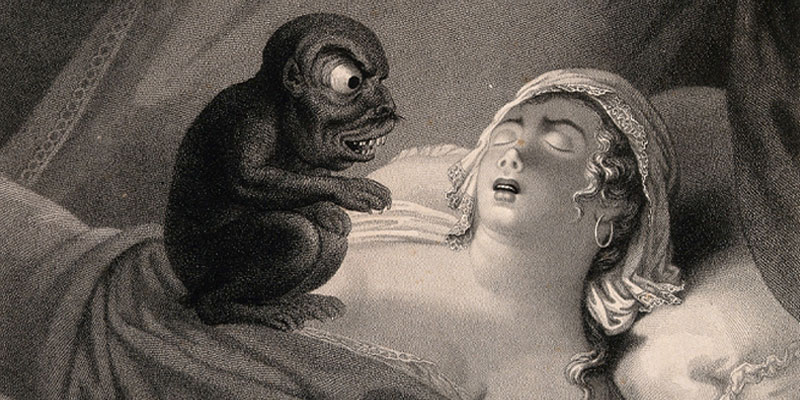
Soon after the transplant, the girl begins to suffer from nightmares. These are not vague or symbolic dreams. They are vivid, repetitive, and emotionally overwhelming. Such features are characteristic not of imagination, but of traumatic memory.
Nightmares that are not dreams
Psychology clearly distinguishes ordinary dreams from traumatic re-experiencing. Normal dreams are fragmented and symbolic. Traumatic memories are:
- precise
- emotionally intense
- persistent
- accompanied by physical reactions
The psychiatrist quickly recognizes this pattern. What the girl is experiencing does not resemble fantasy. It has the structure of a lived experience being replayed.
The body as a memory holder
Modern psychology acknowledges the concept of somatic memory. Memory is not stored only in the brain. The entire body participates in emotional processing. The heart, which has its own neural network, communicates directly with brain areas responsible for fear, attachment, and survival.
From this perspective, the story suggests that the victim’s extreme trauma may have left a powerful emotional trace, later activated in another body.
The forensic sketch: translating the unconscious
When the girl is asked to describe the face she sees in her nightmares, an important psychological process begins. The unconscious organizes itself. Fear is transformed into image. Inner chaos becomes structure.
This mechanism is well known in therapy: externalizing trauma reduces its destructive power.
Read also: The 2026 FIFA World Cup Is Handing Out Record Prize Money
Reality confirmed: validation of the experience
The identification of the killer and his confession mark a crucial psychological moment. The subjective experience is confirmed by objective reality. The nightmares can no longer be dismissed as hallucinations or imagination.
Validation plays a vital role in healing. Without it, trauma remains unresolved.
Identity under threat
For the girl who received the heart, a profound inner conflict emerges:
- Why do I feel what I never lived?
- Who do these memories belong to?
This creates identity confusion, a known psychological response when experiences lack an obvious personal origin. The mind desperately seeks meaning to maintain stability.
Justice as psychological closure
The killer’s conviction is not only a legal outcome. It is also a form of symbolic closure. The trauma is given an ending. The truth is spoken. As a result, the intensity of the nightmares can diminish.
The heart: more than an organ
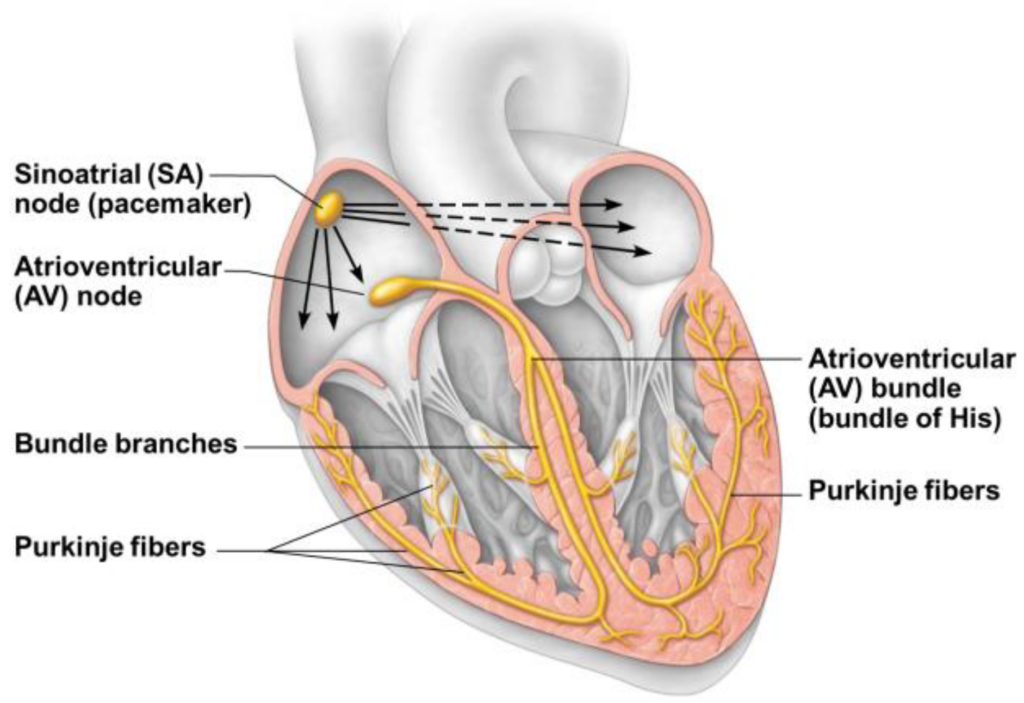
Throughout history, the heart has symbolized emotion, courage, and memory. Psychologically speaking, it does not “think” like the brain, but it actively participates in emotional life. It reacts, transmits information, and shapes psychological states.
Why this story disturbs us
Because it forces us to confront uncomfortable ideas:
- memory may not be entirely controllable
- identity may not be purely cognitive
- body and mind cannot be separated
Such stories disrupt our sense of certainty and highlight the limits of current knowledge.
The essential psychological lesson
Regardless of the final explanation, one truth remains clear: trauma does not simply disappear. It seeks expression. If it is not acknowledged, it returns in other forms.
🔍 A reflection that remains open
Psychology does not always offer definitive answers. Sometimes, its role is to observe, validate, and understand. This story reminds us that human beings are not only rational minds, but also deeply emotional organisms, with memories etched far beyond conscious thought.
⚠️ DISCLAIMER
This article is for informational and psychological purposes only and does not replace professional medical or psychiatric advice. Interpretations are based on concepts from trauma psychology, neuroscience, and somatic memory research.
🔔 For more tutorials like this, consider subscribing to our blog.
📩 Do you have questions or suggestions? Leave a comment or contact us!
🏷️ Tags: psychology, trauma, memory, heart, subconscious, nightmares, identity, emotions, mind and body
📢 Hashtags: #psychology #emotionalmemory #trauma #heart #subconscious #nightmares #identity #emotions #mind #body
