


⏲️ Estimated reading time: 7 min
Table of Contents
Street drifting in Japan was once a real underground phenomenon rooted in mountain-pass culture and late-night driving. Over time, strict laws and police crackdowns changed everything. This in-depth article explores the full history, myths, realities, and modern evolution of drifting in Japan.
Understanding the Fascination With Japanese Street Drifting. The Complete Truth Behind the Legend.
Read also: The Young Hero Who Sacrificed Everything for Love: The Story
Japanese street drifting has become a global symbol of rebellion, precision, and automotive mastery. For many enthusiasts, it represents the purest form of driving skill. Unlike drag racing or highway speeding, drifting focused on balance, rhythm, and control.
The fascination did not appear overnight. It grew slowly, fueled by passion, secrecy, and respect for technique. Long before social media, drivers shared knowledge in person, through cassette tapes, magazines, and later VHS recordings.
The mystique surrounding Japanese drifting comes from its contrast. It was beautiful but dangerous. It was illegal yet admired. It was silent at night yet loud in cultural impact.
The Birth of Tōge Culture in Japan
The word tōge (峠) means mountain pass. Japan’s geography makes these roads common, narrow, and challenging. Sharp corners, elevation changes, and limited visibility define them.
During the late 1980s, young drivers began testing themselves on these roads. At first, it was about speed and confidence. Over time, it evolved into something more refined.
Drivers realized that sliding through corners, instead of fighting grip, allowed better flow. This discovery laid the foundation for drifting.
Unlike professional racing, tōge driving had no trophies. Respect was earned through consistency, courage, and control.
Why Mountain Passes Were Chosen Over Cities
City streets were crowded, unpredictable, and heavily policed. Mountain roads offered isolation.
Key reasons tōge roads became the center of drifting:
- Low traffic late at night
- Continuous corners instead of straight lines
- Minimal street lighting, increasing challenge
- Natural elevation changes
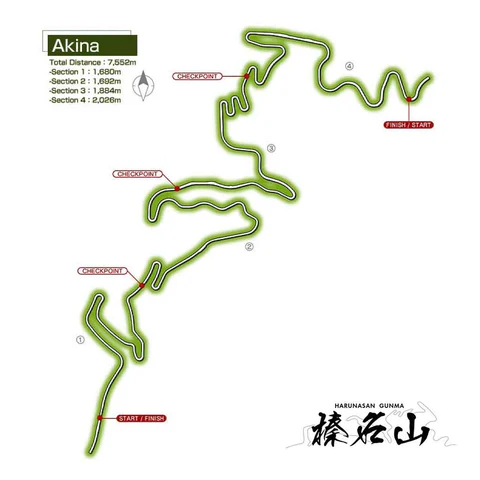
Drivers memorized every turn. Knowledge of the road often mattered more than engine power.
The Philosophy Behind Early Drifting
Early Japanese drifting was not about showmanship. It was about mastery.
Drivers valued:
- Smooth weight transfer
- Perfect timing
- Mechanical sympathy
- Calm under pressure
Mistakes were unforgiving. Guardrails, cliffs, and trees left no room for error.
This danger created discipline. Reckless drivers did not last long.
The Influence of Grassroots Car Modification
Japanese drifting could not exist without modification culture. Factory cars were rarely suitable for aggressive oversteer.
Common modifications included:
- Coilover suspension
- Limited-slip differentials
- Reinforced brakes
- Lightweight wheels
- Engine tuning for throttle response
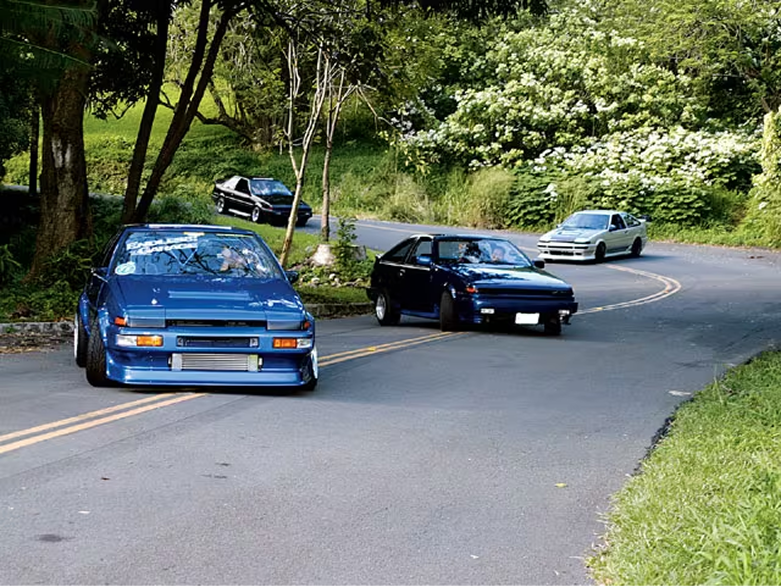
Cars like the Toyota AE86 became legendary because they offered balance, not brute force.
Many drivers built their cars themselves, learning mechanics through necessity.
The Rise of Underground Crews
Drifting was rarely a solo activity. Groups formed around shared roads and philosophies.
These crews operated quietly. Newcomers had to earn trust before being invited.
Rules existed, even if unwritten:
- Respect the road
- Do not endanger locals
- Avoid unnecessary noise
- Never attract attention
Breaking these rules could result in permanent exclusion.
Media Exposure and the Arrival of Initial D
Everything changed with Initial D. The manga and anime transformed a hidden culture into a global phenomenon.
For the first time, international audiences saw:
- Tōge racing dramatized
- Drifting explained visually
- Japanese car culture romanticized
The story drew inspiration from real driving philosophies. However, it amplified drama for storytelling.
Despite exaggeration, Initial D preserved something important: respect for technique over power.
How Initial D Changed Global Car Culture
The influence of Initial D cannot be overstated.
Its impact included:
- Global interest in drifting
- Increased demand for Japanese cars
- Popularization of drifting terminology
- Creation of drifting communities worldwide
Many professional drifters today credit Initial D as their introduction to the sport.
Separating Fiction From Reality
Anime portrayed drifting as almost poetic. Reality was harsher.
In real life:
- Drivers faced severe legal risks
- Cars were often destroyed
- Accidents caused serious injuries
- Police intervention was constant
There were no second chances on a mountain road.
The anime skipped the consequences but captured the emotion.
Legal Status of Street Drifting in Japan
Street drifting has always been illegal in Japan. Even during its peak, drivers knew they were breaking the law.
Over time, enforcement increased significantly.
Authorities introduced:
- Speed cameras
- Night patrol units
- Road barriers
- Severe penalties
By the early 2000s, public-road drifting became unsustainable.
Why Police Crackdowns Became Inevitable
Several factors forced government action:
- Rising accident numbers
- Public complaints from residents
- Increased traffic density
- Media attention
Once drifting entered mainstream awareness, secrecy disappeared. Enforcement followed.
The Gradual Decline of the Underground Scene
As risk increased, participation decreased.
Veteran drivers retired or moved to tracks. Younger drivers faced fewer opportunities to learn safely.
By the mid-2000s, most famous tōge roads were either monitored or closed at night.
The golden era quietly ended.
Does Illegal Street Drifting Still Exist?
Yes, but it is extremely rare.
Modern underground drifting is:
- Highly secretive
- Small-scale
- Short-lived
- Extremely risky
Most enthusiasts avoid public roads entirely.
The Birth of Legal Drifting in Japan
Rather than disappearing, drifting evolved.
Tracks opened their gates. Events were organized. Rules were defined.
This transition preserved skill while improving safety.
The Role of Ebisu Circuit
Ebisu Circuit became the heart of modern drifting.
Located in Fukushima, it offers multiple layouts dedicated to drifting.
Drivers can practice without fear of arrest. Skill development replaces survival instinct.
Ebisu helped transform drifting into a legitimate motorsport.
Drift Schools and Professional Training
Modern Japan offers structured education for drifting.
Drift schools teach:
- Vehicle dynamics
- Throttle modulation
- Steering techniques
- Safety protocols
This professional approach contrasts sharply with the past.
The Difference Between Tōge Drifting and Track Drifting
Tōge drifting focused on control under pressure.
Track drifting focuses on:
- Style
- Angle
- Consistency
- Judging criteria
Both require skill, but the mindset differs.
Why Some Enthusiasts Prefer the Old Ways
Despite safety improvements, some drivers miss the past.
They value:
- Raw challenge
- Isolation
- Personal risk
- Pure connection with the road
However, nostalgia often ignores danger.
Cultural Legacy of Japanese Drifting
Japanese drifting reshaped global motorsport.
Its influence appears in:
- Professional drift leagues
- Car modification trends
- Video games
- Automotive media
Japan remains the spiritual home of drifting.
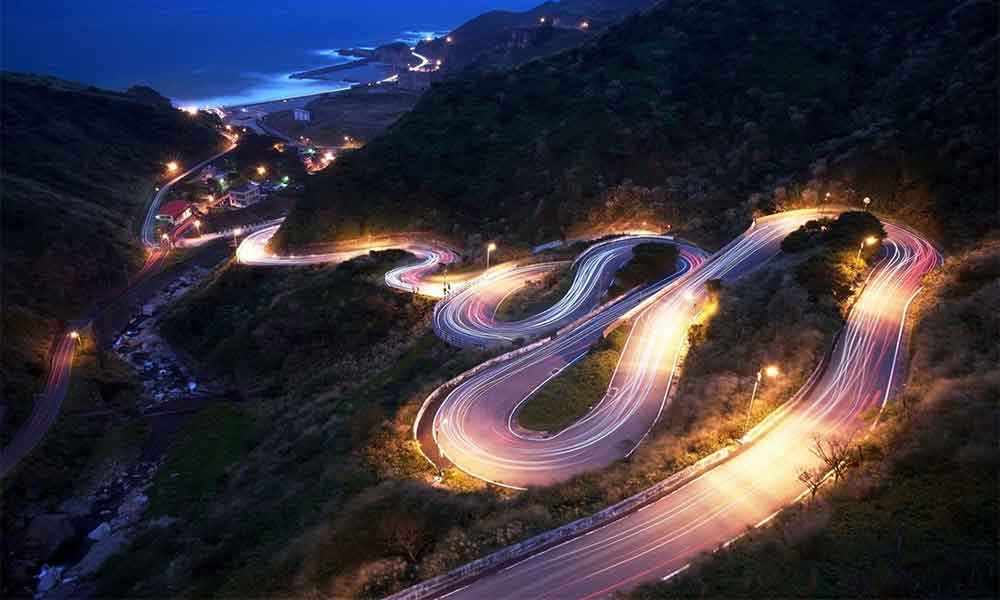
How Drifting Became an International Sport
Countries around the world adopted Japanese techniques.
Competitions emerged, rules formed, and sponsorship followed.
What began as an underground act became a global industry.
Ethics, Safety, and Responsibility
Modern drifting emphasizes responsibility.
Tracks exist for a reason. Lives matter more than legends.
Understanding history should never justify dangerous behavior.
Frequently Asked Questions
Was street drifting ever legal in Japan?
No. It has always been illegal.
Did people really drift on mountain roads?
Yes, especially from the late 1980s to early 2000s.
Is Initial D realistic?
Spiritually yes, practically exaggerated.
Can tourists drift in Japan?
Only at licensed circuits.
Is Ebisu Circuit beginner-friendly?
Yes, with proper booking and instruction.
Are tōge roads monitored today?
Yes, heavily.
Do underground drifters still exist?
Very few.
Is drifting still popular in Japan?
Yes, mostly legally.
Did drifting start in Japan?
Modern drifting techniques originated there.
The Truth That Remains
Street drifting in Japan was real, dangerous, and transformative. It shaped a generation but could not survive modern safety demands.
What remains is a refined, legal form that honors skill without sacrificing lives.
The legend lives on not on public roads, but on tracks, in stories, and in culture.
⚠️ DISCLAIMER
This article is for informational purposes only. It does not promote illegal activity. Information is based on historical research, motorsport documentation, and cultural analysis. Always follow local laws and consult professionals before participating in motorsport activities.
🔔 For more tutorials like this, consider subscribing to our blog.
📩 Do you have questions or suggestions? Leave a comment or contact us!
🏷️ Tags: japanese drifting, touge roads, initial d, car culture japan, street racing history, ebisu circuit, drifting japan, motorsport culture, jdm history, drift evolution
📢 Hashtags: #DriftingJapan, #Touge, #InitialD, #JDM, #CarCulture, #DriftLife, #MotorsportHistory, #EbisuCircuit, #AnimeVsReality, #JapaneseCars
📚 Sources
Automotive history archives, Japanese motorsport publications, cultural studies on JDM.
Interviews with professional drifters, documentaries, historical media analysis.
