


⏲️ Estimated reading time: 12 min
Table of Contents
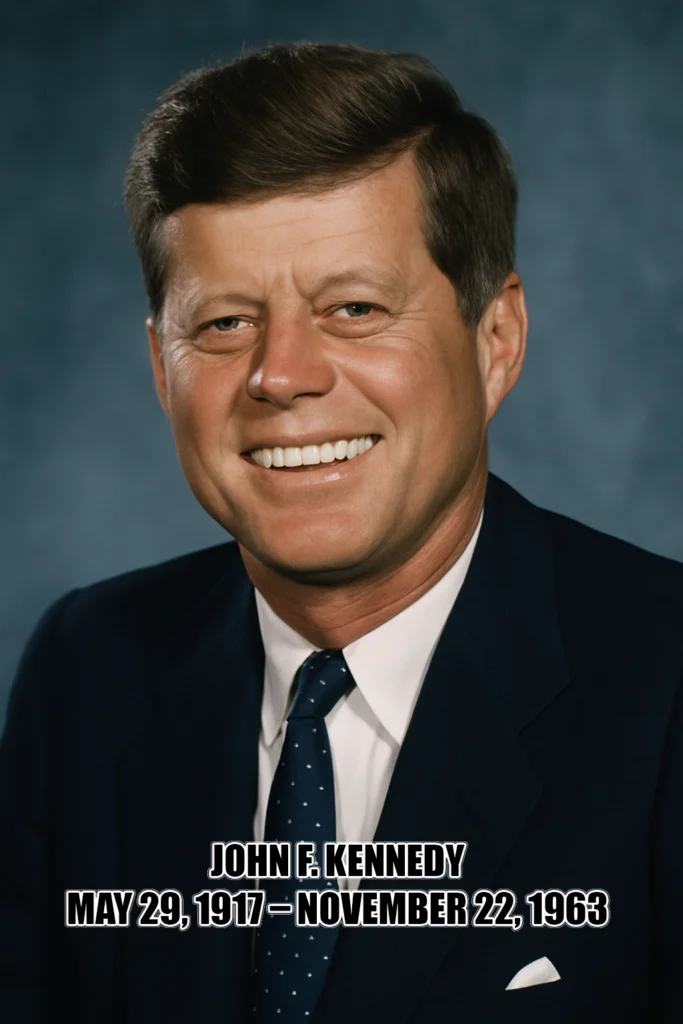
62 Years From Assassination of John F. Kennedy in Dallas: The Day America Changed Forever. On November 22, 1963, U.S. President John F. Kennedy was assassinated during a motorcade in Dallas, Texas. This long-form article explores the historical context, the events of that tragic day, the investigations, conspiracy theories, and the lasting impact of JFK’s death on America and the world.
The Historical Context Behind Kennedy’s Presidency
The early 1960s were a turbulent yet hopeful period in the United States. Americans were living under the shadow of the Cold War, facing threats from the Soviet Union, nuclear anxieties, and political instability across the globe. At the same time, the country was advancing rapidly in science, technology, and civil rights activism. It was within this complex landscape that John Fitzgerald Kennedy became the 35th President of the United States in January 1961.
JFK’s presidency symbolized youthful optimism. Young, charismatic, stylish, and articulate, Kennedy brought a refreshing image to the White House. He projected confidence and vision, speaking often about a “New Frontier” for America’s future. His speeches inspired millions, and his international appeal grew quickly among global leaders and ordinary citizens alike.
Yet behind the glamour and elegance of the Kennedy administration was a harsh geopolitical reality. His presidency was immediately tested by the failed Bay of Pigs invasion in 1961. The crisis caused political embarrassment and raised tensions with Fidel Castro’s Cuba and the USSR. A year later, the world came dangerously close to nuclear war during the 1962 Cuban Missile Crisis. Kennedy and Soviet Premier Nikita Khrushchev eventually reached a fragile agreement to avoid catastrophe, but tensions remained extremely high.
Domestically, Kennedy faced mounting pressure over civil rights. Segregation and racial injustice plagued many southern states, leading to protests, sit-ins, and violent clashes. Kennedy gradually shifted toward supporting civil rights legislation, though much of what he envisioned would only be passed after his death.
In 1963, as he prepared for re-election in 1964, Kennedy began touring several states to consolidate political support. One of the strategic stops was Texas a state critical for electoral success, yet divided politically. Visiting Dallas was considered risky. The city had a reputation for hostility toward liberal politicians. Nevertheless, Kennedy’s team insisted the trip was necessary to show unity within the Democratic Party and strengthen ties with Texas leaders.
No one knew that this political tour would soon escalate into one of the most shocking events in modern history.
November 22, 1963: The Last Day of John F. Kennedy
A Morning in Fort Worth
On the morning of November 22, 1963, Kennedy was in Fort Worth. He delivered speeches to both the Chamber of Commerce and a crowd gathered outside the hotel where he and First Lady Jacqueline Kennedy had spent the night. The mood was energetic and warm. Despite a cloudy morning, the president appeared cheerful and enthusiastic.
After wrapping up the morning events, Kennedy boarded Air Force One for the short flight to Dallas. The itinerary included a motorcade through the city, followed by a luncheon where he was scheduled to deliver another speech. The goal was simple: show Texans a united Democratic Party and rejuvenate Kennedy’s local support.
Arrival at Love Field
Air Force One landed at Dallas Love Field shortly before noon. Thousands of people had gathered at the airport to see the president and the first lady. Jacqueline Kennedy, wearing her iconic pink Chanel-style suit and matching pillbox hat, stole the attention of the crowd. The couple spent several minutes shaking hands and greeting supporters before stepping into the presidential limousine.
The vehicle was a dark blue 1961 Lincoln Continental convertible decapotable, with the top down. Along with Kennedy and Jacqueline, Texas Governor John Connally and his wife, Nellie Connally, rode in the car. Two Secret Service agents sat in the front seat, and additional agents followed closely behind on motorcycles.
The Motorcade Through Dallas
At approximately 11:55 a.m., the motorcade departed from Love Field. Massive crowds lined the streets, waving flags and cheering for the president. For many onlookers, it was the first and last time they saw JFK alive.
The route through Dallas was designed to showcase Kennedy to as many people as possible. The motorcade moved through downtown, passing tall buildings and excited crowds leaning from windows and balconies.
Entering Dealey Plaza
Shortly after 12:30 p.m., the limousine approached Dealey Plaza a triangular open space with roads curving between grassy slopes and several buildings, including the Texas School Book Depository. As the car drove down Elm Street, it slowed to navigate a sharp left turn.
At this moment, Kennedy was waving to the crowd. Suddenly, the sound of gunfire echoed through the plaza.
The Three Shots
Most witnesses reported hearing three shots, though some insisted there were four or more. The first shot may have missed, though historians still debate its exact trajectory. The second bullet struck both Kennedy and Governor Connally, passing through the president’s upper back and exiting through his throat before entering Connally’s back, chest, wrist, and thigh.
The third and final bullet delivered a fatal head wound to Kennedy. The Zapruder film shot by a local dress manufacturer watching from the side captured the horrifying moment.
Inside the car, chaos erupted. Jacqueline Kennedy instinctively climbed onto the back of the limo, a gesture still debated by historians. Secret Service agent Clint Hill sprinted forward, leaping onto the rear of the limousine to shield the Kennedys with his body.
The Rush to Parkland Hospital
The limousine accelerated wildly toward Parkland Memorial Hospital, just a few minutes away. Secret Service agents yelled for space as they sped through traffic. Jacqueline Kennedy held her husband in her arms as blood covered the back seat of the car.
At 1:00 p.m., doctors pronounced President John F. Kennedy dead. They had tried to resuscitate him, but the head wound was catastrophic and unsurvivable.
Governor Connally, though seriously injured, survived.
Johnson Takes the Oath
With the country suddenly leaderless, security officials insisted Vice President Lyndon B. Johnson leave the hospital immediately for his safety. Johnson and his wife, Lady Bird, boarded Air Force One at Love Field. Jacqueline Kennedy, still wearing her bloodstained suit, refused to leave the president’s body behind and insisted on accompanying the coffin.
At 2:39 p.m., aboard Air Force One, Judge Sarah T. Hughes administered the oath of office to Johnson. Jacqueline Kennedy stood beside him a haunting image that would be printed on front pages across the world.
America had a new president, but the nation was broken.
The Man Accused: Lee Harvey Oswald
Who Was Lee Harvey Oswald?
Lee Harvey Oswald was a 24-year-old former U.S. Marine with a troubled and complex past. After leaving the Marines, he defected to the Soviet Union, married a Russian woman, then later returned to the United States. Oswald expressed strong Marxist beliefs and admiration for Castro’s Cuba.
He worked briefly at the Texas School Book Depository the building from which investigators believe he fired the fatal shots.
The Murder of Officer J.D. Tippit
About 45 minutes after the assassination, Dallas police officer J.D. Tippit was shot dead while questioning a suspicious man. The suspect matched Oswald’s appearance, and witnesses later identified him as the shooter.
Oswald’s Arrest at the Texas Theatre
Oswald was arrested inside the Texas Theatre after behaving oddly and drawing attention. Initially charged with Tippit’s murder, he soon became the prime suspect in Kennedy’s assassination.
Oswald denied involvement, famously stating:
“I’m just a patsy.”
Evidence Against Oswald
The investigation produced several key pieces of evidence:
- A Carcano rifle found on the sixth floor of the Book Depository
- Fingerprints and palm prints belonging to Oswald
- “Backyard photos” showing Oswald holding the rifle and political pamphlets
- Witnesses who saw him in the building shortly before the shooting
- Bullet fragments matching the rifle
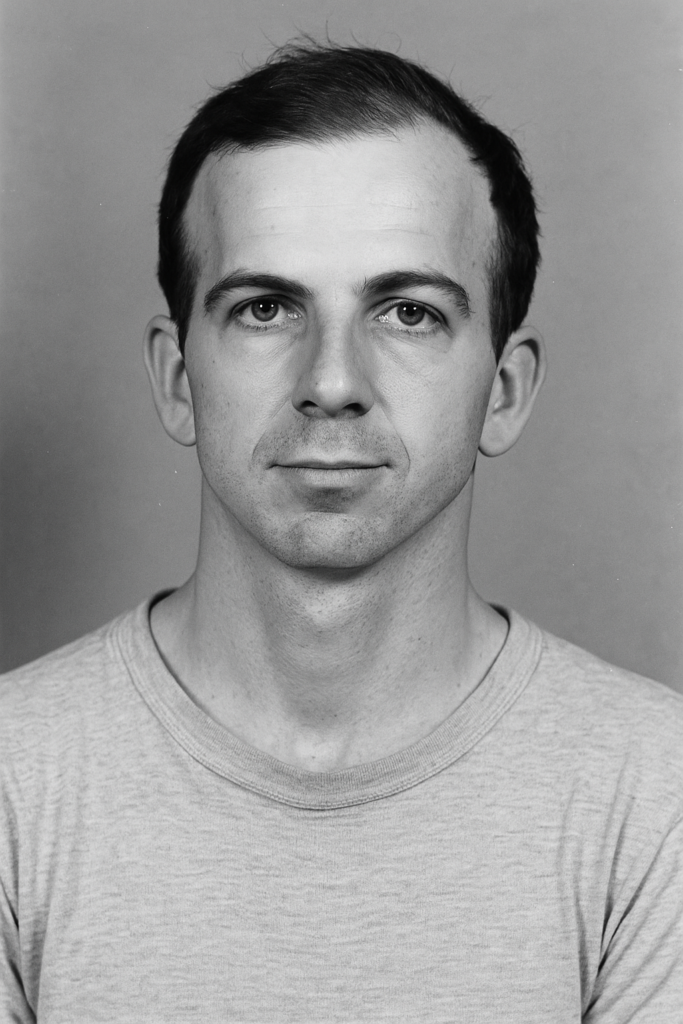
Despite the evidence, some found the case imperfect and full of unanswered questions.
The Killing of Oswald: A Second Shock
On November 24, 1963, while being transferred from the city jail to the county jail, Oswald was shot by Jack Ruby a Dallas nightclub owner with ties to the criminal underworld.
The shooting happened on live television. Millions watched in disbelief as Oswald collapsed.
Ruby claimed he acted out of grief and patriotism. Nevertheless, his actions fueled decades of conspiracy theories.
Oswald died shortly after at Parkland Hospital the same hospital where Kennedy had died two days earlier.
With the suspect dead, the nation was left with unanswered questions and growing suspicion.
The Warren Commission: The Official Government Report
In 1964, President Johnson established the Warren Commission to investigate the assassination. Led by Chief Justice Earl Warren, the commission interviewed over 550 witnesses and reviewed thousands of documents.
Key Findings
The Warren Report concluded:
- Lee Harvey Oswald acted alone.
- Three shots were fired.
- Two bullets struck Kennedy.
- No credible evidence of a domestic or foreign conspiracy existed.
The report also introduced the “single bullet theory,” arguing that one bullet caused injuries to both Kennedy and Connally.
At the time, many Americans accepted the findings. But as the years passed, doubts spread.
Later Investigations: The Possibility of a Conspiracy
In the 1970s, public pressure led to a new investigation: the House Select Committee on Assassinations (HSCA). This committee concluded in 1979 that:
- Oswald fired the shots that killed Kennedy.
- A second gunman was “likely” involved, based on acoustic evidence.
- The assassination was probably the result of a conspiracy.
The acoustic evidence was later challenged by independent scientists, but the HSCA’s conclusion remains the only U.S. government document suggesting a conspiracy.(Wikipedia)
Why Conspiracy Theories Persist
The JFK assassination is the most debated crime in modern history. Several factors explain why theories continue to multiply:
Unresolved Questions
The trajectory of the bullets, the speed of the shots, and inconsistencies in witness testimonies continue to raise doubts.
Oswald’s Murder
The killing of Oswald before trial seemed too convenient.
Distrust in Government
Events such as Watergate and the Vietnam War increased public skepticism toward official explanations.
The Mystery of Powerful Enemies
Kennedy clashed with organized crime, the CIA, anti-Castro Cuban groups, and Soviet interests all powerful enough to inspire theories of involvement.
The Zapruder Film
The graphic nature of the film makes people question whether one shooter could have caused the wounds.
Together, these elements created the perfect environment for endless speculation.
How Kennedy’s Death Changed America
Political Impact
Johnson inherited a nation in mourning. He used the moment to push forward major legislation, including:
- The Civil Rights Act of 1964
- The Voting Rights Act of 1965
- The Great Society programs
These became defining achievements of modern American policy.
The Vietnam War
Kennedy’s death left unanswered questions about his intentions in Vietnam. Under Johnson, U.S. involvement expanded dramatically, leading to a divisive and costly war.
Cultural Trauma
JFK’s assassination marked the end of America’s “post-war innocence.” The televised tragedy eroded trust in government and opened the door to a decade marked by violence, protests, and social upheaval.
Even now, Dealey Plaza remains a site of pilgrimage and reflection.
Lessons from November 22, 1963
The assassination of John F. Kennedy teaches us profound lessons:
- Leadership is fragile.
- Transparency builds trust.
- History deserves constant re-examination.
- Security protocols must evolve.
- Public memory shapes national identity.
More than sixty years later, the world still feels the shock of that day.
Frequently Asked Questions
1. When was President Kennedy assassinated?
JFK was assassinated on November 22, 1963, at approximately 12:30 p.m. in Dealey Plaza, Dallas, Texas.
2. Who killed John F. Kennedy?
The official conclusion is that Lee Harvey Oswald acted alone, firing three shots from the sixth floor of the Texas School Book Depository.
3. Why was Oswald killed before trial?
Jack Ruby, a local nightclub owner, shot Oswald during a televised transfer. Ruby claimed he acted out of grief, but his actions sparked decades of conspiracy theories.
4. Was there a second shooter?
The Warren Commission said “no,” but the House Select Committee in 1979 concluded a second gunman was “likely,” based on contested acoustic analysis.
5. What rifle did Oswald use?
Investigators identified the weapon as a Carcano Model 91/38 rifle, caliber 6.5mm.
6. How did Kennedy’s death change security protocols?
The Secret Service radically redesigned protection procedures, limiting open-top motorcades and expanding advance threat analysis. (nleomf.org)
7. Why do so many conspiracy theories exist?
Oswald’s death, government secrecy, Cold War tensions, and inconsistencies in evidence fueled skepticism that continues today.
8. What is Dealey Plaza today?
Dealey Plaza is now a historic landmark featuring the Sixth Floor Museum, dedicated to explaining the event and preserving JFK’s memory.
Essential Takeaways from This Historic Tragedy
The assassination of John F. Kennedy remains one of the most influential and emotionally charged events in American history. It transformed politics, national security, and public trust. It also created a lasting sense of mystery and loss.
Kennedy’s ideals courage, service, and hope continue to inspire millions. His death reminds us that history can change in an instant, and that national unity is never guaranteed but always needed.
🟦 Disclaimer
This article is for informational and educational purposes only. It summarizes historical events using publicly available sources, government reports, and reputable research. For in-depth study, consult official archives, academic publications, and verified historical documents.
You may also be interested in: Tom Cruise Stuns Fans With Dramatic New Look in First
🔔 For more tutorials like this, consider subscribing to our blog.
📩 Do you have questions or suggestions? Leave a comment or contact us!
🏷️ Tags: John F. Kennedy, JFK assassination, Dallas 1963, American history, Lee Harvey Oswald, Lyndon B. Johnson, Warren Commission, Cold War, political assassinations, Dealey Plaza
📢 Hashtags: #JFK, #JohnFKennedy, #Dallas1963, #USHistory, #ColdWar, #LeeHarveyOswald, #HistoryFacts, #PoliticalHistory, #AmericanPresidents, #HelpZoneBlog
