


⏲️ Estimated reading time: 16 min
Table of Contents
Police discovered a nightmare in Celebration, Florida. Anthony Todt murdered his wife, three children, and the family dog, then stayed in the house for weeks. Behind the façade of a successful therapist, debt and fraud collapsed into one of Florida’s most haunting cases.
A Crime Behind a Perfect Suburb
Celebration, Florida, looks like a postcard. Streets are tidy. Families stroll under palm trees. Disney World sits a short drive away. The town sells a story of comfort, safety, and cheerful order.
Yet, inside one neatly kept home, horror unfolded. Police found Anthony Todt living among the decomposing bodies of his wife, their three children, and the family dog. The discovery shocked neighbors, the state, and the country. It also shattered the myth that evil never hides in plain sight.
This post explores the crime, the man behind it, the months that led to the murders, and the long tail of grief that followed. You will learn how financial pressure, deception, and isolation combined into tragedy. You will also see how investigators pieced together the timeline and how the courts responded.
I write in clear language. I avoid sensationalism. I focus on facts, context, and lessons.
The Family Everyone Thought They Knew
The Todt family looked ordinary and warm. Anthony, often called Tony, worked as a physical therapist. He ran clinics in Connecticut and traveled to Florida where the family lived. His wife cared for the children. Neighbors saw them as polite, private, and friendly.
They lived in Celebration, a community designed to feel safe and ideal. The setting made the crime even harder to grasp. People asked, how could this happen here? The answer hides in what outsiders could not see.
Behind the smiles sat mounting debt. Investigators later exposed a web of unpaid bills, fraudulent insurance claims, and pressure from lenders. The public face and the private crisis moved in opposite directions. As the gap widened, risk increased.
The Hidden Collapse: Debt, Fraud, and Denial
For years, Todt built a reputation as a skilled clinician. Patients trusted him. Staff respected his energy. But business realities were less rosy. Revenue slipped. Expenses grew. Lawsuits appeared. Orlando rent was due. Connecticut overhead never paused.
Instead of seeking transparent help, Todt chose fraud. Authorities found evidence of billing schemes. Insurers raised red flags. Auditors escalated concerns. The family’s financial runway shrank with each month.
Debt is not a crime. Fraud is. But both can push people into extreme stress. Friends noticed that Todt seemed tired and distracted. He, however, maintained a calm surface, assuring everyone that things were fine. That mask hid the scale of danger.
The Final Weeks Inside the House
Investigators believe the murders occurred around December. For weeks, no one saw the family in public. Messages sent from their phones sounded wrong. School notifications piled up. Welfare checks began.
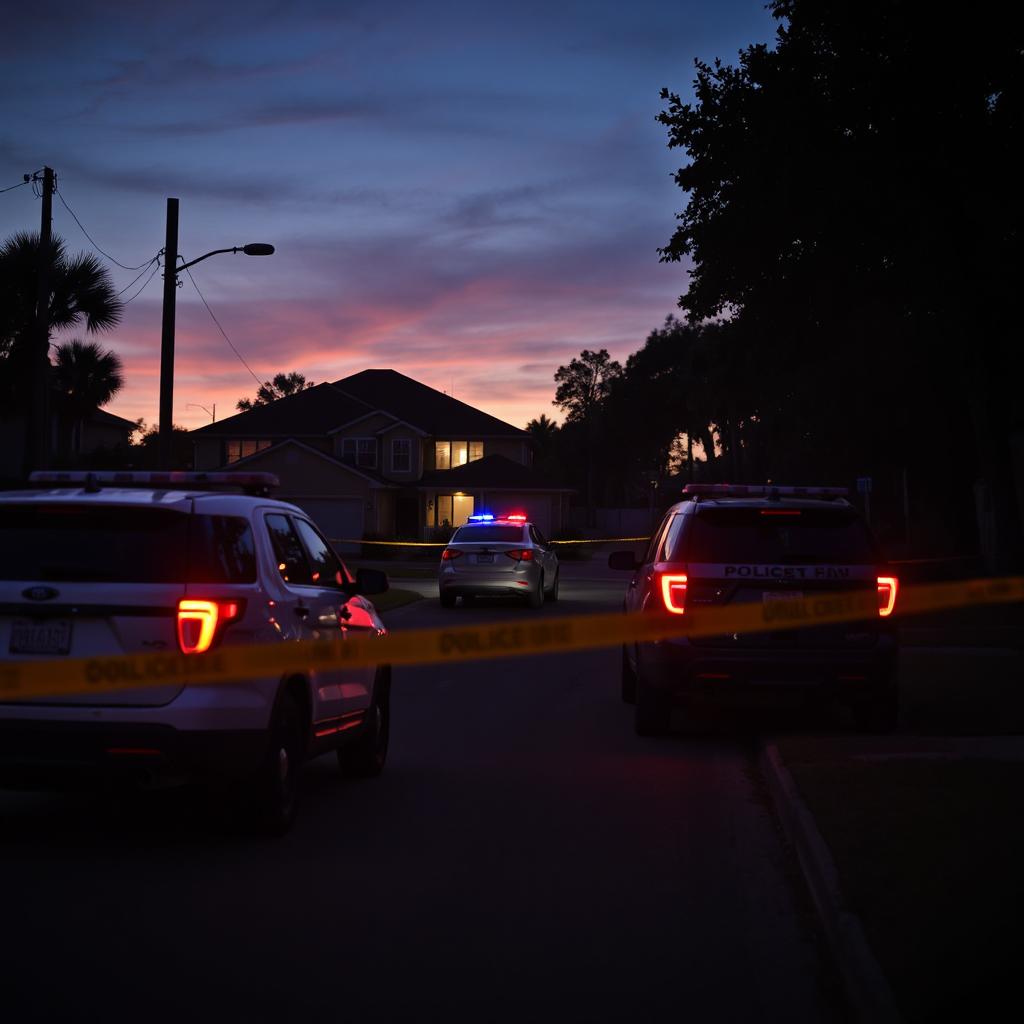
When deputies finally entered the home in January, they faced a scene no one forgets. Decomposition had advanced. The odor was overwhelming. The quiet living room and tidy kitchen did not match the nightmare hiding down the hallway.
Officers found the bodies of Todt’s wife and three children. The family dog lay dead as well. Todt remained in the home. He appeared weak, disoriented, and evasive. He did not explain the absence. He did not call for help. He simply stayed.
The discovery broke the spell of the perfect suburb. The façade crumbled. Celebration had to face grief that no neighborhood should bear.
The Arrest and the First Confession
Authorities detained Todt. During initial questioning, he gave a form of confession. He admitted the killings, then shifted stories. Later, he recanted. He blamed outside forces. He implied mercy motives. He suggested his wife took part. None of these claims matched the physical evidence.
Early confessions can be messy. Stress, fear, and strategy collide. Detectives still need facts. They still test each piece. They map times, phones, receipts, and forensic traces. Over weeks, the investigative picture strengthened while Todt’s stories fell apart.
Forensics That Spoke Louder Than Words
Science tells stories when people will not. Forensic teams documented the scene in careful steps. They analyzed toxicology, ligature marks, and signs of planning. They reconstructed approximate times of death. They matched substances found in the home with what turned up in the bodies.
Text logs, GPS pings, and purchase receipts added detail. Todt bought items linked to the crime window. He moved in and out of rooms while bodies remained nearby. He avoided banks and colleagues. He stayed offline as bills mounted.
The evidence pointed to a single conclusion. This was not a momentary snap. It was a series of decisions, made in sequence, with deliberate steps. The timeline showed intent.
A Double Life: Therapist and Fraudster
People asked how a healer becomes a killer. It is a heavy question. The answer is complex. Many people face debt. Many make mistakes. Almost none commit murder.
In this case, a double life emerged. Todt managed a caring public image. He spoke about family values, health, and responsibility. Meanwhile, his clinics faced audits. He forged signatures. He smoothed stories to staff. He took on new loans to pay old ones.
The split between image and reality grew. Living with two identities can crush the mind. Shame worsens isolation. Isolation feeds catastrophic thinking. Still, the leap from panic to murder remains rare. That leap is the darkest part of this story.
Psychological Threads: Control, Catastrophe, and Self-Justification
Psychologists studying family annihilators describe common threads. They often find grandiosity mixed with despair. They see a need for control when life feels unmanageable. They note a distorted belief: if I cannot protect my family from shame, I must end their pain.
We do not excuse. We explain.
Todt’s debts threatened prison and public ruin. The mask could fall at any time. In such minds, death can seem like a twisted exit ramp. The killer frames it as mercy. But mercy is not what happened here. The victims had their own futures. They had voices and dreams. Those were taken.
Self-justification adds poison. Todt shifted narratives to limit blame. He recanted. He hinted at shared responsibility. He tried to control the story after controlling life. The court saw through it.
The Trial: Evidence, Verdict, and Sentence
When the case reached court, prosecutors presented a tight narrative. They showed the scene. They shared the timeline. They quoted Todt’s early admissions. They compared those statements with forensic facts. Jurors heard about financial fraud as context for motive. They also heard about his weeks of silence while living beside the bodies.
The defense argued uncertainty. They questioned timing. They suggested outside factors. They tried to humanize a stressed father. But the cumulative weight of the evidence prevailed.
The verdict delivered multiple counts of murder. The sentence was life in prison. The judge spoke about the cruelty, the planning, and the breach of trust. The community exhaled. Justice, though imperfect, drew a line.
The House After the Horror
What happens to a home after such trauma? Crews sanitize. Realtors list properties with careful language. Buyers weigh price against stigma. Neighbors learn to pass by without a glance. Over time, grass grows again. Children ride bikes. New families move in.
But some places hold echoes. Celebration became a symbol that evil can live behind good landscaping. Residents formed tighter bonds. Schools reviewed welfare checks. Churches offered counseling. The town chose to remember the victims without letting the crime define them.
Media, Myths, and the Responsibility to Get It Right
Cases like this attract cameras and clicks. Headlines highlight the Disney angle. That detail amplifies shock. Yet, journalism has duties. It must protect dignity. It must avoid rumor. It must center victims.
Misinformation spreads fast. People repeat half-true claims about cults, prophecies, or conspiracies. Most do not survive basic fact checking. Responsible coverage focuses on documents, testimony, and science. This post follows that approach. The story is grim enough without decoration.
The Victims: Names, Lives, and the Right to Be Remembered
When we say “wife” and “children,” we risk abstraction. These were real people with real joys. They laughed at breakfast. They played games. They planned holidays. The dog followed them from room to room and curled at their feet.
Victims deserve more than a footnote in a killer’s biography. Communities honor them by speaking their names, supporting memorials, and refusing to let the murderer become the center of gravity. Grief groups remind us that memory softens when it turns toward love.
Warning Signs We Often Overlook
Hindsight looks sharp. Foresight rarely does. Still, patterns appear across similar cases. Financial manipulation. Sudden secrecy. Isolation from friends. Controlling behavior at home. A belief that reputation is everything. A refusal to seek help.
Friends and coworkers might notice small shifts. Families might see mood changes. Schools may flag repeated absences. Alone, each sign feels harmless. Together, they form a pattern worth addressing.
We should not live in fear. However, we should normalize asking hard questions. Are you okay? Do you need help with debt? Can we call a counselor? Direct conversations save lives.
Debt and Shame: Why People Hide Instead of Ask
Debt brings shame in our culture. People fear judgment. They think failure defines their worth. They hide bills in drawers and lie to spouses. Isolation grows. Options shrink.
But there are always options. Creditors want plans. Courts prefer restitution to disaster. Therapists treat shame like a wound, not a verdict. Faith communities and nonprofits offer support without stigma. The first step requires honesty.
If you face crushing debt, speak up. Call a counselor. Tell a trusted friend. Make a plan. Your life matters more than your balance sheet.
The Role of Health Professionals
Health professionals see stress early. Primary care doctors spot weight changes, insomnia, and anxiety. Physical therapists notice withdrawal. Dentists note grinding and jaw pain. Mental health workers hear catastrophic thoughts.
You may also be interested in: WPZone Neon Clock – Digital Clock for WordPress
Training helps clinicians ask better questions and make referrals. Privacy rules allow life-saving interventions when danger appears. Clinics can share lists of financial counselors and crisis lines. Small steps open doors.
In the Todt case, colleagues later said they saw fatigue and tension. But fatigue is common. No one expects murder. This is not their fault. We learn and improve systems anyway.
How Investigators Build Cases Without Eyewitnesses
Detectives rarely catch killers in the act. They build cases brick by brick. In this case, they used welfare checks, entry logs, and neighbor statements. They pulled phone records and activity from apps. They studied credit card use and store cameras. They coordinated with insurance investigators from earlier fraud probes.
Forensics did the rest. Toxicology revealed substances. Lividity and decomposition offered rough timing. Scene reconstruction showed movement patterns. Physical evidence contradicted the suspect’s shifting stories.
This methodical work ensures fairness. It limits the power of theatrics. Jurors see a mosaic, not a single shocking image.
Why Family Annihilation Shakes Us So Deeply
A home should protect. Parents should safeguard children. When a parent kills, the moral order feels broken. The story offends our deepest beliefs about love and duty. It also sparks fear. If this happened in a quiet Disney-adjacent town, where are we safe?
The answer is hard but steady. We stay safe by building communities where secrets struggle to survive. We talk about money without shame. We visit each other. We check on kids. We report concerns. Safety grows from connection.
Grief in the Aftermath: What Communities Can Do
After the verdict, grief remains. Schools need counselors. Teachers need support. Neighbors carry images they cannot unsee. Journalists move on, but locals do not.
Communities can host vigils, build benches, and create scholarships. They can also advocate for mental health funding and crisis lines. Religious leaders can preach about hope that does not ignore pain. Over time, remembrance transforms shock into compassion.
Lessons for Parents and Partners
Here are practical steps for families:
- Share finances openly. Create a simple monthly review. No secrets.
- Keep a list of debts and due dates in a shared folder.
- Normalize asking for help when stress spikes.
- Learn warning signs of coercive control and isolation.
- Save emergency numbers in your phone.
- Teach kids that secrets about safety must never be kept.
- Build a support network of neighbors, coaches, and relatives.
- Attend free financial literacy workshops.
- Use counseling early, not as a last resort.
- Take threats of self-harm or harm to others seriously. Call for help.
Simple habits do not guarantee safety, but they lower risk. They also build trust.
The Justice System’s Role and Limits
Courts punish and deter. They also acknowledge harm. In this case, life sentences reflect the severity of the crimes. Yet, justice does not restore lives. The system cannot repair the future that disappeared.
Still, trials teach the public. They create records. They rebuke lies. They warn others who might fantasize about control through violence. In that sense, accountability becomes part of prevention.
Ethics of True Crime Consumption
True crime fills podcasts and streams. The genre can inform, honor victims, and improve safety. It can also exploit pain for clicks. The line depends on choices.
As readers, we should ask: Does this story center victims? Does it avoid gratuitous detail? Does it respect families? Does it teach something useful?
This post aims to do that. It avoids gory detail. It highlights warning signs and help pathways. It focuses on truth, not thrill.
If You Are in Crisis or Fear
If you fear harm from a family member, act now. Go somewhere safe. Call emergency services. Reach a trusted friend. Seek a shelter or hotline. Financial shame does not justify violence. Love never requires silence.
If someone you love shows signs of collapse, ask direct questions. Offer to call with them. Sit beside them while they speak to a counselor. Presence can be the bridge from disaster to help.
A Community Reclaims Its Story
Celebration chose not to be defined by one house on one street. Residents gathered to mourn and to support each other. They reinstated routines. They remembered the victims with compassion. They kept parks open and lights bright.
Evil visited, but it did not win. Communities win when they double down on connection, transparency, and care.
Frequently Asked Questions (FAQ)
Why did this happen in such a safe community?
Violence can happen anywhere. Crime follows people, not zip codes. The public image of safety can even make denial easier when warning signs appear. Communities must stay connected and attentive.
Did financial problems cause the murders?
Debt alone does not cause murder. Many people carry debt and never harm anyone. In this case, debt and fraud created severe pressure. A distorted need for control and catastrophic thinking pushed the crime forward.
How long did Anthony Todt stay with the bodies?
Investigators concluded it was several weeks. During that time, he avoided normal routines and contact. Decomposition evidence supported the timeline.
Did he confess?
He initially provided admissions that resembled a confession. Later, he recanted and offered alternative stories. The forensic and digital evidence carried more weight than his shifting accounts.
What sentence did he receive?
The court imposed life in prison for the murders. The judge underscored the cruelty and planning involved.
Could this have been prevented?
Prevention is difficult to prove. However, open conversations about debt, earlier mental health support, and close community ties may reduce risk. Reporting concerns and conducting prompt welfare checks also help.
What can families do to protect themselves?
Share finances, watch for isolation, create safety plans, and normalize reach-outs for help. Teach children that safety outranks secrecy.
How should media cover such crimes?
With care. Report facts, center victims, avoid sensationalism, and provide resources. Ethical coverage educates without exploiting.
Why include the detail about Disney World?
Many reports note the proximity because it heightens contrast. Still, the detail should not distract from the victims or the facts.
What resources exist for people under financial stress?
Nonprofits, credit counselors, legal aid offices, and mental health providers can help. Banks often offer hardship plans. Asking early widens options.
Resources and Help Lines (General Guidance)
- Emergency: Call your local emergency number if danger is immediate.
- Mental Health Crisis: Contact a crisis hotline available in your region.
- Financial Counseling: Seek accredited nonprofit credit counselors.
- Domestic Violence Support: Reach out to shelters and hotlines for confidential help.
These resources vary by country. Please search by location for exact numbers.
Ethics Note
This article emphasizes respect for the victims and responsible reporting. It avoids graphic details and speculative claims. It aims to inform readers, support communities, and reduce harm.
What We Can Learn and Do Next
We can reduce tragedies by doing three things well.
First, normalize honesty about money. Families can face debt without shame. Shared budgets and open calendars keep crises from festering in secret.
Second, seek help early. Counseling, credit plans, and legal guidance create off-ramps. A single phone call can change a trajectory.
Third, stay connected. Neighbors who know each other notice absences. Teachers who feel supported make timely reports. Communities that talk prevent isolation.
These steps will not fix every risk. But they build a culture that rejects secrecy and control. They honor the lives we lost by protecting the lives still here.
Afterword: Holding Space for the Victims
We end by turning attention where it belongs on the lives taken. They deserved sunshine, school plays, and lazy Saturdays. They deserved birthday candles and old age. They deserved a future.
Keep their memory by living with integrity. Keep it by checking on a friend today. Keep it by refusing to let shame rule your life. That is how communities heal.
🔔 For more tutorials like this, consider subscribing to our blog.
📩 Do you have questions or suggestions? Leave a comment or contact us!
🏷️ Tags: Anthony Todt case, Celebration Florida murder, Disney World neighborhood crime, family annihilator, true crime analysis, forensic investigation, financial fraud and crime, court verdict life sentence, community healing after tragedy, warning signs of violence
📢 Hashtags: #AnthonyTodt #CelebrationFlorida #TrueCrime #FamilyAnnihilation #ForensicInvestigation #CourtVerdict #FraudAndDebt #CommunityHealing #CrimePrevention #VictimRemembrance
A Different Kind of Ending
Beyond the Headlines: Choosing Connection Over Secrecy
Headlines echo for days, then fade. Communities remain. We carry the duty to make the next tragedy less likely. Start small. Share a meal with a neighbor. Ask a colleague how they are then listen. Open your bills on the table, not in the dark. Teach your children that courage often looks like asking for help.
The Todt case tells a brutal truth: control, secrecy, and shame destroy. Connection, honesty, and help save. Choose the second path today.
