


⏲️ Estimated reading time: 7 min
Table of Contents
2Pac: Life Before and After Death – The Complete Story. Tupac Shakur, also known as 2Pac or Makaveli, lived a short but legendary life. This article explores his childhood, prison years, iconic albums, and the worldwide impact of his music before and after death, with a complete discography timeline.
Few figures in music history loom as large as Tupac Amaru Shakur, better known as 2Pac or Makaveli. He was not simply a rapper, but also a poet, revolutionary thinker, activist, and actor whose words captured the pain, hope, and resilience of marginalized communities. His music reflected the struggles of the streets while also offering deep reflections on love, politics, and survival.
Tupac’s story is filled with contradictions he was vulnerable yet strong, humble yet defiant, deeply empathetic yet surrounded by violence. His life was tragically cut short at the age of 25, but his impact has only grown in the decades since.
In this comprehensive article, we’ll journey through:
- His childhood and family roots.
- His rise in the hip-hop world.
- His prison sentence and how it shaped his artistry.
- His major albums before and after death.
- The East vs. West feud.
- His legacy and influence today.
Early Life and Family Roots
Read also: International Day for the Total Elimination of Nuclear Weapons 2026 (UN)
Tupac Shakur was born on June 16, 1971, in Harlem, New York. His name, Tupac Amaru, came from a Peruvian revolutionary who fought against Spanish colonization a sign of the revolutionary spirit that would later define him.
His mother, Afeni Shakur, was an active member of the Black Panther Party and even represented herself in court while pregnant with Tupac during a high-profile Panther 21 trial. His father, Billy Garland, was also a Panther but was absent for much of his childhood.
Growing up, Tupac faced poverty, instability, and constant movement. Yet, from a young age, he displayed a gift for words, writing poetry and performing in school plays. When the family moved to Baltimore, Tupac enrolled in the Baltimore School for the Arts, where he studied theater, poetry, and dance. Here, he formed a close bond with Jada Pinkett (later Jada Pinkett Smith), a relationship that remained important throughout his life.
Baltimore also sharpened Tupac’s social awareness. He saw firsthand the effects of poverty and systemic racism, themes that would dominate his music.
Tupac’s Musical Beginnings
In the late 1980s, Tupac relocated to Marin City, California, and began pursuing music seriously. His breakthrough came when he joined Digital Underground in 1990 as a dancer and backup rapper. His charisma quickly caught attention, and soon he began recording solo projects.
His debut album, 2Pacalypse Now (1991), shocked audiences with its raw depictions of police brutality, racism, and inner-city struggles. The album drew criticism from politicians like Dan Quayle but became a cult classic.
This was only the beginning of a meteoric rise.
Tupac’s Discography – Albums and Chart Success
Here is a chronological table of Tupac’s albums (solo & posthumous), with their release year, record label, and Billboard 200 chart peak:
| Year | Album Title | Label | Billboard 200 Peak | Cover Image Suggestion |
|---|---|---|---|---|
| 1991 | 2Pacalypse Now | Interscope | #64 | (Insert album cover) |
| 1993 | Strictly 4 My N.I.G.G.A.Z. | Interscope | #24 | (Insert album cover) |
| 1995 | Me Against the World | Interscope | #1 | (Insert album cover) |
| 1996 | All Eyez on Me | Death Row/Interscope | #1 | (Insert album cover) |
| 1996 | The Don Killuminati: The 7 Day Theory (as Makaveli) | Death Row/Interscope | #1 | (Insert album cover) |
| 1997 | R U Still Down? (Remember Me) | Amaru/Interscope | #2 | (Insert album cover) |
| 1999 | Still I Rise (with Outlawz) | Amaru/Interscope | #6 | (Insert album cover) |
| 2001 | Until the End of Time | Amaru/Interscope | #1 | (Insert album cover) |
| 2002 | Better Dayz | Amaru/Interscope | #5 | (Insert album cover) |
| 2004 | Loyal to the Game | Amaru/Interscope | #1 | (Insert album cover) |
| 2006 | Pac’s Life | Amaru/Interscope | #9 | (Insert album cover) |
This table illustrates how Tupac dominated charts both in life and death, with multiple posthumous #1 albums a rare phenomenon in music history.
Prison Years (1995–1996)
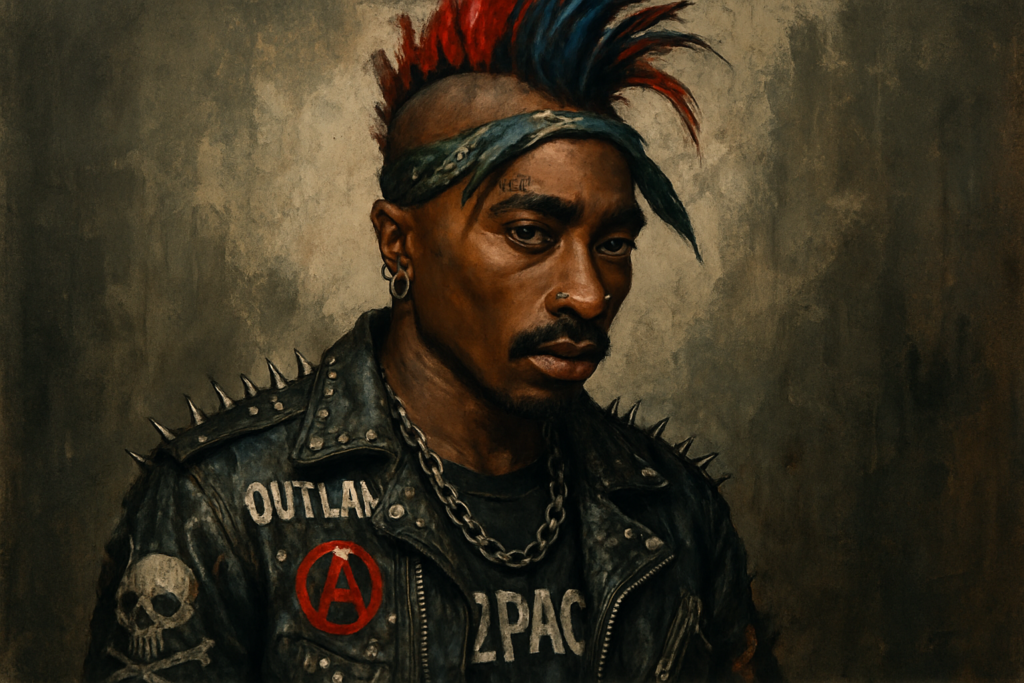
Tupac’s prison time was a turning point in his life. In 1995, he was sentenced to up to 4.5 years for sexual assault charges, although he always maintained his innocence. He was incarcerated at Clinton Correctional Facility in Dannemora, New York.
Life behind bars was isolating, but Tupac used the time to read, write, and reflect. He devoured works by Machiavelli, Sun Tzu, and Shakespeare, reshaping his worldview.
While in prison:
- He released Me Against the World, which topped the Billboard charts.
- He gave interviews describing his anger, vulnerability, and hope for change.
- His letters from prison revealed a softer, philosophical side.
His release in October 1995 was made possible by Suge Knight, CEO of Death Row Records, who posted his bail. This partnership would lead to Tupac’s most famous works.
The All Eyez on Me Era
Fresh out of prison, Tupac entered his most prolific phase. In 1996, he recorded All Eyez on Me, the first double album in hip-hop history.
- It featured classics like California Love, 2 of Amerikaz Most Wanted, and How Do U Want It.
- It sold over 10 million copies in the U.S. alone.
- It established Tupac as a global superstar.
This album represented freedom, ambition, and defiance. It was a celebration of life, but also a warning of the dangers Tupac faced daily.
The Makaveli Transformation
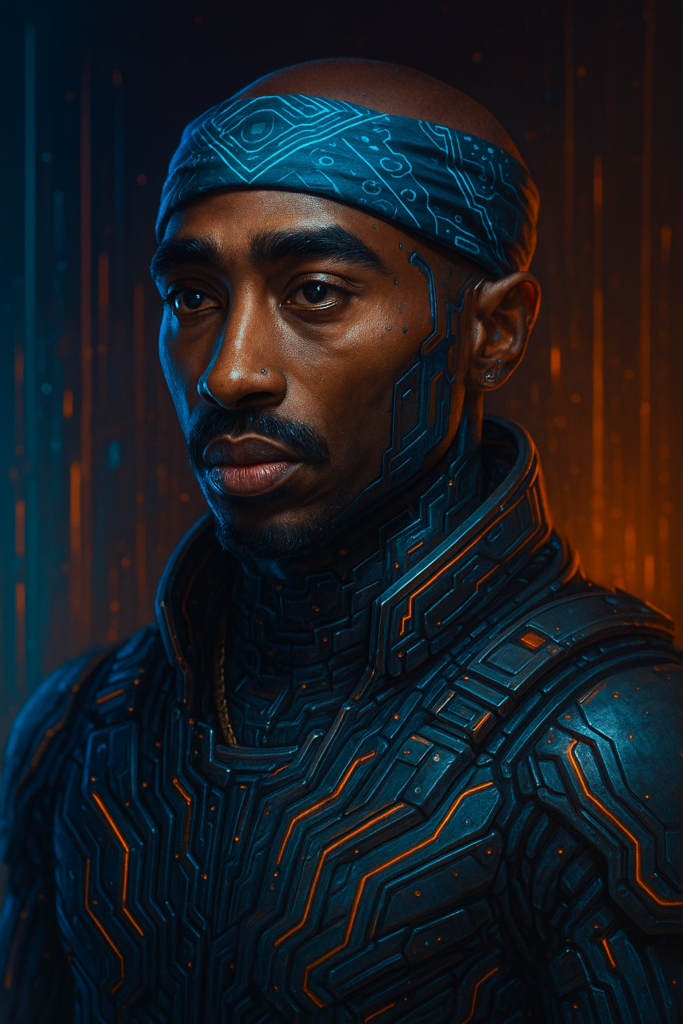
Later in 1996, Tupac adopted the stage name Makaveli, inspired by Niccolò Machiavelli, the Italian philosopher who wrote about power and deception.
He recorded The Don Killuminati: The 7 Day Theory in just one week, filled with darker, more prophetic tones. Songs like Hail Mary and Against All Odds reflected paranoia, betrayal, and foreboding death.
This album was released two months after his murder, fueling theories that Tupac predicted or even staged his death.
Tupac’s Death
On September 7, 1996, Tupac attended a Mike Tyson fight in Las Vegas. After a confrontation with a rival gang member, he was shot multiple times in a drive-by shooting.
He died on September 13, 1996, at just 25 years old.
His murder remains unsolved, though theories abound. Many point to the East Coast vs. West Coast feud, others to internal conflicts within Death Row, and some fans still believe Tupac faked his death to escape fame.
Posthumous Albums and Continued Success
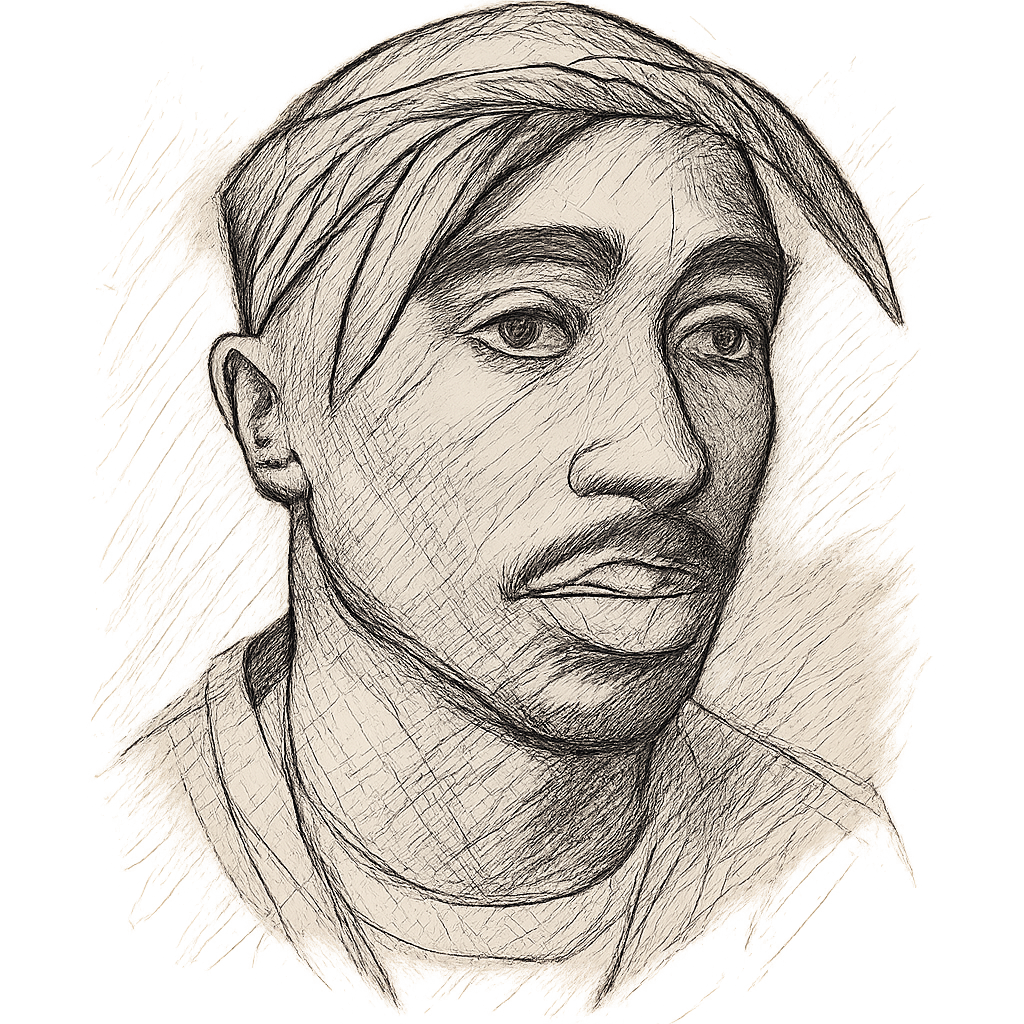
After death, Tupac became even larger than life. Albums released posthumously include:
- R U Still Down? (Remember Me) (1997) – double album of unreleased tracks.
- Still I Rise (1999) – with the Outlawz.
- Until the End of Time (2001) – one of the most successful posthumous hip-hop albums.
- Better Dayz (2002) – featuring gems from the vault.
- Loyal to the Game (2004) – produced by Eminem, modernized Tupac’s voice.
- Pac’s Life (2006) – commemorating his 10th death anniversary.
These albums sold millions worldwide, proving Tupac’s voice remained timeless.
Legacy and Cultural Impact
Tupac’s legacy extends beyond music:
- Cultural Icon: He embodied the struggle of Black America, becoming a voice of resistance.
- Political Influence: His lyrics discussed poverty, police brutality, and systemic racism.
- Musical Influence: Artists like Eminem, Kendrick Lamar, J. Cole, and 50 Cent cite Tupac as an inspiration.
- Pop Culture Presence: Documentaries, movies (All Eyez on Me 2017), and even a hologram performance at Coachella 2012 kept him alive in public consciousness.
Tupac’s Eternal Flame
Tupac Shakur’s life was short, but his story remains immortal. He was a rapper, actor, poet, revolutionary and ultimately a martyr of hip-hop. His transformation from a struggling kid in Harlem to a global icon shows the power of words, music, and spirit.
In life, he was controversial yet brilliant. In death, he became eternal. Tupac’s voice still echoes in protests, in rap lyrics, and in the hearts of millions who see him not just as a musician, but as a prophet of the streets.
🔔 For more tutorials like this, consider subscribing to our blog.
📩 Do you have questions or suggestions? Leave a comment or contact us!
🏷️ Tags: Tupac Shakur, 2Pac, Makaveli, hip hop albums, Death Row Records, All Eyez on Me, Me Against the World, East Coast vs West Coast, rap legend, music history
📢 Hashtags: #Tupac, #2Pac, #Makaveli, #HipHop, #RapLegend, #DeathRow, #AllEyezOnMe, #MeAgainstTheWorld, #RapHistory, #WestCoast
